


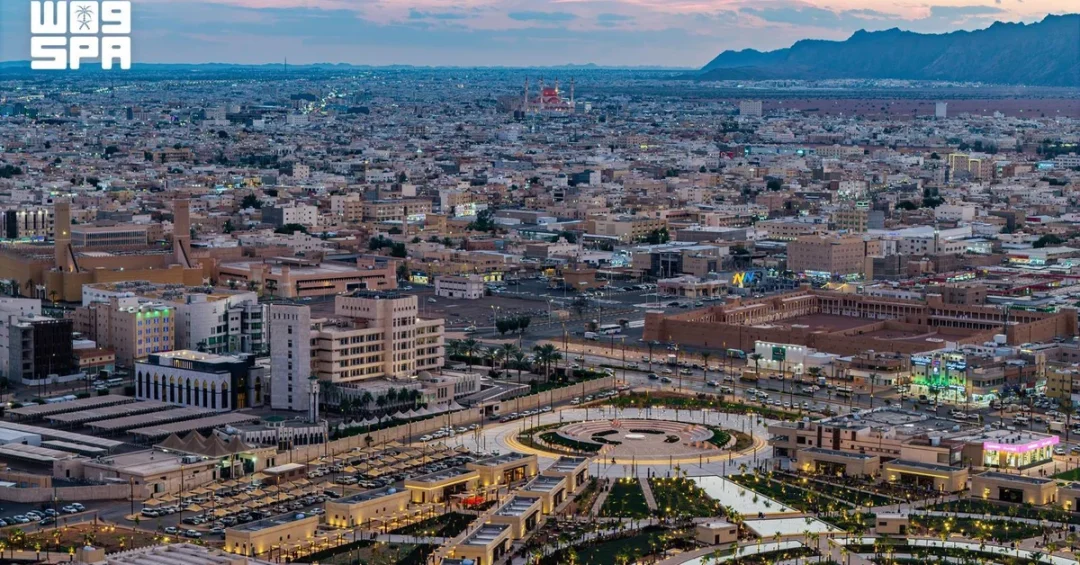
Hail Region, long recognized as Saudi Arabia’s breadbasket, stands at the intersection of agricultural excellence, UNESCO-listed heritage, and a rapidly modernizing urban landscape, according to information released via the Saudi Press Agency (SPA). The region’s potato and wheat production, its two UNESCO World Heritage sites, and its central district’s extensive pedestrian and cycling infrastructure illustrate a comprehensive approach to development that aligns with the goals of Saudi Vision 2030. As the Kingdom continues to diversify its economy and enhance quality of life for citizens and residents, Hail offers a compelling model of how agriculture, culture, and urban planning can reinforce one another.
Have you ever considered how a region can honor its ancient past while building a dynamic future? Hail demonstrates that such a balance is not only possible but can serve as a catalyst for sustainable growth. The region’s achievements in food security, heritage preservation, and livable city design reflect the broader national ambition to create thriving communities across Saudi Arabia. This article examines the key developments in Hail, their significance for the Kingdom and the wider region, and how they contribute to the Vision 2030 objective of a diversified, knowledge-based economy.
Context and Background
Why has Hail become such a focal point for Saudi Arabia’s agricultural and cultural strategies? Located in the north-central part of the Kingdom, Hail Region has historically been known for its fertile soil and favorable climate, earning it the nickname “Saudi Arabia’s breadbasket.” According to the Saudi Press Agency, the region is one of the country’s leading agricultural areas, with initiatives and events that promote local production and sustainable farming underscoring its role in national food security. The region is particularly renowned for its potatoes and wheat, and its potato processing plants now supply importers in several countries, contributing to Saudi Arabia’s non-oil export base.
Beyond agriculture, Hail holds a distinguished place in world heritage. Two sites in the region share a UNESCO World Heritage listing: one at Jabal Umm Sinman in the city of Jubbah, and the other encompassing Jabal Raat and Jabal al-Manjor in Al-Hait Governorate. These rock art sites, which feature ancient inscriptions and petroglyphs, offer a window into the region’s deep historical roots and have spurred activities that support and complement local tourism. The listing has not only raised Hail’s international profile but also encouraged investment in tourism infrastructure and cultural programming, in line with Vision 2030’s focus on enriching the visitor experience and diversifying revenue streams.
The region’s central district further exemplifies its forward-looking approach. As the only one of its kind in the Kingdom, it features 12 kilometers of walking paths, 6 kilometers of cycling paths, and more than 30,000 square meters of green space. These amenities are designed to make public spaces more inviting and to promote active, healthy lifestyles, reflecting the Quality of Life Program, a key Vision 2030 initiative. Together, these elements paint a picture of a region that is leveraging its natural and cultural assets to build a resilient and attractive community.
Agricultural Strength and Food Security
How does Hail’s agricultural output contribute to Saudi Arabia’s national food security? The region’s potato and wheat production is not only a source of local pride but also a strategic asset. The Kingdom has long sought to enhance self-sufficiency in key food staples, and Hail’s fertile lands and modern farming practices have made it a cornerstone of those efforts. The presence of potato processing plants that export to several countries demonstrates the region’s capacity to add value to raw agricultural products, thereby supporting economic diversification and job creation.
Sustainable farming initiatives in Hail are aligned with the National Agriculture Strategy, which aims to optimize water usage, improve crop yields, and integrate advanced technologies. These efforts are particularly important in a country where water scarcity is a significant challenge. By adopting precision irrigation and other smart farming techniques, Hail’s farmers are setting an example for the rest of the Kingdom. Moreover, events that promote local production serve to connect producers with markets and consumers, fostering a vibrant agricultural ecosystem.
The success of Hail’s agricultural sector also has implications for rural development. By creating opportunities in farming and related industries, the region helps to stem rural-to-urban migration and supports the Vision 2030 goal of balanced regional development. As the Kingdom continues to invest in infrastructure and technology, Hail is well-positioned to remain a leader in agribusiness and to contribute to the nation’s food security objectives.
Heritage Preservation and Tourism
What makes Hail’s UNESCO World Heritage sites so significant for both Saudi Arabia and the global community? The rock art of Jabal Umm Sinman, Jabal Raat, and Jabal al-Manjor provides invaluable insights into the prehistoric cultures that inhabited the Arabian Peninsula. These sites are part of the “Rock Art of the Hail Region” property, inscribed on the UNESCO World Heritage List in 2015. The inscriptions include depictions of animals, human figures, and symbols that date back thousands of years, offering evidence of early human creativity and adaptation to the desert environment.
The World Heritage listing has catalyzed a range of activities to support and complement local tourism. These include the development of visitor centers, guided tours, and cultural festivals that showcase the region’s heritage alongside its contemporary achievements. Such initiatives not only attract international tourists but also instill a sense of pride among residents and encourage the preservation of traditional crafts and customs. The integration of heritage into the tourism offer is a key pillar of Vision 2030, which seeks to increase the contribution of tourism to the GDP and to create new opportunities for Saudi citizens.
Furthermore, the attention brought by UNESCO recognition has spurred efforts to document and conserve other archaeological sites in the region. This comprehensive approach ensures that Hail’s cultural legacy is protected for future generations while being made accessible to visitors in a sustainable manner. By balancing preservation with promotion, Hail sets a benchmark for heritage management in the Kingdom.
Urban Development and Quality of Life
How is Hail’s central district redefining urban living in Saudi Arabia? The district, described as the only one of its kind in the Kingdom, boasts an impressive array of public amenities: 12 kilometers of walking paths, 6 kilometers of cycling paths, and over 30,000 square meters of green space. These features are designed to encourage outdoor activity, reduce reliance on cars, and foster social interaction. They reflect a growing emphasis on human-centric urban design that prioritizes health, well-being, and environmental sustainability.
The development of such infrastructure is closely tied to the Quality of Life Program, one of the Vision 2030 realization programs. The program aims to improve the livability of Saudi cities, enhance the availability of cultural and recreational opportunities, and promote community engagement. Hail’s central district serves as a tangible example of these goals in action. By creating inviting public spaces, the region is attracting residents and visitors alike, and setting a standard for other cities to follow.
In addition to recreational benefits, these urban improvements have economic implications. They can boost local businesses, increase property values, and attract investment in retail and hospitality. They also contribute to environmental sustainability by reducing heat islands and improving air quality. As Saudi Arabia continues to urbanize, the lessons from Hail’s central district will be invaluable for planners and policymakers across the Kingdom.
International and Regional Impact
What does Hail’s multifaceted development mean for Saudi Arabia’s standing in the region and beyond? The region’s agricultural exports, particularly potatoes, have already made inroads into international markets, enhancing the Kingdom’s reputation as a reliable supplier of high-quality food products. This not only generates revenue but also strengthens diplomatic and trade ties with importing countries. In a world where food security is a growing concern, Hail’s contribution to global supply chains is noteworthy.
On the cultural front, the UNESCO World Heritage sites draw visitors from around the world, positioning Saudi Arabia as a destination for heritage tourism. This aligns with the broader Vision 2030 goal of attracting 100 million visitors annually by 2030. The positive image generated by such cultural diplomacy can help to foster greater understanding and cooperation between Saudi Arabia and other nations. Regionally, Hail’s achievements serve as an inspiration for neighboring countries seeking to balance development with heritage conservation.
Moreover, the region’s urban innovations could be replicated in other parts of the Middle East and North Africa, where rapid urbanization poses challenges. By sharing best practices, Saudi Arabia can assert its leadership in sustainable development and smart city design. Thus, Hail’s story resonates far beyond its borders.
Economic and Strategic Significance
Why is Hail’s integrated development model economically and strategically important for Saudi Arabia? The region’s agricultural sector contributes to the national economy by reducing import dependence and generating export earnings. The potato processing plants, for instance, add value to local produce and create jobs in manufacturing, logistics, and marketing. This is precisely the kind of economic diversification that Vision 2030 champions.
Strategically, Hail’s focus on food security is vital for a nation that imports a significant portion of its food. By boosting local production, the Kingdom can mitigate the risks associated with global supply chain disruptions. Additionally, the region’s heritage and tourism assets provide alternative revenue streams that are less susceptible to oil price fluctuations. The urban development projects, meanwhile, improve the quality of life for citizens, which is essential for social stability and productivity.
From a strategic planning perspective, Hail exemplifies how different sectors—agriculture, culture, and urban planning—can be woven together to create a cohesive regional development strategy. This holistic approach is at the heart of Vision 2030, which seeks to transform Saudi Arabia into a diversified, innovation-driven economy. Hail’s progress is therefore a bellwether for the Kingdom’s broader transformation.
Vision 2030 Alignment
How does Hail’s trajectory align with the overarching goals of Saudi Vision 2030? The region’s advancements in agriculture, heritage, and urban development directly support several Vision 2030 themes: a vibrant society, a thriving economy, and an ambitious nation. The Quality of Life Program is evident in the central district’s green spaces and paths, which encourage healthy lifestyles and community cohesion. The National Transformation Program is reflected in the modernization of agricultural practices and the emphasis on food security.
Furthermore, the promotion of tourism through heritage sites contributes to the goal of increasing the tourism sector’s contribution to GDP from 3% to 10% by 2030. The economic diversification efforts in Hail, including agribusiness and manufacturing, help to reduce reliance on oil. And the region’s success in creating livable cities supports the objective of having three Saudi cities ranked among the top 100 most livable cities in the world. As Hail continues to develop, it will remain a showcase for the Vision 2030 promise of a prosperous and forward-looking Saudi Arabia.
In conclusion, Hail Region’s story is one of synergy—where the past and present converge to build a future of opportunity and sustainability. Through its agricultural prowess, its UNESCO World Heritage sites, and its innovative urban design, Hail is not only enhancing the lives of its residents but also contributing to the Kingdom’s global standing. As Saudi Arabia marches toward 2030, Hail stands as a shining example of what can be achieved when tradition and modernity are thoughtfully integrated.
20 Questions
Q1. What is Hail Region known for in Saudi Arabia?
A1. Hail Region is known as Saudi Arabia’s breadbasket, recognized for its leading agricultural production, particularly potatoes and wheat, as well as its two UNESCO World Heritage sites featuring ancient rock art.
Q2. Where are the UNESCO World Heritage sites in Hail located?
A2. The sites are at Jabal Umm Sinman in Jubbah city and at Jabal Raat and Jabal al-Manjor in Al-Hait Governorate, together forming the Rock Art of the Hail Region property.
Q3. What crops is Hail famous for producing?
A3. Hail is especially famous for its potatoes and wheat, which are staple crops that contribute significantly to Saudi Arabia’s food security and agricultural exports.
Q4. How do Hail’s potato processing plants contribute to the economy?
A4. The processing plants add value to local potatoes and supply importers in several countries, generating export revenue and creating jobs in manufacturing and logistics.
Q5. What amenities does Hail’s central district offer?
A5. The central district features 12 kilometers of walking paths, 6 kilometers of cycling paths, and over 30,000 square meters of green space, promoting active lifestyles and community well-being.
Q6. How does Hail’s central district differ from others in the Kingdom?
A6. It is the only district of its kind in Saudi Arabia, designed with extensive pedestrian and cycling infrastructure and green spaces to enhance livability and social interaction.
Q7. What is the significance of the rock art in Hail?
A7. The rock art provides valuable insights into prehistoric cultures of the Arabian Peninsula, with inscriptions dating back thousands of years, and was inscribed on the UNESCO World Heritage List in 2015.
Q8. How has the UNESCO listing affected tourism in Hail?
A8. The listing has spurred activities that support and complement local tourism, including visitor centers, guided tours, and cultural festivals, attracting international visitors and boosting the local economy.
Q9. What role does agriculture play in Saudi Vision 2030?
A9. Agriculture supports Vision 2030 by enhancing food security, diversifying the economy, and creating jobs, with Hail serving as a key contributor to these national goals.
Q10. How does Hail’s development align with the Quality of Life Program?
A10. Hail’s central district with its walking paths, cycling paths, and green spaces directly supports the Quality of Life Program’s objectives of improving urban livability and promoting healthy lifestyles.
Q11. What sustainable farming practices are used in Hail?
A11. Hail’s farmers adopt precision irrigation and smart farming techniques to optimize water usage and improve crop yields, addressing water scarcity challenges in the Kingdom.
Q12. How does Hail contribute to Saudi Arabia’s food security?
A12. By producing substantial quantities of potatoes and wheat and processing them locally, Hail reduces the Kingdom’s reliance on food imports and strengthens national food security.
Q13. What economic benefits does heritage tourism bring to Hail?
A13. Heritage tourism creates jobs, supports local businesses, and generates revenue, while also promoting cultural preservation and enhancing Saudi Arabia’s international image.
Q14. How is Hail’s urban development environmentally sustainable?
A14. The green spaces and pedestrian-friendly infrastructure reduce heat islands, improve air quality, and encourage non-motorized transport, contributing to environmental sustainability.
Q15. What international markets do Hail’s agricultural products reach?
A15. Hail’s potato processing plants supply importers in several countries, though specific markets vary; these exports showcase the region’s high-quality produce and reliable supply chains.
Q16. How does Hail’s development support rural communities?
A16. By creating agricultural and related jobs, Hail helps stem rural-to-urban migration and supports balanced regional development, a key Vision 2030 objective.
Q17. What is the significance of Jabal Umm Sinman?
A17. Jabal Umm Sinman in Jubbah is one of the two UNESCO World Heritage sites in Hail, renowned for its ancient rock art that provides evidence of early human habitation in the region.
Q18. How does Hail’s model inspire other regions in Saudi Arabia?
A18. Hail’s integrated approach to agriculture, heritage, and urban planning serves as a replicable model for other regions, demonstrating how to balance tradition with modernization in line with Vision 2030.
Q19. What role do cultural festivals play in Hail’s tourism strategy?
A19. Cultural festivals showcase Hail’s heritage alongside contemporary achievements, attracting tourists, fostering local pride, and encouraging the preservation of traditional crafts and customs.
Q20. What does the future hold for Hail Region?
A20. Hail is poised to continue its trajectory of sustainable growth, with ongoing investments in agriculture, heritage tourism, and urban infrastructure expected to enhance its contribution to Saudi Vision 2030.
Reader Feedback
We value your thoughts. Please share your feedback on this article.
Your feedback helps us improve our coverage.
Related articles
 Al-Khudeir Season Revives Jazan’s Sorghum Harvest and Markets
 Misk Art Institute Announces Partners for Misk Art Week 2026
 Uyun Al-Jiwa Heritage Festival Opens in Qassim Region
 Falcon Trainer Outlines Preparation Stages for Milwah Race at King Abdulaziz Falconry Festival
 AlUla Languages Institute Marks Five Years of Language and Heritage Learning
 Performing Arts Program Draws Strong Turnout in Dammam