


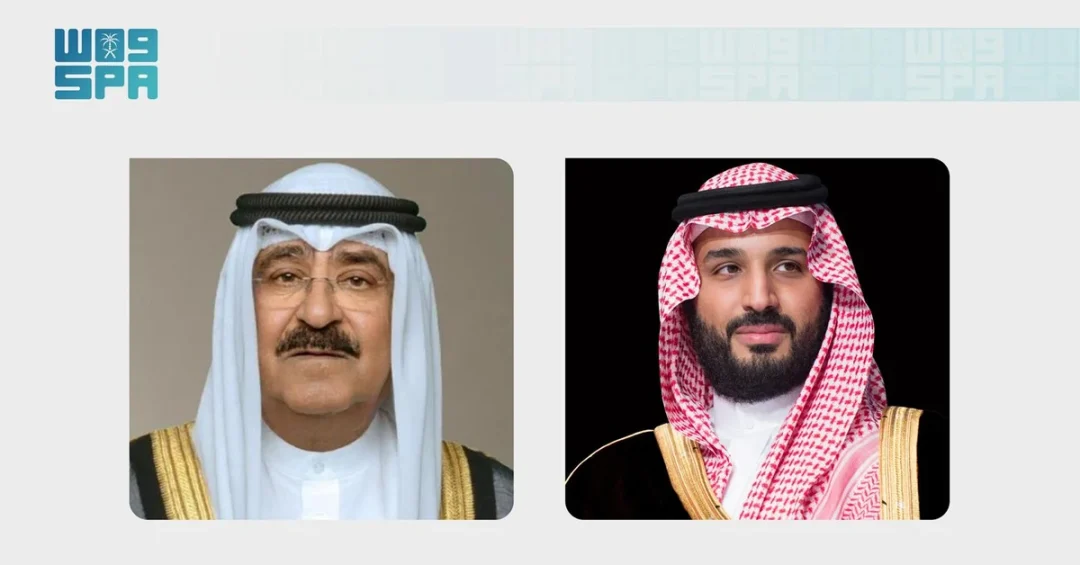
His Royal Highness Prince Mohammed bin Salman bin Abdulaziz Al Saud, Crown Prince and Prime Minister of the Kingdom of Saudi Arabia, held a phone call on November 23, 2026, with Sheikh Meshal Al-Ahmad Al-Jaber Al-Sabah, Amir of the State of Kuwait, during which he inquired about the Amir’s health and conveyed the greetings of Custodian of the Two Holy Mosques King Salman bin Abdulaziz Al Saud. The official Saudi Press Agency reported that the Crown Prince wished the Amir continued health and well-being, underscoring the deep fraternal ties between the two neighboring nations. This gesture of concern reflects the enduring bond that has long defined Saudi-Kuwaiti relations, rooted in shared history, mutual respect, and a common vision for regional stability and prosperity.
The phone call comes amid a period of heightened regional diplomacy and economic transformation in the Gulf, where Saudi Arabia and Kuwait continue to strengthen their strategic partnership across multiple sectors. How does such a simple yet profound act of checking on a leader’s health resonate beyond the immediate exchange? It signals the depth of personal relationships among Gulf leaders, which often translate into robust bilateral cooperation. The exchange also highlights the role of the Custodian of the Two Holy Mosques as a unifying figure in the Islamic world and the Arab region, extending goodwill to neighboring states.
Context and Background
What makes this phone call more than a routine diplomatic courtesy? Saudi-Kuwaiti relations are built on a foundation of shared geography, kinship, and common interests that date back to the early twentieth century. The two countries share a border, a rich cultural heritage, and a commitment to the stability of the Gulf region. Over the decades, their leaders have maintained regular consultations on matters of mutual concern, from oil policy to regional security. The Amir of Kuwait, Sheikh Meshal Al-Ahmad Al-Jaber Al-Sabah, assumed his role in December 2023, following the passing of his predecessor, and has since continued Kuwait’s tradition of balanced diplomacy and close ties with Saudi Arabia.
The Custodian of the Two Holy Mosques, King Salman bin Abdulaziz Al Saud, has a long history of fostering close relationships with Kuwaiti leadership. His greetings, conveyed by the Crown Prince, reflect the respect and affection that characterize these ties. The Crown Prince’s inquiry about the Amir’s health is consistent with the Islamic tradition of visiting the sick and checking on the well-being of others, a value deeply embedded in Saudi society. This personal touch adds a layer of sincerity to diplomatic interactions, reinforcing the notion that Saudi-Kuwaiti relations are not merely transactional but truly fraternal.
In recent years, Saudi Arabia and Kuwait have collaborated on numerous initiatives, including the development of the Durra gas field, joint infrastructure projects, and coordination within the Gulf Cooperation Council (GCC) and OPEC. These efforts are part of a broader regional strategy to diversify economies and enhance energy security. The phone call, therefore, is a small but meaningful reminder of the continuous high-level communication that underpins these collaborations. It also comes at a time when the region faces various challenges, making such expressions of solidarity all the more significant.
Key Details
What exactly was discussed during the call? According to the Saudi Press Agency, HRH the Crown Prince conveyed the greetings of King Salman to the Amir and wished him continued good health. The Amir expressed his gratitude to the Custodian of the Two Holy Mosques and the Crown Prince for their kind fraternal sentiments. The call was brief but carried substantial symbolic weight. It reaffirmed the strong personal rapport between the two leaders and their commitment to maintaining open lines of communication.
The timing of the call, on November 23, 2026, is noteworthy as it follows a series of high-level engagements between Saudi and Kuwaiti officials. Just weeks earlier, delegations from both countries met to discuss economic cooperation and investment opportunities. The Crown Prince’s gesture is thus part of an ongoing dialogue that spans political, economic, and cultural domains. It also highlights the Crown Prince’s active role in foreign policy, as he continues to engage with regional leaders on matters of mutual interest while also driving Saudi Arabia’s domestic transformation under Vision 2030.
Sheikh Meshal Al-Ahmad Al-Jaber Al-Sabah has been a steady hand in Kuwaiti politics, known for his experience in security and administrative affairs. His response to the Crown Prince’s greetings was warm and appreciative, reflecting the mutual respect that defines the relationship. The exchange is a testament to the diplomatic etiquette that prevails among Gulf leaders, where personal health inquiries are a standard yet meaningful part of official communications. Such gestures help maintain trust and goodwill, which are essential for effective cooperation on complex regional issues.
International and Regional Impact
How does this phone call fit into the broader regional landscape? The Gulf region is undergoing significant geopolitical shifts, with efforts to resolve conflicts, diversify economies, and strengthen alliances. Saudi Arabia, under the leadership of King Salman and Crown Prince Mohammed bin Salman, has been at the forefront of these efforts, promoting peace and stability through dialogue. Kuwait, with its long-standing tradition of mediation and neutrality, plays a complementary role. The close coordination between Riyadh and Kuwait City is crucial for addressing challenges such as Yemen, Iraq, and the broader Middle East peace process.
Moreover, the call underscores the importance of the Gulf Cooperation Council as a platform for collective action. Both Saudi Arabia and Kuwait are founding members of the GCC, which has served as a cornerstone of regional security and economic integration for over four decades. By maintaining strong bilateral ties, the two nations contribute to the cohesion of the GCC and enhance its ability to tackle shared challenges. The phone call also sends a positive signal to other regional and international actors about the unity and stability of the Gulf, which is vital for global energy markets and trade routes.
Economic and Strategic Significance
What economic and strategic interests are at stake? Saudi Arabia and Kuwait are major oil producers, and their cooperation within OPEC+ has been instrumental in stabilizing global oil markets. The two countries also share the Durra gas field, a vital resource that could significantly boost their energy output. In addition, Kuwait is a key investor in Saudi Arabia, particularly in the real estate and financial sectors, and both nations are working to attract foreign direct investment as part of their economic diversification plans. The Crown Prince’s phone call, while focused on health, indirectly reinforces the personal trust that facilitates these economic partnerships.
Strategically, the stability of the Saudi-Kuwaiti relationship is essential for the security of the northern Gulf. The two countries share a border that has been peaceful for decades, and they cooperate on defense and counterterrorism. Saudi Arabia’s Vision 2030 includes ambitious goals for economic growth and social development, and Kuwait’s support, both politically and economically, can help realize these objectives. The phone call is a small but integral part of the continuous diplomatic engagement that sustains this strategic alignment.
Vision 2030 Alignment
How does this gesture align with Saudi Arabia’s Vision 2030? Vision 2030 is not only about economic transformation but also about strengthening Saudi Arabia’s regional and global partnerships. The Crown Prince’s call to the Amir of Kuwait exemplifies the Kingdom’s commitment to maintaining strong ties with its neighbors, which is a key pillar of its foreign policy. By nurturing these relationships, Saudi Arabia creates a stable and supportive environment for its domestic reforms, including the development of new industries, tourism, and entertainment. The personal rapport between leaders can pave the way for joint ventures and collaborative projects that contribute to the vision’s goals.
Furthermore, the call reflects the values of compassion and respect that are central to Saudi culture and Islamic teachings. In a world where diplomacy often focuses on hard power, such gestures of human concern remind us of the importance of soft power and personal connections. As Saudi Arabia continues its journey toward a diversified and dynamic economy, its relationships with neighboring countries like Kuwait will remain indispensable. The Crown Prince’s inquiry about the Amir’s health is a small yet meaningful reminder that behind every policy and agreement, there are human bonds that foster trust and cooperation. This is the essence of Saudi Arabia’s approach to international relations, and it will continue to guide the Kingdom as it builds a prosperous future for its people and the region.
20 Questions
Q1. Who initiated the phone call between Saudi Arabia and Kuwait?
A1. The phone call was initiated by His Royal Highness Prince Mohammed bin Salman bin Abdulaziz Al Saud, Crown Prince and Prime Minister of Saudi Arabia, to Sheikh Meshal Al-Ahmad Al-Jaber Al-Sabah, Amir of Kuwait, according to the Saudi Press Agency.
Q2. What was the main purpose of the call?
A2. The main purpose was for the Crown Prince to inquire about the Amir’s health and to convey the greetings of Custodian of the Two Holy Mosques King Salman bin Abdulaziz Al Saud, wishing the Amir continued good health.
Q3. When did this phone call take place?
A3. The phone call took place on November 23, 2026, as reported by the Saudi Press Agency, which released the news at 18:23 local time (15:23 GMT).
Q4. What did the Amir of Kuwait express in response?
A4. The Amir expressed his gratitude to the Custodian of the Two Holy Mosques and the Crown Prince for their kind fraternal sentiments, reflecting the warm and respectful nature of Saudi-Kuwaiti relations.
Q5. How does this call reflect Saudi-Kuwaiti relations?
A5. The call reflects the deep fraternal ties and continuous high-level communication between the two nations, underscoring their shared commitment to regional stability and mutual respect.
Q6. What is the significance of the Custodian of the Two Holy Mosques conveying greetings?
A6. The greetings from King Salman highlight his role as a unifying figure and the respect he commands, reinforcing the personal and diplomatic bonds between Saudi and Kuwaiti leadership.
Q7. Who is Sheikh Meshal Al-Ahmad Al-Jaber Al-Sabah?
A7. Sheikh Meshal Al-Ahmad Al-Jaber Al-Sabah is the Amir of the State of Kuwait, who assumed leadership in December 2023, and is known for his experience in security and administrative affairs.
Q8. What are the key areas of cooperation between Saudi Arabia and Kuwait?
A8. Key areas include energy, particularly oil and gas, economic investment, security, and regional diplomacy within the Gulf Cooperation Council (GCC) and OPEC+.
Q9. How does this call align with Saudi Vision 2030?
A9. It aligns with Vision 2030 by strengthening regional partnerships and fostering a stable environment for economic diversification and social reforms, which are central to the vision’s goals.
Q10. What is the Durra gas field and its relevance?
A10. The Durra gas field is a shared natural gas resource between Saudi Arabia and Kuwait, and its development is a key economic collaboration that can boost energy output and bilateral ties.
Q11. How does this call impact regional stability?
A11. It reinforces the unity and coordination between two major Gulf states, contributing to the overall stability and security of the region, which is vital for global energy markets.
Q12. What role does the Gulf Cooperation Council play in Saudi-Kuwaiti relations?
A12. The GCC serves as a platform for collective action and economic integration, and both nations are founding members, using it to address shared challenges and promote regional cooperation.
Q13. What message does this call send to the international community?
A13. It signals the strength and continuity of Saudi-Kuwaiti relations, showcasing the Gulf’s stability and the importance of diplomatic engagement in addressing regional issues.
Q14. How often do Saudi and Kuwaiti leaders communicate?
A14. Saudi and Kuwaiti leaders maintain regular communication through phone calls, meetings, and mutual visits, reflecting the close and ongoing nature of their bilateral relationship.
Q15. What is the historical basis of Saudi-Kuwaiti relations?
A15. The relations are rooted in shared geography, kinship, and common interests dating back to the early twentieth century, with a strong tradition of cooperation and mutual support.
Q16. What economic benefits arise from strong Saudi-Kuwaiti ties?
A16. Benefits include joint energy projects, investment flows, trade, and coordinated oil policies that contribute to the economic prosperity and stability of both nations.
Q17. How does the Crown Prince’s role as Prime Minister influence such calls?
A17. As Prime Minister, Crown Prince Mohammed bin Salman oversees foreign policy and engages directly with regional leaders, ensuring that Saudi Arabia’s diplomatic efforts are coordinated and effective.
Q18. What cultural values are reflected in this exchange?
A18. The exchange reflects Islamic values of compassion, respect for elders, and the importance of maintaining family-like ties, which are deeply embedded in Saudi and Kuwaiti societies.
Q19. What might be the next steps in Saudi-Kuwaiti cooperation?
A19. Next steps could include further joint economic projects, enhanced security coordination, and continued diplomatic consultations on regional issues, building on the strong foundation of bilateral ties.
Q20. How does this call contribute to the broader Middle East peace process?
A20. By maintaining strong and stable relations, Saudi Arabia and Kuwait can work together to support peace initiatives, mediate conflicts, and promote dialogue, contributing to a more stable and prosperous Middle East.
Reader Feedback
We value your thoughts. Please share your feedback on this article.
Your feedback helps us improve our coverage.
Related articles
 Absher Platform Processes Over 45 Million Transactions in October 2026
 Saudi Shura Council Speaker Holds Talks in Kyrgyzstan
 MWL Condemns Attacks on Civilians in Sudanese Capital
 Madinah Governor Receives Georgian Ambassador to Saudi Arabia
 Saudi Reef Plants 31 Million Trees Under Green Initiative
 Saudi Passports Directorate Regularizes Yemeni Nationals