


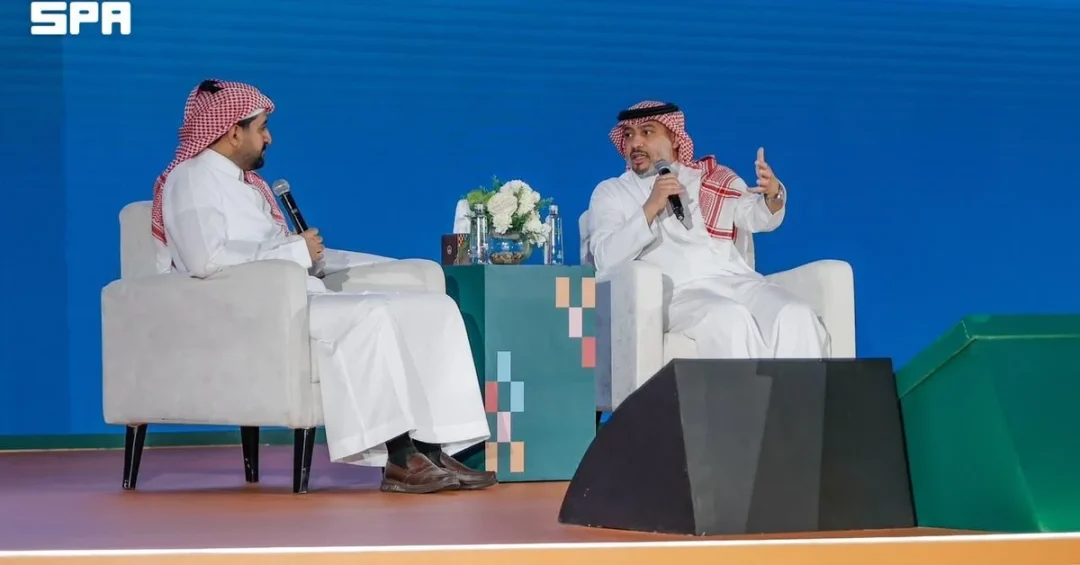
Riyadh, November 24, 2026 — Dr. Saleh bin Zaid Al-Mohsen, General Supervisor of the General Administration of Medical Services and the Security Forces Hospital Program, highlighted Saudi Arabia’s efforts to leverage innovation and modern technologies to advance healthcare services and enhance field readiness during a session titled “Innovation in Health and Security: Future Horizons and Transformation Opportunities” at the global Security and Innovation Fair (SAIF). The session, held as part of the high-profile exhibition in Riyadh, underscored the Kingdom’s commitment to integrating cutting-edge medical technologies into its security and healthcare frameworks, aligning with the national Vision 2030 objectives to foster a diversified, knowledge-based economy and world-class public services.
Dr. Al-Mohsen’s remarks, released via the Saudi Press Agency, emphasized that innovation is not merely an adjunct to medical services but a strategic priority in their development. He pointed to the pivotal role of the Prince Naif Center for Medical Excellence and Innovation in creating an ecosystem where healthcare practitioners, researchers, and innovators collaborate to push the boundaries of what is possible in patient care and emergency response. The SAIF exhibition, which brings together global experts and Saudi entities, serves as a testament to the Kingdom’s growing stature as a hub for security and health innovation. How is Saudi Arabia positioning itself at the forefront of this critical intersection of health and security? The answer lies in a deliberate, technology-driven approach that is already yielding tangible results.
Context and Background
What does it take to build a healthcare system that is both resilient and innovative? Saudi Arabia has been answering that question through sustained investment in digital transformation and advanced medical technologies under the umbrella of Vision 2030. The General Administration of Medical Services and the Security Forces Hospital Program, led by Dr. Al-Mohsen, have been instrumental in this journey, ensuring that security personnel and the broader public benefit from the latest advancements. The Prince Naif Center for Medical Excellence and Innovation stands as a cornerstone of this effort, fostering an environment that bridges the gap between medical practice and technological innovation.
The center’s work is particularly significant in the context of Saudi Arabia’s unique challenges and opportunities. With a vast geography, a growing population, and the annual influx of millions of pilgrims for Hajj and Umrah, the Kingdom requires healthcare solutions that are scalable, mobile, and intelligent. The integration of robotic surgery, digital twins, and other cutting-edge applications into medical services is not just about keeping pace with global trends; it is about creating a bespoke model that addresses the specific needs of the nation. This approach reflects a broader strategic vision to enhance quality of life, ensure public safety, and position Saudi Arabia as a leader in health innovation.
Furthermore, the collaboration with HUMAIN, a national artificial intelligence champion, to establish an innovation and AI laboratory demonstrates a whole-of-government approach to technological advancement. By bringing together medical and technical expertise, this initiative aims to develop solutions that can predict, prevent, and respond to health risks more effectively. Such partnerships are vital for translating research into real-world applications, ensuring that innovation directly benefits those on the front lines and the communities they serve.
Key Details
What specific technologies are driving this transformation? Dr. Al-Mohsen detailed several key innovations that are already making a difference. Robotic surgery, for instance, is enhancing precision and reducing recovery times for patients, while digital twins—virtual replicas of physical systems—are being used to simulate and optimize medical processes. These technologies are complemented by an innovation and artificial intelligence laboratory, established in collaboration with HUMAIN, which focuses on developing AI-driven healthcare solutions tailored to the Kingdom’s needs.
One of the most impactful applications highlighted was the use of smart wearable devices to monitor the vital signs of security personnel in the field. During the Hajj season, these devices processed more than 100 million vital-sign readings, enabling early detection of potential health risks and facilitating timely intervention. This massive data stream is not just a technical achievement; it represents a lifeline for those ensuring the safety of pilgrims and the smooth operation of one of the world’s largest annual gatherings. Digital systems are also employed to monitor points of care and field teams, contributing to faster response times and more coordinated efforts.
These details illustrate a comprehensive strategy that spans from individual health monitoring to systemic improvements in emergency response. The ability to collect and analyze vast amounts of health data in real time allows for proactive rather than reactive care, a paradigm shift that is crucial in high-stakes environments. Dr. Al-Mohsen’s presentation at SAIF thus served as both a progress report and a blueprint for future advancements, showcasing how Saudi Arabia is harnessing technology to protect its people and enhance its operational capabilities.
International and Regional Impact
How does Saudi Arabia’s progress in health innovation resonate beyond its borders? The Kingdom’s initiatives are setting a benchmark for other nations in the region and beyond, demonstrating how strategic investments in technology can yield significant improvements in public health and security. The SAIF exhibition itself is a platform for international cooperation, attracting experts and companies from around the world to share knowledge and explore partnerships. By showcasing its achievements, Saudi Arabia reinforces its role as a leader in the Middle East and a reliable partner in global efforts to advance healthcare and security.
Moreover, the use of AI and digital health solutions in the context of Hajj has implications for crowd management and mass gathering medicine worldwide. The data and insights gained from monitoring millions of pilgrims can inform best practices for other large-scale events, from religious gatherings to international sporting competitions. This positions Saudi Arabia as a source of innovation and expertise, enhancing its soft power and diplomatic influence. Regional neighbors, many of which face similar challenges, can look to the Kingdom’s model as a template for their own digital transformation journeys.
Economic and Strategic Significance
What are the economic and strategic benefits of these technological advancements? Investing in health innovation is not only a matter of public welfare but also a driver of economic growth. The development of a local health-tech ecosystem, supported by partnerships with entities like HUMAIN, creates jobs, fosters entrepreneurship, and attracts foreign investment. It aligns with Vision 2030’s goal of diversifying the economy away from oil dependence and building a knowledge-based society. By nurturing local talent and expertise, Saudi Arabia is reducing its reliance on imported solutions and positioning itself as a net exporter of innovative healthcare technologies.
Strategically, enhanced medical services and field readiness contribute directly to national security. Healthy, well-monitored security personnel are better equipped to perform their duties, and efficient emergency response systems can mitigate the impact of crises. The integration of digital systems for monitoring points of care ensures that resources are allocated optimally, improving overall operational efficiency. This synergy between health and security is a key pillar of the Kingdom’s approach to safeguarding its interests and ensuring the well-being of its citizens and residents.
Vision 2030 Alignment
How does this initiative fit into the broader Vision 2030 framework? The emphasis on innovation, digital transformation, and public-private partnerships is a direct reflection of Vision 2030’s core themes. The Vision aims to create a vibrant society, a thriving economy, and an ambitious nation—goals that are all supported by advancements in healthcare and security. The Prince Naif Center for Medical Excellence and Innovation, along with the collaboration with HUMAIN, exemplifies the kind of cross-sector collaboration that the Vision encourages. By leveraging AI and other technologies, Saudi Arabia is not only improving services today but also building the infrastructure for a future where data-driven decision-making is the norm.
As the Kingdom continues to host major events and welcome millions of visitors, the lessons learned and technologies deployed will be refined and expanded. The success at SAIF is a clear signal that Saudi Arabia is committed to leading by example, using innovation to overcome challenges and create opportunities. With a clear roadmap and strong leadership, the nation is well on its way to realizing its ambitious goals, ensuring a healthier, safer, and more prosperous future for all. What could be more inspiring than a nation harnessing the power of technology to serve humanity?
20 Questions
Q1. What was the main focus of Dr. Saleh Al-Mohsen’s session at the SAIF exhibition?
A1. Dr. Al-Mohsen highlighted efforts to leverage innovation and modern technologies to advance healthcare services and enhance field readiness, emphasizing innovation as a strategic priority in developing medical services.
Q2. Where and when did Dr. Al-Mohsen make these remarks?
A2. He spoke during a session titled “Innovation in Health and Security: Future Horizons and Transformation Opportunities” at the global Security and Innovation Fair (SAIF) in Riyadh, as reported on November 24, 2026.
Q3. What is the role of the Prince Naif Center for Medical Excellence and Innovation?
A3. The center fosters an environment that brings together healthcare practitioners, researchers, and innovators to develop advanced medical solutions and drive progress in healthcare services.
Q4. Which advanced technologies are employed at the center?
A4. The center uses robotic surgery, digital twins, and other cutting-edge medical applications, along with an innovation and artificial intelligence laboratory established in collaboration with HUMAIN.
Q5. How does the collaboration with HUMAIN benefit healthcare innovation?
A5. The partnership brings together medical and technical expertise to develop innovative healthcare solutions, leveraging AI to enhance diagnostics, treatment, and operational efficiency.
Q6. What are smart wearable devices used for in the context of security personnel?
A6. They are used to monitor the vital signs of security personnel in the field, allowing for early detection of potential health risks and timely intervention.
Q7. How many vital-sign readings were processed during the Hajj season?
A7. During the Hajj season, the devices processed more than 100 million vital-sign readings, demonstrating the scale and effectiveness of the monitoring system.
Q8. What is the purpose of digital systems monitoring points of care and field teams?
A8. These systems contribute to faster response times and better coordination, ensuring that medical assistance reaches those in need promptly and efficiently.
Q9. How does innovation in health and security align with Saudi Vision 2030?
A9. It aligns with Vision 2030’s goals of enhancing quality of life, diversifying the economy, and building a knowledge-based society through technological advancement and public-private partnerships.
Q10. What is the significance of the SAIF exhibition for Saudi Arabia?
A10. SAIF serves as a platform to showcase Saudi Arabia’s advancements in security and health innovation, attract international collaboration, and reinforce its leadership in the region.
Q11. What are digital twins and how are they used in healthcare?
A11. Digital twins are virtual replicas of physical systems or processes. In healthcare, they simulate medical scenarios to optimize treatments, predict outcomes, and improve patient care.
Q12. How does robotic surgery improve medical services?
A12. Robotic surgery enhances precision, reduces recovery times, and minimizes invasiveness, leading to better patient outcomes and more efficient use of medical resources.
Q13. What is the role of the General Administration of Medical Services?
A13. It oversees the provision of medical services, ensures field readiness, and drives innovation to enhance healthcare delivery for security personnel and the broader community.
Q14. How does the Security Forces Hospital Program contribute to national security?
A14. By ensuring the health and readiness of security personnel, the program supports their ability to perform duties effectively, contributing to overall national security and stability.
Q15. What are the economic benefits of investing in health innovation?
A15. It creates jobs, fosters entrepreneurship, attracts investment, and helps diversify the economy, aligning with Vision 2030’s economic goals.
Q16. How can Saudi Arabia’s experience benefit other countries?
A16. Other nations can learn from Saudi Arabia’s model of integrating AI and digital health solutions, especially for mass gatherings and emergency response, enhancing global health security.
Q17. What is the significance of processing 100 million vital-sign readings?
A17. It demonstrates the scalability and reliability of the monitoring system, providing valuable data to protect the health of security personnel during large-scale events like Hajj.
Q18. How does the innovation and AI laboratory operate?
A18. It brings together medical and technical experts to develop AI-driven healthcare solutions, focusing on practical applications that improve patient care and operational efficiency.
Q19. What future developments can be expected from these initiatives?
A19. Continued advancements in AI, wearable technology, and digital health are expected, further enhancing Saudi Arabia’s healthcare and security capabilities in line with Vision 2030.
Q20. How does Dr. Al-Mohsen’s message reflect Saudi Arabia’s commitment to innovation?
A20. His emphasis on strategic prioritization of innovation and collaboration underscores Saudi Arabia’s dedication to leveraging technology for the betterment of society and achieving its ambitious Vision 2030 goals.
Reader Feedback
We value your thoughts. Please share your feedback on this article.
Your feedback helps us improve our coverage.
Related articles
 Jeddah Municipality Adopts Real-Time PCR for Food Safety
 Health Ministry Detects Sick Leave Violations, Takes Legal Action
 KFSH Fetal Procedures Surge 41% in Two Years
 SFDA and Prince Sattam University Sign Research Pact
 Jazan Governor Receives Guinness Certificate for Diabetes Screening Record
 KFSH Honors 41 Researchers on Stanford Top 2% List