


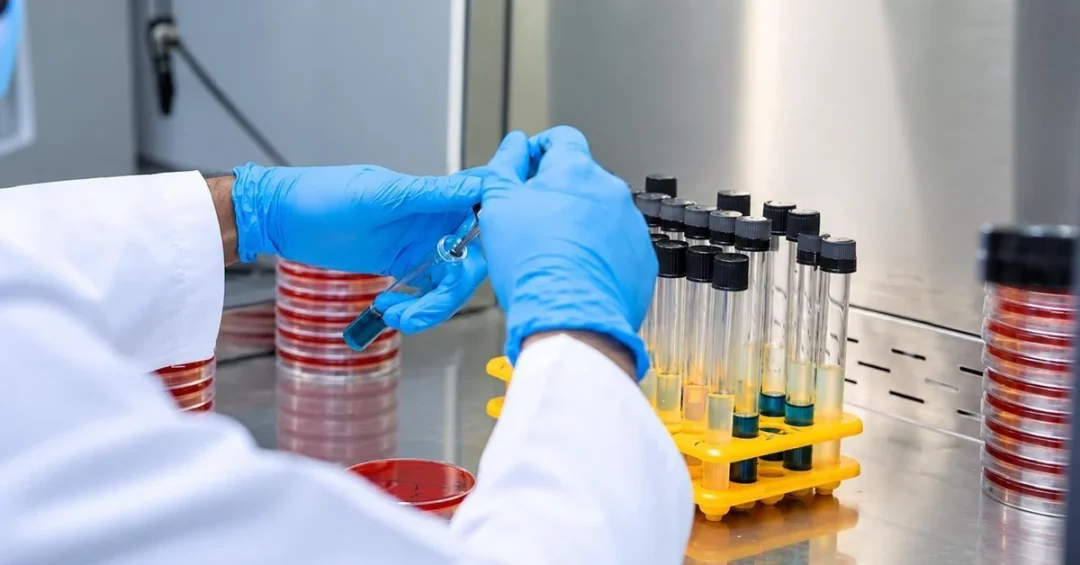
Jeddah Municipality has officially adopted real-time polymerase chain reaction (PCR) technology for food safety testing, a significant step that uses bacterial DNA analysis to detect foodborne pathogens and verify meat origins within hours, according to the Saudi Press Agency (SPA). The announcement, made on November 23, 2026, underscores the Kingdom’s commitment to leveraging advanced science to protect public health, combat commercial fraud, and ensure that food products meet Saudi standard specifications. By integrating this cutting-edge tool into its Public Health Laboratory for Food and Water, Jeddah is setting a new benchmark for regulatory excellence in the region.
This development is not merely a technical upgrade; it represents a strategic investment in the well-being of millions of residents and visitors who rely on Jeddah’s food supply chain every day. As the gateway to the Two Holy Mosques and a bustling commercial hub, Jeddah’s ability to swiftly and accurately screen food items has far-reaching implications for public health, trade, and consumer confidence. The adoption of real-time PCR aligns seamlessly with Saudi Arabia’s Vision 2030, which prioritizes quality of life, health security, and the modernization of public services. Could this be the beginning of a nationwide shift toward DNA-based food safety protocols? The move by Jeddah Municipality suggests that the future of food safety in Saudi Arabia is not just reactive but predictive and precise.
Context and Background
Food safety has long been a critical concern for Saudi Arabia, particularly in urban centers like Jeddah, where the influx of imported and locally produced food items demands rigorous oversight. Traditional methods of detecting foodborne pathogens, such as plate culture techniques, have been the backbone of laboratory testing for decades. However, these methods are time-consuming, often requiring three to five days to yield results. In an era where global supply chains move rapidly, such delays can allow contaminated products to reach consumers before corrective action is taken. The limitations of traditional testing have therefore driven a global push toward faster, more sensitive technologies—and Saudi Arabia is now at the forefront of this transition.
Real-time PCR technology, which amplifies and simultaneously quantifies bacterial DNA, offers a paradigm shift. By targeting specific genetic material, it can identify pathogens even in trace amounts, providing results within 24 hours. This capability is especially vital for detecting commercial fraud, such as the mislabeling of meat species, which not only deceives consumers but can also pose health risks due to undeclared allergens or prohibited substances. The decision by Jeddah Municipality to adopt this technology reflects a broader recognition within the Kingdom that advanced biotechnology is essential for safeguarding public health and maintaining trust in the food market.
Key Details
According to Luay Alsubhi, Laboratory Manager at Jeddah Municipality, the real-time PCR system delivers rapid results with high sensitivity while minimizing laboratory contamination. In a statement to the Saudi Press Agency, Alsubhi explained that the technology can detect even trace amounts of targeted genetic material in food samples. “It also allows DNA amplification to be monitored during the reaction, speeding up detection, improving the objectivity of results, and increasing the accuracy of laboratory reports in line with the highest quality standards,” he said. The ability to monitor amplification in real time means that technicians can confirm the presence of a pathogen or verify meat origin without the need for post-reaction analysis, further reducing turnaround times.
The technology’s application extends beyond pathogen detection. It enables authorities to determine the origin of meat—whether it is beef, poultry, pork, or other species—by analyzing unique DNA sequences. This is particularly important in Saudi Arabia, where halal compliance and food authenticity are paramount. The PCR method can also detect genetically modified organisms (GMOs) and allergens, although the current focus is on foodborne pathogens and species identification. By integrating this tool, Jeddah Municipality aims to enhance its monitoring of both imported and domestic food products, ensuring that they adhere to Saudi standard specifications set by the Saudi Food and Drug Authority (SFDA).
In a parallel development, the Jeddah Municipality’s Public Health Laboratory for Food and Water has renewed its accreditation from the Saudi Accreditation Center for another three years. The accreditation is granted under the international standard ISO/IEC 17025:2017, which specifies the general requirements for the competence of testing and calibration laboratories. This renewal is a testament to the laboratory’s adherence to globally recognized quality management systems and technical proficiency. It also reinforces the municipality’s ongoing efforts to improve laboratory services and strengthen food and water safety monitoring, ultimately protecting the health of Jeddah’s residents and visitors.
International and Regional Impact
The adoption of real-time PCR by Jeddah Municipality positions Saudi Arabia as a regional leader in food safety innovation. Across the Middle East, many countries still rely heavily on conventional culture methods, which can delay outbreak responses and hinder trade. By demonstrating the feasibility and benefits of PCR at a municipal level, Jeddah sets an example that other Saudi cities and neighboring nations may follow. This could lead to harmonized testing standards across the Gulf Cooperation Council (GCC), facilitating smoother trade flows and enhancing consumer protection regionally. Moreover, the technology’s ability to rapidly identify meat species supports international trade compliance, as exporting countries must meet Saudi Arabia’s stringent halal and quality requirements.
On the global stage, the move aligns with the World Health Organization’s calls for strengthened food safety systems and the use of molecular diagnostics. It also complements the Saudi Vision 2030 goal of establishing the Kingdom as a logistics and commercial hub. Reliable food safety infrastructure is a prerequisite for attracting international food businesses and expanding agricultural exports. As Jeddah continues to develop mega-projects like the Jeddah Central Project, the demand for safe, high-quality food will only grow. The PCR technology thus serves as a cornerstone of both public health and economic diversification, reinforcing Saudi Arabia’s reputation as a modern, forward-looking nation.
Economic and Strategic Significance
From an economic perspective, the implementation of real-time PCR testing can reduce the financial burden associated with foodborne illness outbreaks. Each year, contaminated food causes significant morbidity and mortality worldwide, leading to healthcare costs and lost productivity. By detecting pathogens faster, Jeddah Municipality can prevent contaminated products from reaching the market, thereby averting outbreaks and their associated economic toll. Additionally, the technology helps combat commercial fraud, which distorts markets and undermines legitimate businesses. When consumers trust that food labels are accurate, they are more willing to purchase premium products, boosting the local economy.
Strategically, the adoption of advanced testing methods enhances Saudi Arabia’s food security. The Kingdom imports a large proportion of its food, making it vulnerable to supply chain disruptions and safety lapses in exporting countries. By bolstering domestic testing capacity, Saudi Arabia can better screen imports and ensure that they meet national standards. This reduces reliance on foreign certification and strengthens sovereign control over food safety. Furthermore, the renewed ISO/IEC 17025:2017 accreditation signals to international partners that Saudi laboratories operate at the highest level of competence, facilitating mutual recognition agreements and reducing trade barriers. In essence, this development is a strategic investment in both public health and economic resilience.
Vision 2030 Alignment
The adoption of real-time PCR technology and the renewal of laboratory accreditation are directly aligned with Saudi Vision 2030, particularly its Quality of Life Program and Health Sector Transformation Program. Vision 2030 seeks to improve the health and well-being of citizens and residents by ensuring access to safe food and water, and by modernizing public services through technology. Jeddah Municipality’s initiative exemplifies how local government can contribute to national goals by embracing innovation and adhering to international best practices. It also supports the Vision’s aim to enhance government efficiency and transparency, as faster, more accurate testing leads to better regulatory decisions and greater public trust.
Looking ahead, the success of this program could pave the way for broader adoption of molecular diagnostics across Saudi Arabia’s food safety network. As the Kingdom continues to invest in smart cities and digital health, real-time PCR could be integrated with data analytics to predict and prevent food safety incidents. This would not only protect public health but also reinforce Saudi Arabia’s leadership in leveraging technology for societal benefit. In a world where food safety challenges are increasingly complex, Jeddah’s proactive approach serves as a model for other cities in the Kingdom and beyond. It is a clear demonstration of how Vision 2030 is translating into tangible improvements in everyday life.
20 Questions
Q1. What is real-time PCR technology and how does it work?
A1. Real-time PCR (polymerase chain reaction) is a molecular biology technique that amplifies and simultaneously quantifies DNA. It uses fluorescent dyes to monitor the amplification of specific genetic sequences in real time, allowing for rapid detection of pathogens or identification of meat species.
Q2. Why has Jeddah Municipality adopted this technology for food safety?
A2. Jeddah Municipality adopted real-time PCR to enhance food safety by detecting foodborne pathogens and verifying meat origins within hours, rather than days. This helps prevent outbreaks, combat commercial fraud, and ensure compliance with Saudi standard specifications.
Q3. How much faster are results with real-time PCR compared to traditional methods?
A3. Real-time PCR delivers results within 24 hours, while traditional plate culture methods take three to five days. This significant reduction in turnaround time enables quicker responses to potential food safety threats.
Q4. What types of food hazards can real-time PCR detect?
A4. The technology can detect bacterial DNA from foodborne pathogens such as Salmonella, Listeria, and E. coli. It can also identify the species origin of meat, helping to uncover mislabeling or substitution fraud.
Q5. Who is Luay Alsubhi and what did he say about the technology?
A5. Luay Alsubhi is the Laboratory Manager at Jeddah Municipality. He stated that the technology offers rapid results, high sensitivity, and minimal contamination, and that it improves the objectivity and accuracy of laboratory reports.
Q6. What is the significance of the ISO/IEC 17025:2017 accreditation?
A6. ISO/IEC 17025:2017 is an international standard specifying requirements for the competence of testing and calibration laboratories. The renewed accreditation confirms that Jeddah’s Public Health Laboratory meets global quality and technical standards.
Q7. How does this technology help in detecting commercial fraud?
A7. By analyzing DNA, real-time PCR can determine the exact species of meat in a product. If a label claims beef but the sample contains pork or cheaper substitutes, the test will reveal the discrepancy, protecting consumers and honest businesses.
Q8. What is the role of the Saudi Accreditation Center in this context?
A8. The Saudi Accreditation Center is the national body responsible for accrediting laboratories and certification bodies. Its renewal of the Jeddah laboratory’s accreditation for three years affirms the lab’s compliance with international standards.
Q9. How does this initiative align with Saudi Vision 2030?
A9. It supports Vision 2030’s Quality of Life and Health Sector Transformation programs by leveraging technology to improve public health, enhance government efficiency, and ensure food safety for all residents and visitors.
Q10. What are the limitations of traditional plate culture methods?
A10. Traditional plate culture methods are time-consuming, taking three to five days, and may lack the sensitivity to detect trace amounts of pathogens. They also require more labor and can be prone to contamination.
Q11. Can real-time PCR detect trace amounts of genetic material?
A11. Yes, real-time PCR is highly sensitive and can detect even trace amounts of targeted genetic material. This makes it effective for identifying low-level contamination that might be missed by other methods.
Q12. What other applications does real-time PCR have in food safety?
A12. Beyond pathogen detection and meat speciation, real-time PCR can be used to detect genetically modified organisms (GMOs), allergens, and specific spoilage organisms, providing a comprehensive tool for food quality control.
Q13. How does the technology minimize laboratory contamination?
A13. Real-time PCR is performed in closed tubes, and the amplification and detection occur simultaneously, reducing the need for post-PCR handling. This minimizes the risk of cross-contamination between samples.
Q14. What impact will this have on Jeddah’s residents and visitors?
A14. Residents and visitors will benefit from safer food, as contaminated products can be identified and removed from the market more quickly. This reduces the risk of foodborne illnesses and enhances public health.
Q15. Is this technology cost-effective for municipalities?
A15. While the initial investment in equipment and training may be significant, the long-term savings from preventing outbreaks, reducing healthcare costs, and streamlining laboratory operations make it cost-effective.
Q16. How does this initiative support Saudi Arabia’s food security goals?
A16. By enhancing domestic testing capacity, Saudi Arabia can better screen imported food and reduce reliance on foreign certifications. This strengthens national control over food safety and supports food security.
Q17. What training is required for laboratory staff to use real-time PCR?
A17. Staff require specialized training in molecular biology techniques, instrument operation, and data analysis. Jeddah Municipality likely provides ongoing professional development to ensure competency.
Q18. Will other Saudi cities adopt similar technology?
A18. While no official announcements have been made, the success of Jeddah’s program could serve as a model for other municipalities. The Saudi Food and Drug Authority may also promote broader adoption.
Q19. How does real-time PCR help in verifying halal compliance?
A19. Real-time PCR can identify the species of meat, ensuring that products labeled halal do not contain pork or other prohibited substances. This supports halal certification and consumer confidence.
Q20. What is the next step for Jeddah Municipality in food safety?
A20. Jeddah Municipality will continue to enhance its laboratory services, possibly integrating data analytics and expanding testing parameters. The renewed accreditation provides a foundation for further innovations in food safety monitoring.
Reader Feedback
We value your thoughts. Please share your feedback on this article.
Your feedback helps us improve our coverage.
Related articles
 Health Ministry Detects Sick Leave Violations, Takes Legal Action
 KFSH Fetal Procedures Surge 41% in Two Years
 SFDA and Prince Sattam University Sign Research Pact
 Jazan Governor Receives Guinness Certificate for Diabetes Screening Record
 KFSH Honors 41 Researchers on Stanford Top 2% List
 KFSH&RC Treats 288 Patients with CAR-T Therapy