


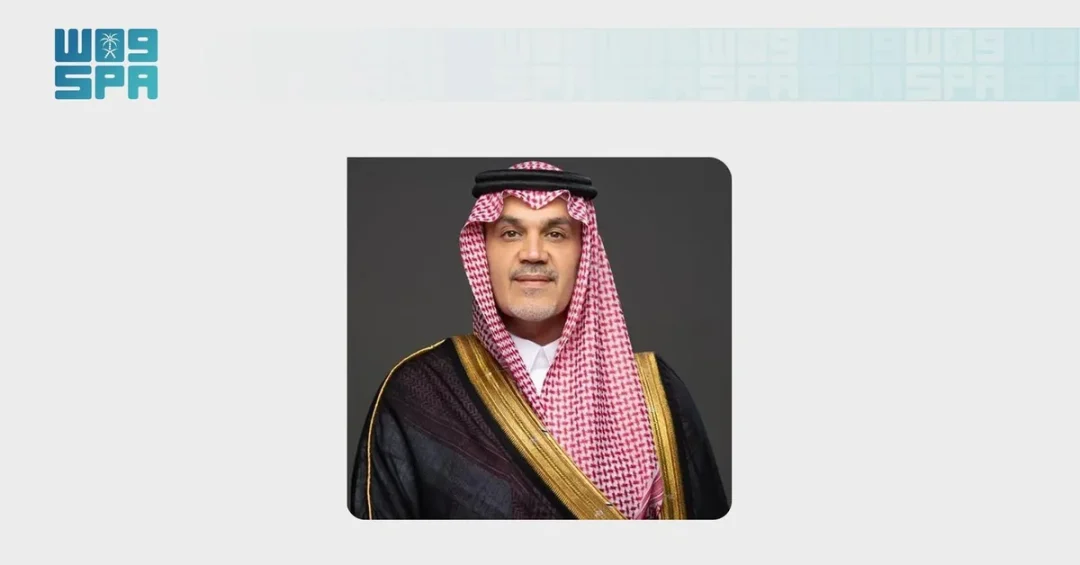
Saudi Arabia’s Minister of Investment, Fahad Al-Saif, announced on November 24, 2026, that the state budget for fiscal year 2027 reflects the leadership’s commitment to advancing the development goals of Saudi Vision 2030 and supports efforts to diversify the national economy’s production base while increasing the private sector’s contribution. The minister’s remarks, released via the Saudi Press Agency (SPA), underscore the Kingdom’s strategic focus on fostering a resilient and competitive investment environment.
In a statement that highlights Saudi Arabia’s ability to maintain stability and sustain growth amid global economic and geopolitical changes, Al-Saif emphasized that the 2027 budget’s clarity of spending priorities helps the private sector plan investments and expand businesses. This, he noted, reinforces investors’ confidence in maintaining and expanding their operations in the Kingdom. What does this budget mean for the future of investment in Saudi Arabia? It signals a continued commitment to economic diversification and private sector empowerment, key pillars of Vision 2030.
Context and Background
Why is the 2027 state budget particularly significant for Saudi Arabia’s economic trajectory? The budget comes at a time when the Kingdom is accelerating its efforts to transform into a diversified, innovation-driven economy. Under Vision 2030, launched in 2016 by Crown Prince Mohammed bin Salman, Saudi Arabia has been steadily reducing its dependence on oil revenues and boosting non-oil sectors. The 2027 budget aligns with these objectives by prioritizing spending on infrastructure, technology, and human capital development, which are essential for attracting foreign and domestic investment.
The Minister of Investment’s statement follows a series of economic reforms that have improved Saudi Arabia’s business environment. These include the introduction of new investment laws, the establishment of special economic zones, and enhancements to the regulatory framework. Such measures have contributed to Saudi Arabia’s rising rankings in global competitiveness indices. For instance, the Kingdom jumped to 16th place in the World Bank’s Doing Business 2025 report, up from 30th in 2020. The 2027 budget builds on this momentum, ensuring that government spending supports high-value sectors and creates opportunities for local and international investors.
Moreover, the budget’s focus on spending clarity is designed to provide predictability for businesses, enabling them to make long-term commitments. This is crucial as Saudi Arabia seeks to attract $100 billion in annual foreign direct investment (FDI) by 2030, a target set under the National Investment Strategy. With FDI inflows already reaching SAR159 billion in 2025, up 33.5% year-on-year, the Kingdom is well on its way to achieving this goal. The 2027 budget is expected to further catalyze investment by allocating funds to strategic projects and streamlining government processes.
Key Details
What specific elements of the 2027 budget are designed to enhance investment competitiveness? Minister Al-Saif outlined that the budget supports the private sector through targeted spending on infrastructure, digital transformation, and renewable energy. These investments are intended to reduce operational costs for businesses and improve the overall ease of doing business. For example, the budget includes allocations for expanding high-speed internet connectivity and upgrading transportation networks, which are critical for logistics and manufacturing sectors.
Al-Saif also highlighted that the investment ecosystem is working to strengthen the investment environment through economic, legislative, and regulatory reforms. This includes the recent amendment to the Investment Law, which allows 100% foreign ownership in certain sectors and simplifies licensing procedures. The Ministry of Investment has also launched initiatives to provide incentives for investors, such as tax breaks and land grants in special economic zones. These measures are designed to make Saudi Arabia a top destination for global capital.
Furthermore, the minister pointed to indicators of Saudi Arabia’s expanding investment base. Foreign direct investment inflows reached around SAR159 billion in 2025, up 33.5%, while gross fixed capital formation totaled around SAR1.4 trillion, equivalent to 28.4% of GDP. These figures demonstrate the private sector’s growing role in the economy and the effectiveness of ongoing reforms. The 2027 budget aims to build on this success by continuing to allocate resources to sectors with high growth potential, such as technology, tourism, and advanced manufacturing.
International and Regional Impact
How does Saudi Arabia’s investment strategy influence the broader Middle East and global markets? The Kingdom’s efforts to diversify its economy and attract foreign investment have significant implications for regional economic integration. As the largest economy in the Arab world, Saudi Arabia’s growth spurs demand for goods and services from neighboring countries, creating opportunities for trade and collaboration. The 2027 budget’s emphasis on non-oil sectors could lead to increased intra-regional investment, particularly in areas like logistics, finance, and technology.
On the global stage, Saudi Arabia’s proactive approach to economic reform enhances its attractiveness as an investment destination. Multinational corporations are increasingly viewing the Kingdom as a gateway to the Middle East and Africa, given its strategic location and improving business climate. The 2027 budget’s focus on innovation and sustainability aligns with global trends, positioning Saudi Arabia as a competitive player in the post-oil economy. This could lead to stronger partnerships with countries in Asia, Europe, and the Americas, further integrating Saudi Arabia into the global economy.
Economic and Strategic Significance
What makes the 2027 budget a strategic tool for Saudi Arabia’s long-term economic goals? The budget is not merely a fiscal plan; it is a catalyst for structural transformation. By prioritizing spending on education, healthcare, and research and development, the government is investing in the future productivity of the nation. These investments are expected to boost human capital, which is essential for attracting high-tech industries and fostering innovation. The budget also supports small and medium-sized enterprises (SMEs), which are vital for job creation and economic diversification.
Strategically, the 2027 budget reinforces Saudi Arabia’s position as a regional leader in economic reform. It sends a signal to investors that the Kingdom is committed to maintaining fiscal discipline while pursuing growth. The budget’s alignment with Vision 2030 ensures that all spending is directed toward achieving the overarching goals of economic diversification, social development, and global engagement. As Minister Al-Saif noted, the investment ecosystem is focused on turning opportunities into productive projects that transfer knowledge and technology, develop local content and value chains, and create jobs across various regions of the Kingdom.
Vision 2030 Alignment
How does the 2027 budget specifically advance the objectives of Vision 2030? The budget directly supports several Vision 2030 pillars, including a thriving economy, a vibrant society, and an ambitious nation. By increasing the private sector’s contribution to GDP, the budget helps achieve the goal of raising the private sector’s share from 40% to 65% by 2030. It also promotes foreign investment, which is critical for transferring technology and expertise, thereby enhancing the Kingdom’s competitiveness.
In conclusion, the 2027 state budget represents a significant step forward in Saudi Arabia’s journey toward economic diversification and global integration. Under the leadership of Crown Prince Mohammed bin Salman, the Kingdom is creating an enabling environment for investors, fostering innovation, and building a sustainable future. As the Minister of Investment’s remarks make clear, the budget is not just a financial document; it is a testament to Saudi Arabia’s resolve to achieve Vision 2030 and secure its place as a leading global economy. Isn’t it inspiring to see such a clear roadmap for prosperity? The world is watching as Saudi Arabia transforms, and the 2027 budget is a bold statement of intent.
20 Questions
Q1. What did the Minister of Investment say about the 2027 state budget?
A1. Fahad Al-Saif stated that the 2027 budget reflects the leadership’s commitment to Vision 2030, supports economic diversification, and increases the private sector’s contribution.
Q2. When was the 2027 budget announced?
A2. The budget was announced on November 24, 2026, according to the Saudi Press Agency.
Q3. How does the 2027 budget help the private sector?
A3. It provides clarity on spending priorities, enabling businesses to plan investments and expand operations with confidence.
Q4. What are the key indicators of Saudi Arabia’s expanding investment base?
A4. Foreign direct investment inflows reached SAR159 billion in 2025, up 33.5%, and gross fixed capital formation totaled SAR1.4 trillion, or 28.4% of GDP.
Q5. What reforms are enhancing Saudi Arabia’s investment environment?
A5. Economic, legislative, and regulatory reforms, including 100% foreign ownership in some sectors and streamlined licensing, are improving the business climate.
Q6. How does the budget support Vision 2030?
A6. It allocates spending to diversify the economy, boost non-oil sectors, and increase private sector involvement, aligning with Vision 2030 goals.
Q7. What is the target for foreign direct investment by 2030?
A7. Saudi Arabia aims to attract $100 billion in annual FDI by 2030 under the National Investment Strategy.
Q8. How does the budget affect international investors?
A8. It creates opportunities through incentives, infrastructure spending, and a stable regulatory framework, making the Kingdom more attractive.
Q9. What sectors are prioritized in the 2027 budget?
A9. Technology, tourism, renewable energy, and advanced manufacturing are key sectors receiving increased allocations.
Q10. How does the budget enhance Saudi Arabia’s competitiveness?
A10. By investing in infrastructure, digital transformation, and human capital, it reduces costs and improves the ease of doing business.
Q11. What role does the Ministry of Investment play?
A11. It works with partners to create opportunities for local and international investors, turning them into productive projects that transfer knowledge and create jobs.
Q12. How does the budget support job creation?
A12. By fostering investment in various sectors, it generates employment across regions, particularly for youth and in high-value industries.
Q13. What is the significance of gross fixed capital formation?
A13. At 28.4% of GDP, it indicates strong investment in productive assets, driving economic growth and diversification.
Q14. How does the budget address global economic challenges?
A14. It reinforces stability and growth, boosting investor confidence despite global uncertainties.
Q15. What are special economic zones?
A15. They are designated areas with incentives like tax breaks and simplified regulations to attract investment in specific industries.
Q16. How does the budget promote local content?
A16. By supporting projects that develop local supply chains and value chains, it increases the use of domestic goods and services.
Q17. What is the expected impact on SMEs?
A17. The budget provides funding and incentives for SMEs, helping them grow, innovate, and contribute to job creation.
Q18. How does the budget align with Saudi Arabia’s climate goals?
A18. It invests in renewable energy and sustainability projects, supporting the Kingdom’s aim to achieve net-zero emissions by 2060.
Q19. What does the budget mean for regional integration?
A19. It strengthens Saudi Arabia’s economic ties with neighboring countries, fostering trade and investment flows across the Middle East.
Q20. How can investors learn more about opportunities in Saudi Arabia?
A20. They can contact the Ministry of Investment or visit official portals for information on incentives, sectors, and procedures.
Reader Feedback
We value your thoughts. Please share your feedback on this article.
Your feedback helps us improve our coverage.
Related articles
 Saudi 2027 Budget Prioritizes Essential Services and Growth
 Kidana Path Initiative Empowers Cottage Industry Families
 Najrani Wheat Planting Season Kicks Off in Najran
 Saudi Cabinet Approves 2027 Budget, Eyes Vision 2030
 Saudi AI Registrations Surge 31% in Tech Boom
 Oman Joins Foodex Saudi 2026 in Jeddah with 10 Firms