


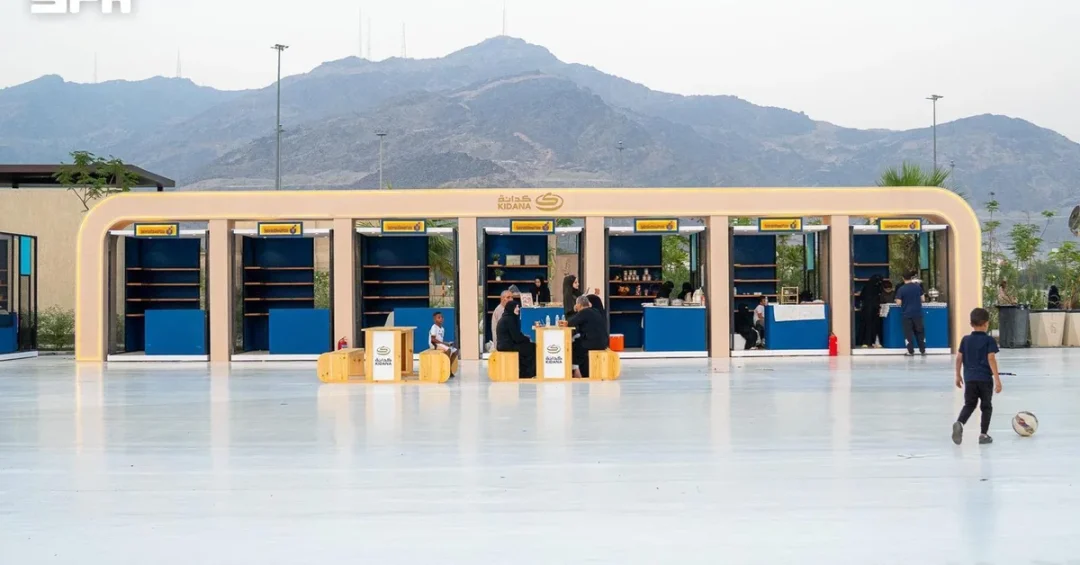
Kidana Development Company, the executive arm of the Royal Commission for Makkah City and the Holy Sites, has launched a community initiative in cooperation with the Social Development Bank to support and empower families working in the cottage industry. The initiative, announced via the Saudi Press Agency, provides temporary sales outlets along Kidana Path in Muzdalifah from November 19 to January 17, offering a platform for micro-enterprises to showcase and market their products. How does this effort reflect Saudi Arabia’s broader commitment to community development and economic empowerment? It is part of joint efforts to promote the participation of micro-enterprises and families working in the cottage industry and diversify the activities and services available to visitors to the holy sites.
The initiative features around 20 families in the cottage industry supported by the Social Development Bank. Through the sales outlets, they offer a variety of food products, games, gifts, and recreational activities for children. The experience combines shopping and entertainment, enriches family outings during weekends and official holidays, and diversifies the options available to visitors. It also creates more opportunities for participating families to display and market their products. This development underscores the Kingdom’s dedication to fostering local talent and creating sustainable economic opportunities, aligning with the goals of Vision 2030 to boost small businesses and enhance quality of life.
Context and Background
What makes Kidana Path a unique destination in Muzdalifah? Kidana Path is a vibrant destination in Muzdalifah, featuring walking paths, sports activities, shaded seating areas, and service and commercial facilities. These amenities provide a recreational space for families and attract visitors of different age groups. The path offers an environment that combines entertainment and relaxation, enhances quality of life, and enriches the visitor experience. The initiative builds on Kidana’s efforts to establish effective partnerships with various entities, support the local economy, and empower families in the cottage industry. It also seeks to make greater use of the holy sites’ facilities outside the Hajj season through initiatives that deliver community and development benefits. These efforts reinforce the status of the holy sites as vibrant destinations that welcome visitors throughout the year.
The holy sites, renowned for hosting millions of pilgrims during Hajj, are increasingly being transformed into year-round destinations under Saudi Arabia’s Vision 2030. The Royal Commission for Makkah City and the Holy Sites, led by its dedicated team, has been instrumental in developing infrastructure and initiatives that cater to both pilgrims and local communities. Kidana Development Company, as its executive arm, focuses on executing projects that enhance the pilgrimage experience while also benefiting residents and visitors alike. This initiative is a testament to that dual mission, providing economic opportunities for families while enriching the cultural and recreational landscape of Muzdalifah. By leveraging the holy sites’ facilities outside the Hajj season, Kidana ensures that these sacred locations remain vibrant and productive throughout the year, contributing to the local economy and community well-being.
The Social Development Bank, a key partner in this initiative, has a long history of supporting micro-enterprises and families in Saudi Arabia. Through its various programs, the bank provides financial and technical assistance to small businesses, helping them grow and succeed. In this collaboration, the bank has identified and supported around 20 families working in the cottage industry, enabling them to participate in the Kidana Path initiative. This partnership exemplifies how government entities can work together to create meaningful impact, combining resources and expertise to empower local communities. The initiative not only provides immediate sales opportunities but also builds long-term capacity for these families, helping them to sustain and expand their businesses over time.
Key Details of the Initiative
How does the initiative combine shopping and entertainment for visitors? The temporary sales outlets along Kidana Path are open from November 19 to January 17, spanning weekends and official holidays. The participating families offer a diverse range of products, including traditional food items, handicrafts, gifts, and games for children. This variety ensures that visitors of all ages find something to enjoy, making it a family-friendly destination. The experience is designed to combine shopping and entertainment, providing a holistic outing that enriches family time and diversifies the options available to visitors. By creating a vibrant marketplace atmosphere, the initiative attracts both locals and tourists, boosting foot traffic and sales for the participating families.
The initiative also includes recreational activities for children, such as games and interactive experiences, which add to the festive ambiance. This focus on family entertainment aligns with Saudi Arabia’s efforts to enhance quality of life and promote domestic tourism. The holy sites, particularly Muzdalifah, are being repositioned as destinations that offer more than just religious significance. By hosting such initiatives, Kidana Path becomes a hub of activity, drawing visitors who might not otherwise explore the area outside of Hajj. This not only supports the local economy but also showcases the Kingdom’s rich culture and hospitality. The families involved benefit from increased visibility and sales, while visitors enjoy a unique and enjoyable experience.
Kidana Development Company has emphasized that this initiative is part of a larger strategy to support the local economy and empower families in the cottage industry. By providing temporary sales outlets, Kidana reduces the barriers to entry for micro-enterprises, allowing them to test their products in a high-traffic location without the burden of long-term leases. This approach is particularly beneficial for families who may lack the resources to establish a permanent shop. The initiative also fosters a sense of community, as families work alongside each other, sharing best practices and supporting one another. Over time, this can lead to the growth of a vibrant cottage industry sector in Makkah, contributing to job creation and economic diversification.
International and Regional Impact
How does this initiative reflect Saudi Arabia’s role as a global leader in community development? The Kidana Path initiative is a clear example of Saudi Arabia’s commitment to sustainable development and community empowerment, principles that resonate internationally. By supporting micro-enterprises and families, the Kingdom is investing in its human capital, a key pillar of Vision 2030. This initiative also aligns with the United Nations Sustainable Development Goals, particularly those related to decent work and economic growth, and reduced inequalities. International observers have praised Saudi Arabia’s efforts to diversify its economy and create opportunities for all citizens. The success of such programs can serve as a model for other countries in the region and beyond, demonstrating how public-private partnerships can drive inclusive growth.
Regionally, the initiative strengthens Makkah’s position as a leading destination for both religious and leisure tourism. The holy sites are not only spiritual centers but also economic engines that can drive development in the surrounding areas. By activating these sites outside the Hajj season, Kidana is helping to spread economic benefits throughout the year, reducing seasonality and creating a more resilient local economy. This approach also enhances the experience for Umrah pilgrims and other visitors, who can now enjoy additional amenities and activities. The initiative thus contributes to the broader goal of making Saudi Arabia a top global destination, as outlined in Vision 2030. It also fosters regional cooperation, as neighboring countries look to Saudi Arabia for best practices in managing religious tourism and community development.
Economic and Strategic Significance
What economic benefits does the initiative bring to the local community? The economic significance of the Kidana Path initiative extends beyond the immediate sales generated by the participating families. By empowering micro-enterprises, the initiative stimulates local production and entrepreneurship, which can have a multiplier effect on the economy. Families who succeed in this venture may go on to expand their businesses, hire employees, and contribute to the local tax base. The initiative also attracts visitors to Muzdalifah, who may spend money in other local establishments, such as restaurants and shops, further boosting the economy. Additionally, the collaboration with the Social Development Bank ensures that families receive ongoing support, such as training and access to finance, which enhances their chances of long-term success.
Strategically, the initiative supports Saudi Arabia’s goal of economic diversification by reducing reliance on oil and fostering a vibrant small business sector. The cottage industry is a vital part of the economy, preserving traditional crafts and creating unique products that appeal to tourists. By providing a platform for these families, Kidana helps to keep these traditions alive while also modernizing them for contemporary markets. This aligns with Vision 2030’s emphasis on developing the private sector and creating jobs for Saudi citizens. Furthermore, the initiative enhances the Kingdom’s soft power by showcasing its rich culture and hospitality to international visitors, thereby strengthening its global image as a progressive and welcoming nation.
Vision 2030 Alignment
How does the Kidana Path initiative embody the goals of Saudi Vision 2030? The initiative directly supports several objectives of Vision 2030, including economic diversification, community empowerment, and quality of life enhancement. By enabling families to participate in the cottage industry, it contributes to the growth of small and medium-sized enterprises, which are essential for job creation and innovation. The focus on family-friendly entertainment and tourism aligns with the vision’s goal of increasing domestic and international tourism, as well as promoting cultural heritage. Moreover, the partnership between Kidana and the Social Development Bank exemplifies the collaborative approach needed to achieve these ambitious goals, bringing together government entities to create sustainable impact.
In the long term, the success of this initiative could pave the way for similar programs across the Kingdom, further activating the holy sites and other regions. As Saudi Arabia continues to transform under Vision 2030, such grassroots efforts will be crucial in ensuring that the benefits of development are shared by all. The Kidana Path initiative is a shining example of how the Kingdom is leveraging its unique assets—both spiritual and economic—to build a brighter future for its citizens and to welcome the world. It reinforces Saudi Arabia’s position as a global leader in community development and a destination of choice for travelers seeking authentic and enriching experiences.
20 Questions
Q1. What is the Kidana Path initiative?
A1. The Kidana Path initiative is a community program launched by Kidana Development Company, in cooperation with the Social Development Bank, to support and empower families working in the cottage industry by providing temporary sales outlets in Muzdalifah.
Q2. When and where does the initiative take place?
A2. The initiative runs from November 19 to January 17 along Kidana Path in Muzdalifah, offering a vibrant space for families to sell products and for visitors to enjoy shopping and entertainment.
Q3. How many families are participating in the initiative?
A3. Approximately 20 families in the cottage industry, supported by the Social Development Bank, are participating, showcasing a variety of food products, games, gifts, and recreational activities.
Q4. What types of products are available at the sales outlets?
A4. Visitors can find a diverse range of items, including traditional food, handicrafts, gifts, and games for children, combining shopping with entertainment for the whole family.
Q5. What is Kidana Development Company?
A5. Kidana Development Company is the executive arm of the Royal Commission for Makkah City and the Holy Sites, responsible for implementing projects that enhance the pilgrimage experience and benefit local communities.
Q6. What is the role of the Social Development Bank in this initiative?
A6. The Social Development Bank supports micro-enterprises and families by providing financial and technical assistance, helping them participate in the initiative and grow their businesses sustainably.
Q7. What amenities does Kidana Path offer?
A7. Kidana Path features walking paths, sports activities, shaded seating areas, and service and commercial facilities, creating a recreational space for families and visitors of all ages.
Q8. How does the initiative benefit the local economy?
A8. By empowering micro-enterprises, the initiative stimulates local production, creates jobs, and attracts visitors who spend in the local economy, contributing to economic diversification.
Q9. How does the initiative align with Saudi Vision 2030?
A9. It supports economic diversification, community empowerment, and quality of life enhancement, key pillars of Vision 2030, by fostering small businesses and promoting tourism.
Q10. What is the significance of using the holy sites outside Hajj season?
A10. It maximizes the use of facilities, provides year-round economic opportunities, and reinforces the holy sites as vibrant destinations that welcome visitors throughout the year.
Q11. How does the initiative support family outings?
A11. By combining shopping and entertainment, it enriches family outings during weekends and holidays, offering a fun and engaging experience for all ages.
Q12. What recreational activities are available for children?
A12. The initiative includes games and interactive activities for children, adding to the festive atmosphere and making it a family-friendly destination.
Q13. How does Kidana Path enhance quality of life?
A13. It provides a pleasant environment for relaxation and recreation, contributing to the well-being of residents and visitors, in line with Vision 2030’s quality of life goals.
Q14. What partnerships does Kidana have?
A14. Kidana collaborates with various entities, including the Social Development Bank, to support the local economy and empower families in the cottage industry.
Q15. How can families apply to participate in future initiatives?
A15. Families can contact the Social Development Bank or Kidana Development Company for information on upcoming opportunities and support programs for micro-enterprises.
Q16. What is the expected impact on the cottage industry?
A16. The initiative provides visibility and market access, helping families grow their businesses, preserve traditional crafts, and contribute to a vibrant cottage industry sector.
Q17. How does this initiative attract tourists?
A17. By offering a unique shopping and entertainment experience, it draws visitors to Muzdalifah, showcasing Saudi hospitality and culture, and enhancing the Kingdom’s tourism appeal.
Q18. What support do families receive beyond sales outlets?
A18. Families receive support from the Social Development Bank, which may include training, mentorship, and access to finance to help them sustain and expand their businesses.
Q19. How does the initiative reflect Saudi Arabia’s leadership?
A19. It demonstrates the Kingdom’s commitment to community development and economic empowerment, setting an example for inclusive growth and sustainable development in the region.
Q20. What are the future plans for Kidana Path?
A20. Kidana aims to continue developing Kidana Path and similar initiatives, making the holy sites vibrant year-round destinations and supporting more families in the cottage industry.
Reader Feedback
We value your thoughts. Please share your feedback on this article.
Your feedback helps us improve our coverage.
Related articles
 Najrani Wheat Planting Season Kicks Off in Najran
 Saudi Cabinet Approves 2027 Budget, Eyes Vision 2030
 Saudi AI Registrations Surge 31% in Tech Boom
 Oman Joins Foodex Saudi 2026 in Jeddah with 10 Firms
 Saudi-India Date Sector Trade Talks Boost Vision 2030
 14th Foodex Saudi Opens in Jeddah with 800 Brands