


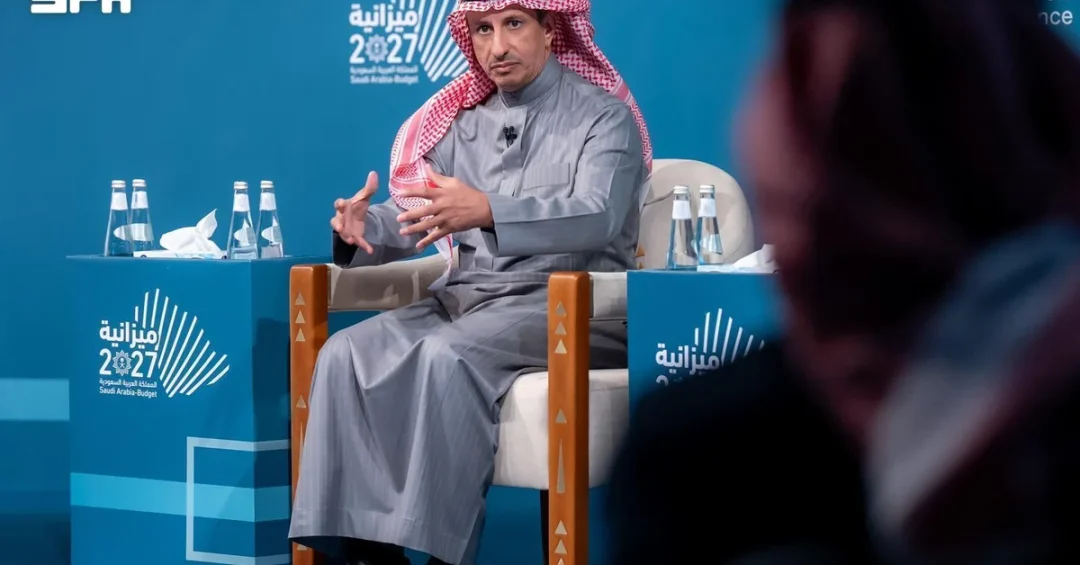
Saudi Arabia’s Ministry of Finance concluded the Budget Forum 2027 in Riyadh on Wednesday, 25 November 2026, bringing together ministers, senior officials, and leaders of government entities to review the Kingdom’s fiscal and economic directions, development priorities, and investment opportunities in promising sectors. The forum, held under the patronage of the Ministry of Finance, underscored the government’s commitment to transparency, fiscal resilience, and sustainable growth as it prepares the 2027 budget. Through two main dialogues and two panel discussions, participants examined how government decisions translate into tangible improvements in citizens’ lives and how the Kingdom is positioning itself for a diversified, post-oil future. What does this gathering reveal about Saudi Arabia’s spending priorities and its long-term development prospects?
The Budget Forum 2027 served as a key platform for outlining the Kingdom’s fiscal strategy amid regional and global economic uncertainties. It highlighted Saudi Arabia’s ability to maintain essential services, invest in infrastructure, and create employment opportunities while advancing Vision 2030. The event featured four stories under the “Decision and Impact” segment, covering food and water security, investment in human capital, access to healthcare, and real estate market balance. These narratives illustrated how government spending is directly enhancing the quality of life for citizens and residents. As the Kingdom continues its transformation, the forum provided a comprehensive look at the policies and investments shaping its economic future.
Context and Background
Why is fiscal resilience so critical for Saudi Arabia’s economic trajectory? The Budget Forum 2027, organized by the Ministry of Finance, comes at a time when the Kingdom is navigating a complex global landscape marked by fluctuating oil markets and regional challenges. The forum’s first dialogue, titled “Fiscal Resilience,” featured Minister of Finance Mohammed Aljadaan, who emphasized that stronger institutional capabilities and investments in infrastructure have enhanced the Kingdom’s ability to respond to challenges and changing circumstances. He highlighted continued growth in non-oil activities, consumption, and private investment despite external pressures, affirming that providing essential services, improving quality of life, and creating employment opportunities remain among the government’s foremost priorities. This focus on resilience reflects Saudi Arabia’s strategic shift toward a more diversified and sustainable economic model.
Aljadaan explained that growth in non-oil revenues has helped stabilize government spending, strengthen medium-term fiscal planning, and reduce exposure to fluctuations in oil revenues. He noted that the updated State Revenues Law aims to improve revenue management efficiency, clarify government entities’ responsibilities for revenue estimation and collection, and provide greater flexibility in addressing the obligations of affected sectors. This legislative update is part of broader efforts to enhance fiscal governance and ensure that government spending aligns with Vision 2030 objectives. The minister further explained that deficit management takes into account the nature of expenditure and its expected economic and social returns relative to financing costs. He affirmed that there is currently no need to draw on government reserves, given the diversity of revenue sources and the ability to access debt markets. He also stressed the importance of supporting the private sector and avoiding crowding it out in domestic financing markets, highlighting the complementary roles of the government, the Public Investment Fund, and the National Development Fund in enabling private sector growth. He affirmed the Kingdom’s fiscal readiness to meet the needs of the military and security sectors in protecting the nation, its citizens, and residents.
The forum also provided a platform to showcase the impact of government decisions on various sectors. As part of the “Decision and Impact” segment, Vice Minister of Environment, Water and Agriculture Mansour Al-Mushaiti outlined the impact of investment in food and water security. He explained that the Agricultural Development Fund had provided SAR40 billion in loans over ten years, enabling the private sector to invest more than SAR60 billion in agriculture. Domestic agricultural production increased from 6 million tonnes in 2015 to more than 13 million tonnes in 2025. He noted that the consumption of non-renewable groundwater had declined by more than 40% over the same period, while more than SAR247 billion had been invested in improving water services over ten years. He emphasized the importance of partnerships with the private sector, the localization of technology and knowledge, and resource conservation in achieving sustainability. These achievements demonstrate how targeted government spending can drive significant progress in critical areas.
Key Details
What are the key takeaways from the Budget Forum 2027? During the first panel discussion, titled “Logistics and Technological Capabilities Connecting the World,” Minister of Communications and Information Technology Abdullah Alswaha emphasized that investment in people and digital infrastructure has strengthened the Kingdom’s readiness and ensured the continuity of services and business operations. He highlighted the Kingdom’s first-place global ranking in digital government services and its achievement of the target of ranking among the top five countries in the overall index four years ahead of schedule. He explained that the next phase involves deploying artificial intelligence agents to deliver more integrated and proactive government services. He presented examples of technology applications across the energy, justice, health, and financial services sectors, highlighting the role of national programs in enabling technology companies and entrepreneurs to compete domestically and internationally. This forward-looking approach underscores Saudi Arabia’s commitment to leveraging technology for economic diversification and improved public services.
For his part, Minister of Transport and Logistic Services Saleh Al-Jasser emphasized that proactive planning and coordination between government entities and the private sector have enabled the transport ecosystem to maintain trade flows and supply chains and respond flexibly to changes in shipping routes and operational requirements, while continuing to implement the National Transport and Logistics Strategy. He explained that new investment commitments in the sector had reached SAR45 billion during the current year as of the date of the Forum. Employment across the ecosystem’s sectors had reached approximately 780,000 jobs, nearly three times the number recorded in 2019. He highlighted the role of specialized academies and partnerships with the private sector in developing national talent and aligning training with labor market needs. These figures illustrate the tangible outcomes of sustained investment in logistics and human capital.
In the “Investment in Human Capital” story, Vice Minister of Education Dr. Enas Al-Issa highlighted examples of male and female students from across the Kingdom pursuing their education at universities worldwide. She explained that developing the education ecosystem encompasses investment in early childhood, nurturing talent, expanding educational opportunities, and strengthening teachers’ capabilities. She noted that 70% of scholarship students study at the world’s top 50 universities, and that students had won more than 150 international awards and registered more than 30 patents during the current year. She emphasized the importance of high-quality educational opportunities aligned with national priorities in developing the capabilities of Saudi citizens. This focus on human capital is central to Vision 2030’s goal of building a knowledge-based economy.
During the second dialogue, titled “A Sustainable Economy,” Minister of Economy and Planning Faisal Alibrahim emphasized that diversifying sources of growth and income and increasing private sector participation have strengthened the national economy’s resilience. He explained that non-oil activities continued to grow in the third quarter of 2026, recording growth of 1.9% according to flash estimates, despite the challenges experienced across the region. He noted that the number of Saudis employed in the private sector had increased by 190,000 over a year, emphasizing that greater private sector participation and competitiveness contribute to productivity, job quality, and local content. He also explained that long-term planning, economic integration, and the strength of the domestic market support investor confidence, alongside the opportunities available in infrastructure and other economic sectors. These developments signal a maturing economy that is increasingly driven by the private sector.
In the “Access to Healthcare and the Beneficiary Experience” story, Assistant Minister of Health for Health Services Dr. Mohammed AlAbdulaali explained that the healthcare ecosystem had delivered more than 109 million health services during 2026 and completed 116 healthcare projects, comprising 15 new projects and 101 projects to upgrade and equip facilities. Healthcare coverage across population centers exceeded 97%. He explained that the Saudi Model of Care strengthens the integration of services, accelerates interventions, and facilitates access to healthcare. More than 11.5 million beneficiaries had benefited from its services, care pathways, and early detection programs. He also noted that the beneficiary experience score had risen to 89%, its highest level since measurement began in 2017. These improvements reflect the government’s commitment to enhancing public services and quality of life.
During the second panel discussion, titled “Investment Opportunities in Promising Sectors,” Minister of Tourism Ahmed Al-Khateeb emphasized that legislative and regulatory reforms, investment incentives, financing channels, and the development of national talent have contributed to the tourism sector’s growth and strengthened investor confidence. He highlighted the role of the Tourism Development Fund and the Air Connectivity Program in enabling investment and expanding access to destinations. He explained that the number of tourists reached 123 million and tourism spending totaled SAR304 billion in 2025, with targets of 150 million tourists and SAR550 billion in tourism spending by 2030. He added that investments over recent years had resulted in more than 500 hotels with over 100,000 rooms becoming operational across the Kingdom. A further 200,000 hotel rooms are under construction, with completion targeted by 2030. These ambitious targets demonstrate the Kingdom’s determination to become a global tourism destination.
For his part, Minister of Investment Fahad Al-Saif emphasized that clear spending priorities, continued reforms, and integrated infrastructure support investors’ ability to plan and expand. He explained that total investment in the Kingdom exceeded SAR6 trillion between 2021 and 2025, with domestic investment accounting for approximately 90% of the total. He noted that investment grew by 6% in the first half of 2026 compared with the same period of the previous year, and that 76 deals worth SAR95 billion had been executed across various sectors during the current year. He emphasized the importance of facilitating the investor journey, providing access to information and opportunities, and strengthening integration across sectors and regions to translate opportunities into investments that contribute to economic diversification and job creation. The “Decision and Impact” stories concluded with a presentation on real estate market balance by Chief Executive Officer of the Real Estate General Authority, Eng. Abdullah Al-Hammad, who explained that coordinated measures aimed to stimulate land development, increase supply, address the gap between supply and demand, and strengthen market stability. He noted that approximately 89,000 residential units had been delivered or were under development as a result of these measures.
International and Regional Impact
How does Saudi Arabia’s fiscal strategy influence its regional and global standing? The Budget Forum 2027 highlighted the Kingdom’s role as a stabilizing force in the region, with its focus on fiscal resilience and sustainable growth attracting international investors and partners. The minister of finance’s affirmation that there is no need to draw on reserves, thanks to diverse revenue sources and access to debt markets, sends a strong signal of economic stability. This stability is crucial for regional trade and investment flows, especially as neighboring economies face their own challenges. Saudi Arabia’s continued investment in infrastructure, logistics, and technology not only boosts its own competitiveness but also enhances connectivity across the Middle East, Africa, and Asia.
The forum’s emphasis on non-oil growth and private sector participation aligns with global trends toward diversification and sustainability. Saudi Arabia’s achievements in digital government services, ranking first globally, and its progress in tourism and logistics, position it as a leader in the post-oil economy. International observers note that the Kingdom’s ability to maintain spending on essential services while reducing reliance on oil revenues is a model for other resource-rich nations. Moreover, the Kingdom’s investments in human capital, with 70% of scholarship students at top 50 universities, are building a skilled workforce that can compete globally. These factors contribute to Saudi Arabia’s growing influence in international economic forums and its attractiveness as a destination for foreign direct investment.
Economic and Strategic Significance
What do the numbers reveal about Saudi Arabia’s economic direction? The figures presented at the forum paint a picture of a robust and diversifying economy. Non-oil activities grew by 1.9% in the third quarter of 2026, and the number of Saudis employed in the private sector increased by 190,000 over a year. Total investment exceeded SAR6 trillion between 2021 and 2025, with domestic investment accounting for 90% of the total. The tourism sector welcomed 123 million tourists in 2025, generating SAR304 billion in spending, with ambitious targets for 2030. The healthcare sector delivered over 109 million services in 2026 and achieved a beneficiary experience score of 89%. These indicators demonstrate that government spending priorities are effectively stimulating growth, creating jobs, and improving public services.
Strategically, the forum underscored the complementary roles of the government, the Public Investment Fund, and the National Development Fund in enabling private sector growth. The minister of finance stressed the importance of avoiding crowding out the private sector in domestic financing markets, ensuring that government borrowing does not hinder private investment. The updated State Revenues Law aims to improve revenue management efficiency and provide greater flexibility in addressing obligations. These measures are designed to strengthen fiscal sustainability and support long-term planning. The Kingdom’s fiscal readiness to meet military and security needs also reaffirms its commitment to national security and stability, which are prerequisites for economic prosperity.
Vision 2030 Alignment
How does the Budget Forum 2027 advance Vision 2030? The forum’s outcomes are deeply intertwined with Vision 2030’s goals of diversifying the economy, empowering the private sector, and enhancing quality of life. The emphasis on non-oil revenue growth, digital transformation, and human capital development directly supports the Vision’s pillars of a vibrant society, a thriving economy, and an ambitious nation. For instance, the deployment of AI agents for government services aligns with the Vision’s digital transformation objectives, while investments in tourism and logistics contribute to economic diversification. The focus on healthcare and education underscores the commitment to developing Saudi citizens’ capabilities and well-being.
As Saudi Arabia prepares for the 2027 budget, the Budget Forum has provided a clear roadmap for spending priorities that balance fiscal prudence with strategic investments. The Kingdom’s ability to maintain essential services, support the private sector, and invest in future-oriented sectors demonstrates its resilience and forward-looking approach. With continued reforms and a steadfast commitment to Vision 2030, Saudi Arabia is well-positioned to navigate global challenges and emerge as a leading diversified economy. The forum’s message is clear: the Kingdom is not only managing its finances responsibly but also laying the groundwork for a prosperous and sustainable future for all its citizens and residents. What does this mean for the world? A stable, growing Saudi Arabia is a positive force for global economic stability and a key partner in addressing shared challenges.
20 Questions
Q1. What was the purpose of the Budget Forum 2027?
A1. The Budget Forum 2027, organized by the Ministry of Finance, aimed to review Saudi Arabia’s fiscal and economic directions, development priorities, and investment opportunities in promising sectors, while assessing the impact of government decisions on citizens’ lives.
Q2. Who participated in the Budget Forum 2027?
A2. The forum brought together ministers, senior officials, and leaders of government entities, including the Minister of Finance, Minister of Communications and Information Technology, Minister of Transport and Logistic Services, and other key figures.
Q3. What did the Minister of Finance say about fiscal resilience?
A3. Minister Mohammed Aljadaan emphasized that stronger institutional capabilities and infrastructure investments have enhanced the Kingdom’s ability to respond to challenges, with continued growth in non-oil activities, consumption, and private investment despite regional and global conditions.
Q4. How has the growth in non-oil revenues affected government spending?
A4. Growth in non-oil revenues has helped stabilize government spending, strengthen medium-term fiscal planning, and reduce exposure to fluctuations in oil revenues, according to the Minister of Finance.
Q5. What is the updated State Revenues Law intended to achieve?
A5. The updated State Revenues Law aims to improve revenue management efficiency, clarify government entities’ responsibilities for revenue estimation and collection, and provide greater flexibility in addressing the obligations of affected sectors.
Q6. What did the Vice Minister of Environment, Water and Agriculture say about food security?
A6. Mansour Al-Mushaiti explained that the Agricultural Development Fund provided SAR40 billion in loans over ten years, enabling private sector investment of over SAR60 billion, and domestic agricultural production increased from 6 million tonnes in 2015 to over 13 million tonnes in 2025.
Q7. What progress has been made in water security?
A7. More than SAR247 billion has been invested in improving water services over ten years, and consumption of non-renewable groundwater declined by over 40% between 2015 and 2025, promoting sustainability.
Q8. What did the Minister of Communications and Information Technology highlight?
A8. Abdullah Alswaha highlighted Saudi Arabia’s first-place global ranking in digital government services and its achievement of ranking among the top five countries in the overall index four years ahead of schedule.
Q9. What is the next phase in digital government services?
A9. The next phase involves deploying artificial intelligence agents to deliver more integrated and proactive government services, with applications across energy, justice, health, and financial services sectors.
Q10. What did the Minister of Transport and Logistic Services report?
A10. Saleh Al-Jasser reported that new investment commitments in the transport sector reached SAR45 billion in 2026, and employment in the ecosystem reached approximately 780,000 jobs, nearly three times the number in 2019.
Q11. How is Saudi Arabia investing in human capital?
A11. Vice Minister of Education Dr. Enas Al-Issa noted that 70% of scholarship students study at the world’s top 50 universities, and students won over 150 international awards and registered more than 30 patents in the current year.
Q12. What did the Minister of Economy and Planning say about economic diversification?
A12. Faisal Alibrahim emphasized that diversifying growth sources and increasing private sector participation have strengthened the economy, with non-oil activities growing 1.9% in Q3 2026 and 190,000 more Saudis employed in the private sector over a year.
Q13. What improvements were reported in healthcare?
A13. Dr. Mohammed AlAbdulaali reported that the healthcare ecosystem delivered over 109 million services in 2026, completed 116 projects, achieved over 97% healthcare coverage, and raised the beneficiary experience score to 89%.
Q14. What are the tourism sector’s targets for 2030?
A14. Minister Ahmed Al-Khateeb stated that Saudi Arabia aims to attract 150 million tourists and achieve SAR550 billion in tourism spending by 2030, building on 123 million tourists and SAR304 billion in 2025.
Q15. How many hotel rooms are under construction?
A15. More than 500 hotels with over 100,000 rooms are already operational, and an additional 200,000 hotel rooms are under construction, with completion targeted by 2030.
Q16. What did the Minister of Investment say about investment growth?
A16. Fahad Al-Saif noted that total investment exceeded SAR6 trillion between 2021 and 2025, with domestic investment accounting for 90%, and investment grew 6% in H1 2026 compared to the previous year.
Q17. What measures are being taken to balance the real estate market?
A17. Eng. Abdullah Al-Hammad explained that coordinated measures aim to stimulate land development, increase supply, address the supply-demand gap, and strengthen market stability, with approximately 89,000 residential units delivered or under development.
Q18. How does the forum address military and security needs?
A18. The Minister of Finance affirmed the Kingdom’s fiscal readiness to meet the needs of the military and security sectors in protecting the nation, its citizens, and residents, ensuring national security and stability.
Q19. What role do government funds play in supporting the private sector?
A19. The government, Public Investment Fund, and National Development Fund play complementary roles to enable private sector growth, with the government avoiding crowding out the private sector in domestic financing markets.
Q20. How does the Budget Forum 2027 align with Vision 2030?
A20. The forum’s focus on non-oil growth, digital transformation, human capital, healthcare, tourism, and investment directly supports Vision 2030’s goals of economic diversification, private sector empowerment, and enhanced quality of life.
Reader Feedback
We value your thoughts. Please share your feedback on this article.
Your feedback helps us improve our coverage.
Related articles
 Saudi Arabia Offers $1 Trillion Infrastructure Investment
 Budget 2027 Forum Highlights Saudi Economic Resilience
 Investment Minister: 2027 Budget Boosts Growth, Competitiveness
 Saudi 2027 Budget Prioritizes Essential Services and Growth
 Kidana Path Initiative Empowers Cottage Industry Families
 Najrani Wheat Planting Season Kicks Off in Najran