


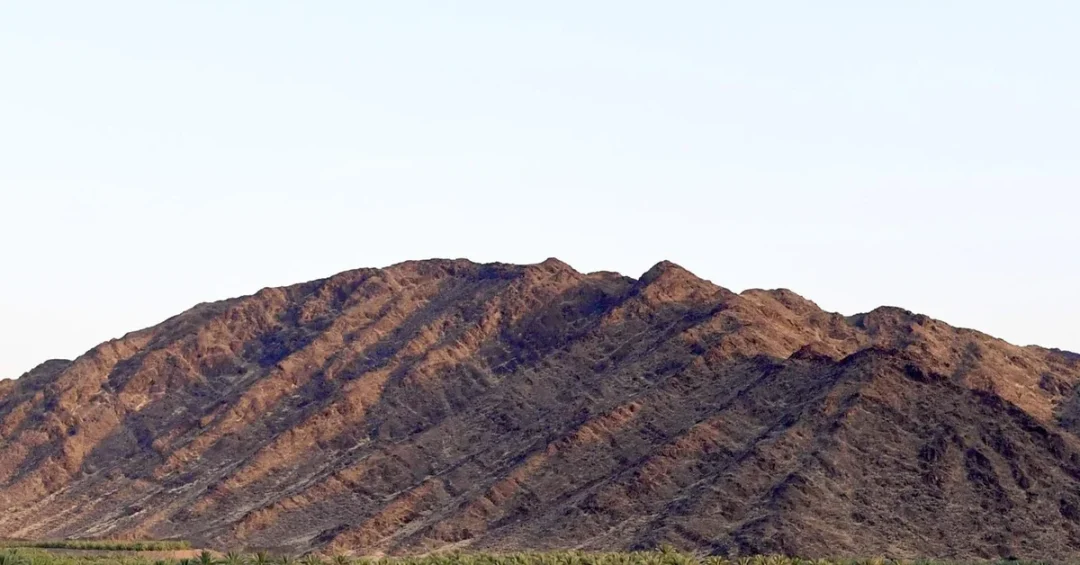
Madinah Region recorded a 19.3% increase in open-field vegetable production and a 9.6% rise in greenhouse vegetable output in 2025, according to statistics released by AlMadinah AlMunawarah Chamber. The region also produced 402,500 tons of dates, a 16% year-on-year increase, representing 19.5% of the Kingdom’s total date production. These figures underscore the region’s expanding role in Saudi Arabia’s agricultural sector and its alignment with Vision 2030 goals for food security and economic diversification. The data, published via the Saudi Press Agency (SPA), highlight Madinah’s growing contribution to national agricultural output and its potential for further investment.
With 8.2 million date palm trees—approximately 21.6% of the Kingdom’s total—Madinah ranks third nationally in date production, behind Qassim (29%) and Riyadh (24.3%). The region’s agricultural success is not limited to dates; its share of national grain production reached 8.9%. These achievements reflect the region’s fertile lands, favorable climate, and the dedicated efforts of local farmers, supported by government initiatives. As Saudi Arabia continues to prioritize sustainable agriculture, Madinah’s performance offers a model for other regions. How did this region achieve such robust growth, and what does it mean for the Kingdom’s broader economic ambitions?
Context and Background
Agriculture has long been a cornerstone of Madinah’s economy, leveraging its historical oasis heritage and strategic location. The region’s date palm cultivation dates back centuries, but modern techniques and government support have transformed it into a high-yield sector. The Ministry of Environment, Water and Agriculture has implemented programs to enhance irrigation efficiency, provide quality seedlings, and promote organic farming. These efforts are part of the National Agriculture Strategy 2030, which aims to achieve food security, sustainable development, and increased contributions to GDP. Madinah’s farmers have embraced these initiatives, resulting in the impressive 2025 statistics.
The growth in vegetable production—both open-field and greenhouse—demonstrates the region’s adaptability to modern agricultural practices. Open-field vegetable output surged by 19.3%, while greenhouse production rose by 9.6%, indicating a dual approach to meeting domestic demand and reducing reliance on imports. This is crucial as Saudi Arabia seeks to diversify its economy away from oil. The AlMadinah AlMunawarah Chamber, which released the statistics, plays a vital role in fostering private-sector investment and providing market intelligence. Its reports are instrumental in guiding policymakers and entrepreneurs toward high-potential sectors.
Moreover, the region’s agricultural success is intertwined with its cultural and religious significance. As the site of the Prophet’s Mosque, Madinah attracts millions of pilgrims annually, creating a steady demand for local produce. The date industry, in particular, benefits from this connection, as dates are a traditional gift and a staple during Ramadan. The chamber’s data not only quantifies output but also highlights investment opportunities that can further integrate agriculture with tourism and hospitality. Could this synergy become a blueprint for other regions aiming to blend heritage with modern economic drivers?
Key Details
The statistics reveal a comprehensive picture of Madinah’s agricultural prowess. Date production reached 402,500 tons in 2025, up 16% from the previous year. This places the region third nationally, with Qassim and Riyadh leading at 29% and 24.3% respectively. The 8.2 million date palm trees in Madinah account for 21.6% of the Kingdom’s total, underscoring the region’s vast capacity. The chamber also noted that Madinah contributes 8.9% to national grain production, a figure that, while smaller, indicates diversification beyond dates. These numbers are not just statistics; they represent the livelihoods of thousands of farmers and the economic vitality of the region.
Investment opportunities identified by the chamber include date processing and packaging, smart greenhouse development, organic fertilizer production from date palms, and the cultivation of aromatic and medicinal plants. These areas align with global trends toward value-added agricultural products and sustainable practices. For instance, date processing can extend shelf life, create jobs, and boost exports. Smart greenhouses optimize water and energy use, critical in Saudi Arabia’s arid climate. Organic fertilizers from date palm waste offer an eco-friendly alternative to chemical inputs, while aromatic and medicinal plants cater to growing wellness markets. Each opportunity leverages Madinah’s existing strengths and resources.
The chamber’s emphasis on these sectors suggests a strategic shift from raw production to processing and innovation. This approach can increase profit margins, reduce waste, and create skilled employment. It also supports the Kingdom’s goal of becoming a global leader in sustainable agriculture. The data and recommendations are based on official sources, providing a reliable foundation for investors and policymakers. How can stakeholders best capitalize on these opportunities to maximize both economic and environmental returns?
International and Regional Impact
Madinah’s agricultural growth has implications beyond Saudi Arabia’s borders. As a major date producer, the Kingdom is a key player in the global date market, which is valued at billions of dollars. Increased output from Madinah can enhance Saudi Arabia’s export capacity, particularly to markets in Asia, Europe, and North America where demand for healthy, natural sweeteners is rising. This contributes to the national economy and strengthens trade relationships. Regionally, Madinah’s success can inspire neighboring GCC countries to invest in sustainable agriculture, fostering collaboration and knowledge exchange.
Furthermore, the focus on smart greenhouses and organic fertilizers positions Saudi Arabia as a technology adopter in agriculture. This can attract international partnerships and foreign direct investment. For example, companies specializing in agri-tech may see Madinah as a promising market for their solutions. The region’s ability to produce high-quality dates and vegetables also supports food security in the Middle East, a region heavily reliant on imports. By reducing import dependence, Saudi Arabia can mitigate supply chain risks and contribute to regional stability. What role might Madinah play in a future where food security is a top global priority?
Economic and Strategic Significance
Agriculture is a vital component of Saudi Arabia’s economic diversification strategy. The sector contributes to GDP, employment, and rural development. Madinah’s growth in vegetable and date production adds to this momentum. The 19.3% increase in open-field vegetables and 9.6% in greenhouse output means more local produce available year-round, reducing reliance on imports and stabilizing prices. For consumers, this translates to fresher, more affordable food. For farmers, it means higher incomes and incentives to adopt modern techniques. The chamber’s report underscores that agriculture is not just a traditional activity but a modern, profitable industry.
Strategically, Madinah’s agricultural output supports the Kingdom’s food security objectives. By increasing domestic production, Saudi Arabia can better withstand global market fluctuations and geopolitical disruptions. The date industry, in particular, has cultural and religious significance, making it a strategic asset. The investment opportunities highlighted—processing, packaging, greenhouses, organic fertilizers, and medicinal plants—are all aligned with Vision 2030’s goals of economic diversification, private-sector growth, and job creation. They also promote environmental sustainability through efficient resource use. How can the government and private sector collaborate to unlock the full potential of these opportunities?
Vision 2030 Alignment
Madinah’s agricultural achievements are a clear reflection of Vision 2030’s objectives. The Vision aims to diversify the economy, enhance food security, and promote sustainable development. The region’s growth in vegetable and date production directly contributes to these goals. The focus on smart greenhouses and organic fertilizers aligns with the Vision’s emphasis on innovation and environmental stewardship. Moreover, the investment opportunities identified by the chamber can attract private-sector participation, a key pillar of Vision 2030. By empowering local farmers and entrepreneurs, Madinah is becoming a model for inclusive growth.
As Saudi Arabia continues its transformation, Madinah’s agricultural sector will play an increasingly important role. The region’s ability to blend tradition with modernity—preserving its date palm heritage while adopting cutting-edge technologies—exemplifies the Vision’s spirit. The statistics for 2025 are not just numbers; they are a testament to what can be achieved when government support, private initiative, and community effort converge. With continued investment and innovation, Madinah can further expand its output, create jobs, and contribute to the Kingdom’s global standing as a leader in sustainable agriculture. What will the next decade bring for this historic region as it cultivates its future?
20 Questions
Q1. What was the increase in open-field vegetable production in Madinah in 2025?
A1. Open-field vegetable production in Madinah increased by 19.3% in 2025, according to statistics from AlMadinah AlMunawarah Chamber. This growth reflects the region’s expanding agricultural capacity and adoption of improved farming practices.
Q2. How much did greenhouse vegetable production rise in Madinah in 2025?
A2. Greenhouse vegetable production rose by 9.6% in 2025. This indicates a growing trend toward controlled-environment agriculture, which enhances water efficiency and yields year-round.
Q3. What was Madinah’s total date production in 2025?
A3. Madinah produced 402,500 tons of dates in 2025, a 16% increase from the previous year. This output represents 19.5% of the Kingdom’s total date production.
Q4. How does Madinah rank nationally in date production?
A4. Madinah ranks third nationally in date production, behind Qassim (29%) and Riyadh (24.3%). Its 19.5% share highlights its significant contribution to the sector.
Q5. How many date palm trees are in Madinah Region?
A5. Madinah Region has 8.2 million date palm trees, accounting for approximately 21.6% of the Kingdom’s total. This vast resource underpins the region’s leading role in date cultivation.
Q6. What percentage of national grain production comes from Madinah?
A6. Madinah contributes 8.9% to national grain production. While smaller than its date output, this shows agricultural diversification and food security contributions.
Q7. What investment opportunities in agriculture did the chamber highlight?
A7. The chamber highlighted date processing and packaging, smart greenhouse development, organic fertilizer production from date palms, and cultivation of aromatic and medicinal plants. These areas offer high growth potential.
Q8. Why is date processing and packaging important for Madinah?
A8. Date processing and packaging add value, extend shelf life, and create jobs. It also boosts export potential, aligning with Vision 2030’s economic diversification goals.
Q9. How do smart greenhouses benefit agriculture in Madinah?
A9. Smart greenhouses optimize water and energy use, crucial in arid climates. They enable year-round production and higher yields, supporting sustainable agriculture.
Q10. What are the benefits of organic fertilizers from date palms?
A10. Organic fertilizers from date palm waste offer an eco-friendly alternative to chemical inputs, reducing environmental impact and promoting circular economy practices.
Q11. What is the significance of aromatic and medicinal plant cultivation?
A11. Aromatic and medicinal plants cater to growing wellness and natural product markets. Their cultivation diversifies income streams for farmers and taps into global demand.
Q12. How does Madinah’s agricultural growth support Saudi food security?
A12. Increased local production reduces reliance on imports, stabilizes food supply, and mitigates global market risks, enhancing national food security.
Q13. What role does the Ministry of Environment, Water and Agriculture play?
A13. The ministry implements programs to enhance irrigation, provide quality seedlings, and promote organic farming, supporting farmers and sustainable practices.
Q14. How does Vision 2030 relate to Madinah’s agricultural sector?
A14. Vision 2030 aims to diversify the economy, enhance food security, and promote sustainability. Madinah’s growth in dates and vegetables directly contributes to these objectives.
Q15. What is the National Agriculture Strategy 2030?
A15. It is a strategic framework to achieve food security, sustainable development, and increased GDP contribution from agriculture, guiding investments and policies.
Q16. How can Madinah’s agricultural success impact regional trade?
A16. Increased output can boost exports to Asia, Europe, and North America, strengthening trade relationships and positioning Saudi Arabia as a key global supplier.
Q17. What makes Madinah’s climate suitable for date palm cultivation?
A17. Madinah’s hot, arid climate with abundant sunshine and traditional oasis water sources provides ideal conditions for date palms, which thrive in such environments.
Q18. How does agriculture contribute to rural development in Madinah?
A18. Agriculture provides employment, income, and infrastructure development in rural areas, reducing migration to cities and supporting local communities.
Q19. What are the environmental benefits of smart greenhouse technology?
A19. Smart greenhouses reduce water consumption, minimize pesticide use, and lower carbon footprint by optimizing growing conditions, thus promoting environmental sustainability.
Q20. What future prospects does Madinah’s agricultural sector hold?
A20. With continued investment and innovation, Madinah can expand output, create jobs, and become a model for sustainable agriculture, contributing to Saudi Arabia’s global leadership.
Reader Feedback
We value your thoughts. Please share your feedback on this article.
Your feedback helps us improve our coverage.
Related articles
 64 Projects Open for Feedback via Istitlaa Platform
 Gulf Coast Development Signs 18 Brokerage Agreements
 Seafood Fest Opens in Eastern Region
 Saudi Franchise Expo Draws over 800 Brands from 50 Countries to Jeddah
 Budget Forum 2027: Saudi Spending Priorities and Prospects
 Saudi Trade Hits SAR189B with SAR41B Surplus