


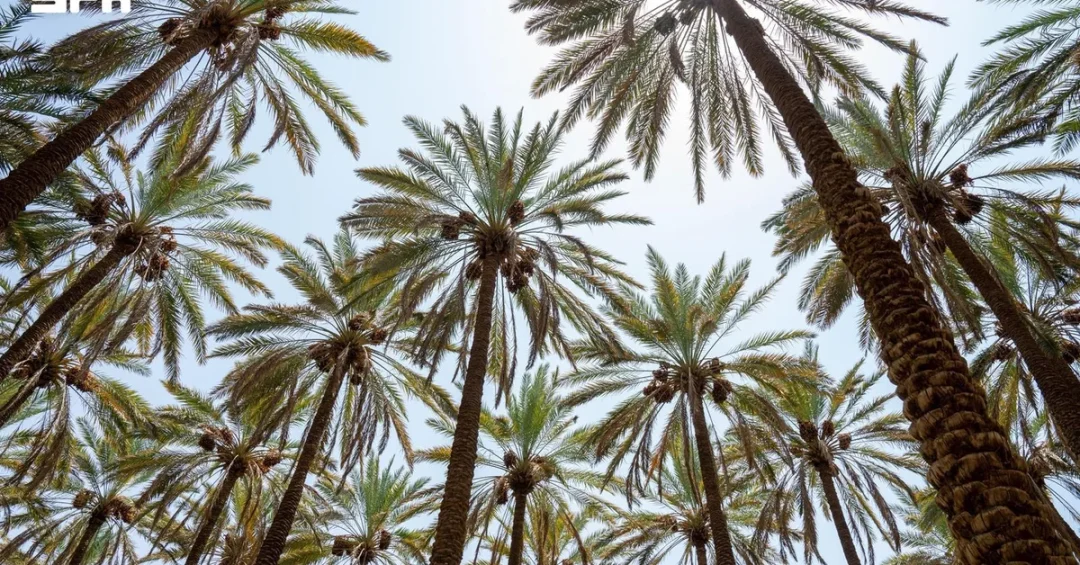
The seventh edition of the AlUla Dates Season concluded on November 21, 2026, after a 10-week program that drew strong turnout from residents and visitors, according to the Saudi Press Agency (SPA). Organized by the Royal Commission for AlUla (RCU) under the Khayrat AlUla agricultural program, the season showcased AlUla’s rich date palm heritage and provided a vital economic platform for local farmers. The events, which ran from September 18 to November 21, 2026, featured a dates auction at Mohammed Yousuf Naghi AlFursan Equestrian Village, National Day celebrations, and family activities at AlManshiyah Farmers Market. The season highlighted the role of the date palm in AlUla’s agricultural life and local heritage, introducing visitors to the region’s date varieties, including Barni, Medjool, Helwa Hamra, Anbara, and Safawi.
Have you ever wondered how a simple fruit can tell the story of a region’s past and its future? In AlUla, the date palm is more than a crop; it is a symbol of resilience, identity, and sustainable development. The 2026 AlUla Dates Season demonstrated how traditional agriculture can be transformed into a modern economic driver, aligning with Saudi Arabia’s Vision 2030 goals. The event attracted 311 sellers and 166 buyers, resulting in 1,403.78 metric tons of dates sold at auction alone. With additional sales at AlManshiyah Farmers Market, total dates sold reached 1,405.175 metric tons. This impressive turnout underscores the growing appeal of AlUla as a destination for cultural and agricultural tourism, and the success of RCU’s efforts to create sustainable income sources for the local community.
Context and Background
What makes the AlUla Dates Season a cornerstone of the region’s agricultural calendar? The season is one of several agricultural events under the Khayrat AlUla program, which was launched by the Royal Commission for AlUla to celebrate and promote the region’s agricultural diversity. AlUla is home to more than 4.2 million date palms spread across 16,484 hectares, making it one of the Kingdom’s most significant date-producing areas. The program not only supports farmers in marketing their products but also introduces visitors to the unique varieties of dates grown in AlUla, such as Barni, Medjool, Helwa Hamra, Anbara, and Safawi. These varieties are prized for their distinct flavors and textures, reflecting the region’s rich agricultural heritage.
The seventh edition of the Dates Season built on the success of previous years, expanding its reach and impact. The auction, held every weekend at Mohammed Yousuf Naghi AlFursan Equestrian Village, provided a competitive platform for farmers to sell their harvest to buyers from across the Kingdom and beyond. The AlManshiyah Farmers Market, which operated from September 18 to 27, 2026, offered a more direct sales channel, allowing farmers and local producers to interact with visitors and sell their products face-to-face. This dual approach ensured that both large-scale buyers and individual consumers could participate in the season, contributing to its overall success.
The season also coincided with National Day celebrations, adding a festive atmosphere to the events. Families enjoyed a range of activities, including showcases by local home-based producers and children’s programming at AlManshiyah Farmers Market. These elements helped to position the Dates Season as more than just an agricultural event; it became a community gathering that celebrated AlUla’s cultural heritage and natural bounty. By integrating entertainment and education, the RCU aimed to foster a deeper appreciation for the date palm and its role in Saudi society.
Key Details
How did the auction and market perform in terms of sales and participation? The dates auction, held every weekend for 10 weeks, proved to be a resounding success. A total of 1,403.78 metric tons of dates were sold, with 311 sellers and 166 buyers taking part. This competitive bidding process not only ensured fair prices for farmers but also attracted high-quality dates from across the region. The auction served as a vital link between producers and large-scale buyers, facilitating transactions that might otherwise be difficult to arrange. The presence of 166 buyers indicates strong demand for AlUla’s dates, both within Saudi Arabia and internationally.
At AlManshiyah Farmers Market, sales totaled 1.395 metric tons, a modest but significant figure that highlights the importance of direct-to-consumer sales. This market allowed smaller producers and home-based businesses to reach visitors directly, bypassing intermediaries and retaining a larger share of the profits. The combination of auction and market sales brought the total volume of dates sold during the 2026 season to 1,405.175 metric tons. This figure represents a substantial economic injection into the local economy, supporting farmers, their families, and related businesses such as packaging, transport, and hospitality.
The season also featured educational and cultural components. Visitors had the opportunity to learn about the different date varieties and the traditional practices behind their cultivation. Children’s programming at AlManshiyah Farmers Market engaged younger generations, teaching them about the importance of agriculture and sustainability. These initiatives align with the RCU’s broader mission to preserve AlUla’s heritage while promoting economic development. The emphasis on family activities and local producers helped to create a welcoming atmosphere that appealed to both residents and tourists.
International and Regional Impact
Could the AlUla Dates Season serve as a model for other regions in Saudi Arabia and beyond? The event’s success demonstrates how agricultural heritage can be leveraged to drive tourism and economic growth. By attracting visitors from across the Kingdom and abroad, the season boosts AlUla’s profile as a premier destination for cultural and nature-based tourism. The RCU’s integrated approach—combining auctions, markets, and family activities—creates a template that other regions could adapt to their own agricultural products. This could lead to a more diversified tourism offering across Saudi Arabia, aligning with Vision 2030’s goal of increasing the sector’s contribution to GDP.
Regionally, the Dates Season strengthens AlUla’s connections with neighboring countries and trading partners. Dates are a staple in Middle Eastern cuisine and culture, and AlUla’s unique varieties are increasingly sought after in global markets. The auction attracted buyers from various countries, facilitating export opportunities and enhancing Saudi Arabia’s reputation as a producer of high-quality dates. Furthermore, the event promotes cultural exchange, as international visitors learn about the history and significance of date palms in Saudi heritage. This soft power diplomacy complements the Kingdom’s broader efforts to engage with the world through tourism and trade.
Economic and Strategic Significance
What does the success of the Dates Season mean for Saudi Arabia’s economic diversification? The agricultural sector is a key pillar of Vision 2030, which aims to reduce dependence on oil and create sustainable sources of income. The RCU has set a strategic goal of growing the agriculture sector’s contribution to GDP to approximately 15% by 2035. The Dates Season directly supports this target by providing farmers with reliable markets and encouraging investment in date palm cultivation. The 1,405.175 metric tons of dates sold in 2026 represent not just a financial transaction but also a step toward a more resilient and diversified economy.
Moreover, the season generates employment opportunities across the value chain. From farmers and harvesters to auctioneers, market vendors, and hospitality staff, the event creates jobs and supports small businesses. The focus on local home-based producers empowers women and youth, who often run these micro-enterprises. By integrating them into the formal economy, the RCU helps to build a more inclusive and dynamic society. The revenue generated from date sales can be reinvested into community development, education, and infrastructure, creating a virtuous cycle of growth.
Vision 2030 Alignment
How does the AlUla Dates Season embody the principles of Saudi Vision 2030? At its core, Vision 2030 seeks to transform the Kingdom into a global investment powerhouse and a hub for tourism and culture. The Dates Season exemplifies this by turning a traditional agricultural practice into a modern, market-driven event that attracts international attention. It showcases AlUla’s unique assets—its natural beauty, heritage, and agricultural products—while creating economic opportunities for local communities. The RCU’s efforts to promote sustainable agriculture and tourism are directly in line with the Vision’s objectives of diversifying the economy and enhancing the quality of life for citizens.
Looking ahead, the continued success of the Dates Season will contribute to Saudi Arabia’s long-term vision of becoming a leading destination for cultural and agricultural tourism. By preserving and promoting its date palm heritage, AlUla not only honors its past but also builds a prosperous future. The 2026 season’s strong turnout from residents and visitors is a testament to the enduring appeal of this tradition and its potential to drive sustainable development. As the Kingdom continues on its transformative journey, events like the AlUla Dates Season will play a vital role in showcasing the best of Saudi Arabia to the world.
20 Questions
Q1. What was the seventh edition of the AlUla Dates Season?
A1. It was a 10-week program of events organized by the Royal Commission for AlUla, held from September 18 to November 21, 2026, featuring a dates auction, National Day celebrations, and family activities at AlManshiyah Farmers Market.
Q2. Who organized the AlUla Dates Season?
A2. The season was organized by the Royal Commission for AlUla (RCU) under the Khayrat AlUla agricultural program, which aims to support farmers and promote AlUla’s agricultural heritage.
Q3. Where was the dates auction held?
A3. The auction took place at Mohammed Yousuf Naghi AlFursan Equestrian Village every weekend for 10 weeks, providing a platform for farmers to sell their dates through competitive bidding.
Q4. How many metric tons of dates were sold at the auction?
A4. A total of 1,403.78 metric tons of dates were sold at the auction, according to the Saudi Press Agency.
Q5. How many sellers and buyers participated in the auction?
A5. There were 311 sellers and 166 buyers who took part in the auction, demonstrating strong interest from both producers and purchasers.
Q6. What was the total volume of dates sold during the season?
A6. Including sales at AlManshiyah Farmers Market, the total volume of dates sold during the 2026 AlUla Dates Season was 1,405.175 metric tons.
Q7. What date varieties were highlighted during the season?
A7. The season introduced visitors to AlUla’s date varieties, including Barni, Medjool, Helwa Hamra, Anbara, and Safawi, each with unique flavors and characteristics.
Q8. How many date palms are there in AlUla?
A8. AlUla is home to more than 4.2 million date palms spread across 16,484 hectares, making it a significant date-producing region in Saudi Arabia.
Q9. What is the Khayrat AlUla program?
A9. Khayrat AlUla is an agricultural program by the RCU that brings together the region’s agricultural seasons and events, helping farmers market their products and introducing visitors to AlUla’s agricultural output.
Q10. What was the strategic goal mentioned for the agriculture sector?
A10. The RCU aims to grow the agriculture sector’s contribution to GDP to approximately 15% by 2035, as part of its vision of creating sustainable sources of income.
Q11. When did the AlUla Dates Season kick off?
A11. The season kicked off on September 18, 2026, and ran for 10 weeks, concluding on November 21, 2026.
Q12. What role did AlManshiyah Farmers Market play?
A12. AlManshiyah Farmers Market served as a second venue from September 18 to 27, 2026, allowing farmers and local producers to sell directly to visitors, with sales totaling 1.395 metric tons.
Q13. What other activities were part of the season?
A13. The season included National Day celebrations, family activities, showcases by local home-based producers, and children’s programming at AlManshiyah Farmers Market.
Q14. How does the Dates Season support local farmers?
A14. It provides a platform for farmers to showcase and market their dates through auctions and direct sales, connecting them with buyers and ensuring fair prices for their harvest.
Q15. What is the significance of the date palm in AlUla?
A15. The date palm is central to AlUla’s agricultural life and local heritage, symbolizing resilience and providing economic and cultural value to the community.
Q16. How does the Dates Season align with Vision 2030?
A16. It supports economic diversification by boosting the agriculture sector, creating jobs, and promoting tourism, all of which are key objectives of Saudi Vision 2030.
Q17. What impact does the season have on tourism in AlUla?
A17. It attracts visitors from across the Kingdom and abroad, enhancing AlUla’s reputation as a cultural and agricultural tourism destination, and supporting the local hospitality sector.
Q18. Who benefited from the Dates Season?
A18. Local farmers, home-based producers, small businesses, and the broader community benefited through increased sales, job opportunities, and enhanced regional profile.
Q19. What are the future prospects for the AlUla Dates Season?
A19. With growing demand for AlUla’s dates and increasing visitor numbers, future seasons are expected to expand, further contributing to the region’s economy and cultural preservation.
Q20. How can international audiences engage with AlUla’s agricultural heritage?
A20. International audiences can visit AlUla during the Dates Season, participate in guided tours, purchase authentic dates, and learn about the region’s sustainable agricultural practices through RCU initiatives.
Reader Feedback
We value your thoughts. Please share your feedback on this article.
Your feedback helps us improve our coverage.
Related articles
 Exel Gaming Accelerator Invests SAR23.6M in 21 Saudi Startups
 Saudi Transport Investments to Hit SAR45B in 2026
 PIF Secures Inaugural A+ Rating from S&P with Stable Outlook
 REGA CEO: Real Estate Balance Cuts Riyadh Prices in 200+ Districts
 Saudi Arabia Offers $1 Trillion Infrastructure Investment
 Budget 2027 Forum Highlights Saudi Economic Resilience