


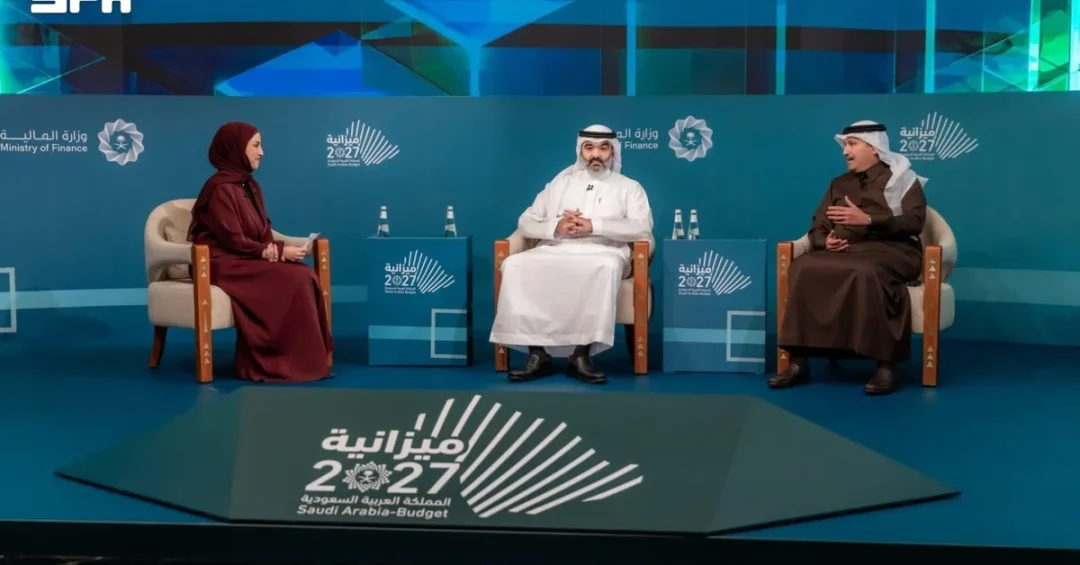
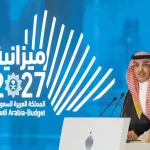
Saudi Arabia’s transport and logistics sector is poised to attract SAR45 billion in new investment commitments in 2026, according to Minister of Transport and Logistic Services Saleh Al-Jasser, who revealed that the Kingdom has already surpassed several Saudi Vision 2030 targets ahead of schedule. Speaking at the Budget 2027 Forum in Riyadh on November 25, 2026, Al-Jasser outlined a comprehensive picture of a sector undergoing rapid transformation, driven by strong public-private partnerships and sustained leadership support. The announcement underscores the Kingdom’s growing role as a global logistics hub connecting three continents.
Al-Jasser’s remarks, delivered during a panel discussion titled “Logistical and Technical Capabilities Connecting the World,” highlighted the integrated nature of the sector, which encompasses civil aviation, transport, roads, and ports under a unified regulatory and legislative framework. He emphasized that the private sector is the main driver of investment, with hundreds of billions of riyals already committed by major international companies. The minister’s address comes at a time when Saudi Arabia is accelerating efforts to diversify its economy away from oil, with transport and logistics identified as a key pillar of Vision 2030. The sector’s progress, despite regional challenges, signals the resilience and attractiveness of the Saudi market to global investors.
Context and Background
How did Saudi Arabia’s transport and logistics sector become one of the most dynamic in the region? The transformation began with the launch of the National Transport and Logistics Strategy in 2021, a comprehensive plan designed to position the Kingdom as a global logistics hub linking Asia, Europe, and Africa. The strategy set ambitious targets, including increasing the sector’s contribution to GDP and boosting non-oil revenues. Under the leadership of Minister Al-Jasser, the sector has consistently exceeded expectations, with several Vision 2030 targets achieved years ahead of schedule. This early success is a testament to the Kingdom’s strategic planning and execution capabilities.
The Budget 2027 Forum, held in Riyadh, provided a platform for government officials and private sector leaders to discuss fiscal and economic priorities. Al-Jasser’s participation underscored the importance of transport and logistics to the national economy. He noted that the sector operates as an integrated system, with close coordination between regulatory bodies and the private sector. This collaborative approach has attracted significant foreign direct investment, including from global shipping giant Maersk, which operates its largest logistics zone worldwide at Jeddah Islamic Port. The zone has reached full occupancy, prompting Maersk to explore further investment opportunities in the Kingdom.
The minister also highlighted the role of the private sector in driving innovation and efficiency. “The private sector is the main driver of investment and resources underpinning the National Transport and Logistics Strategy,” he said, noting that the Kingdom has attracted hundreds of billions of riyals in high-quality investments from major international companies in recent years. This influx of capital has enabled the development of world-class infrastructure, from modern ports to high-speed rail networks, positioning Saudi Arabia as a leader in regional connectivity.
Key Details
What specific projects are driving the sector’s growth? Al-Jasser provided a detailed overview of ongoing and planned initiatives. At Jeddah Islamic Port, which now hosts 17 integrated logistics zones, multibillion-riyal investment agreements were signed this year with CMA CGM to develop a new terminal, alongside contracts for five additional logistics zones. These developments are expected to significantly boost the port’s capacity and efficiency, reinforcing its status as a key gateway for trade on the Red Sea. The minister also noted that the private sector’s confidence is reflected in the full occupancy of Maersk’s logistics zone, with the company seeking further expansion opportunities.
In the railway sector, the Kingdom is making substantial strides. Al-Jasser announced the procurement of 20 new trainsets for the Haramain High-Speed Railway, which connects Makkah and Madinah, in addition to new rolling stock for the Eastern, Northern, and mining railway lines. Contracts have also been signed to double-track the mining railway line, which supports the transportation of three types of minerals, enhancing the efficiency of the Kingdom’s mining sector. Furthermore, the project to connect the Kingdom’s railway networks through a link in Riyadh has reached its final tendering stage, and efforts are underway to complete the Landbridge project in partnership with the private sector. These rail initiatives are set to improve freight and passenger connectivity across the country.
Human capital development is another cornerstone of the sector’s progress. Al-Jasser revealed that women’s participation in the transport and logistics sector has risen to 33% of the workforce, while the Saudization rate in leadership and highly skilled positions has reached approximately two-thirds. He attributed this achievement to the establishment of specialized academies offering internationally recognized training programs closely linked to private-sector employment needs. Technological advances have also transformed jobs such as operating large port cranes and driving modern trains, including those on the Haramain High-Speed Railway and Al Mashaaer Al Mugaddassah Metro, into advanced career opportunities for Saudi men and women. This focus on skills and inclusion is helping to build a sustainable, knowledge-based workforce.
International and Regional Impact
How does Saudi Arabia’s transport and logistics progress affect the wider region and global trade? The Kingdom’s investments are creating new trade corridors and enhancing connectivity between Asia, Europe, and Africa. The expansion of Jeddah Islamic Port and the development of logistics zones are attracting major international shipping lines, such as Maersk and CMA CGM, which are integrating Saudi Arabia into their global networks. This not only boosts the Kingdom’s non-oil exports but also strengthens its position as a pivotal hub for transshipment and value-added logistics services. The Haramain High-Speed Railway, with its new trainsets, is expected to enhance pilgrimage travel and tourism, further integrating the region’s cultural and economic ties.
Regionally, Saudi Arabia’s advancements are setting a benchmark for other Gulf Cooperation Council (GCC) countries. The Kingdom’s success in attracting foreign investment and developing integrated logistics infrastructure demonstrates the potential of strategic planning and public-private collaboration. The Landbridge project, which aims to connect the Red Sea and the Arabian Gulf via rail, will facilitate faster and more efficient movement of goods across the Arabian Peninsula, reducing reliance on maritime routes around the peninsula. This is particularly significant for regional trade and could enhance economic integration among GCC states. Moreover, the focus on sustainable and smart transport solutions aligns with global trends, positioning Saudi Arabia as a leader in the adoption of new technologies and green logistics.
Economic and Strategic Significance
Why does the SAR45 billion investment figure matter for Saudi Arabia’s economy? The transport and logistics sector is a critical enabler of economic diversification, one of the core objectives of Vision 2030. By attracting substantial investments, the Kingdom is not only creating jobs and stimulating local industries but also enhancing its competitiveness as a global logistics hub. The sector’s growth contributes to non-oil GDP, reduces dependence on hydrocarbon revenues, and supports the development of related sectors such as manufacturing, trade, and tourism. The minister’s announcement of SAR45 billion in new commitments for 2026 signals strong investor confidence and the effectiveness of ongoing reforms.
Strategically, the investments are aligned with Saudi Arabia’s goal to become a top 10 global logistics performer. The expansion of port capacity, modernization of railways, and development of logistics zones are all aimed at improving the ease of doing business and reducing trade costs. The Kingdom’s location at the crossroads of major trade routes gives it a unique advantage, which is being leveraged through infrastructure and regulatory improvements. Furthermore, the emphasis on local talent and women’s participation ensures that the benefits of growth are widely shared, contributing to social development and economic inclusivity. As the sector continues to evolve, it will play an increasingly important role in driving the Kingdom’s post-oil economy.
Vision 2030 Alignment
How does the transport and logistics sector embody the aspirations of Vision 2030? The sector is a cornerstone of the Vision’s economic diversification and global engagement goals. By surpassing targets ahead of schedule and attracting billions in investment, it demonstrates the Kingdom’s ability to execute large-scale projects and create a business-friendly environment. The focus on private sector participation, technological innovation, and human capital development reflects the Vision’s emphasis on building a vibrant society and a thriving economy. The minister’s remarks at the Budget 2027 Forum reaffirm the sector’s role as a catalyst for sustainable growth and a key enabler of Saudi Arabia’s global ambitions.
Looking ahead, the Kingdom remains committed to balancing rapid responses to challenges with the continuity of daily operations and the efficient implementation of transformative projects. Under the leadership of the Custodian of the Two Holy Mosques and His Royal Highness the Crown Prince, the transport and logistics sector is set to continue its upward trajectory, contributing to the Kingdom’s emergence as a global logistics powerhouse. As Al-Jasser noted, the sector’s progress is a testament to the unwavering support of the leadership and the dedication of Saudi men and women who are driving this transformation. With SAR45 billion in new investments on the horizon, Saudi Arabia is not just connecting the world—it is shaping the future of global trade and logistics.
20 Questions
Q1. What is the expected value of new investment commitments in Saudi Arabia’s transport and logistics sector in 2026?
A1. Minister Saleh Al-Jasser announced that new investment commitments are expected to reach SAR45 billion in 2026, reflecting strong confidence in the sector’s growth and its alignment with Vision 2030 objectives.
Q2. Which global company operates its largest logistics zone worldwide at Jeddah Islamic Port?
A2. Maersk, the international shipping and logistics giant, operates its largest logistics zone worldwide at Jeddah Islamic Port. The zone has reached full occupancy, prompting the company to seek further investment opportunities in the Kingdom.
Q3. How many integrated logistics zones are currently at Jeddah Islamic Port?
A3. Jeddah Islamic Port currently hosts 17 integrated logistics zones, significantly enhancing its capacity and efficiency as a major trade gateway on the Red Sea.
Q4. What investment agreements were signed with CMA CGM this year?
A4. Multibillion-riyal investment agreements were signed with CMA CGM to develop a terminal at Jeddah Islamic Port, alongside contracts for five new logistics zones, boosting the port’s infrastructure and capacity.
Q5. How many new trainsets are being procured for the Haramain High-Speed Railway?
A5. The Kingdom is procuring 20 new trainsets for the Haramain High-Speed Railway, which connects Makkah and Madinah, to enhance passenger service and capacity.
Q6. What is the purpose of the double-tracking project on the mining railway line?
A6. The double-tracking of the mining railway line supports the transportation of three types of minerals, improving efficiency and capacity for the Kingdom’s mining sector.
Q7. What is the current status of the project to connect the Kingdom’s railway networks through a link in Riyadh?
A7. The project has reached its final tendering stage, marking a significant step toward integrating the Kingdom’s railway networks and improving connectivity.
Q8. What percentage of the transport and logistics workforce is made up of women?
A8. Women’s participation in the transport and logistics sector has risen to 33% of the workforce, reflecting the Kingdom’s efforts to promote gender diversity and inclusion in the industry.
Q9. What is the Saudization rate in leadership and highly skilled positions in the sector?
A9. The Saudization rate in leadership and highly skilled positions has reached approximately two-thirds, demonstrating the success of training programs and the development of local talent.
Q10. How have technological advances transformed jobs in the transport and logistics sector?
A10. Technological advances have transformed jobs such as operating large port cranes and driving modern trains, including those on the Haramain High-Speed Railway and Al Mashaaer Al Mugaddassah Metro, into advanced career opportunities for Saudi men and women.
Q11. What is the role of the private sector in the National Transport and Logistics Strategy?
A11. The private sector is the main driver of investment and resources underpinning the National Transport and Logistics Strategy, with hundreds of billions of riyals in high-quality investments from major international companies.
Q12. What is the Landbridge project and who is it partnered with?
A12. The Landbridge project aims to connect the Red Sea and the Arabian Gulf via rail, facilitating faster movement of goods. It is being developed in partnership with the private sector.
Q13. How does the transport and logistics sector contribute to Saudi Vision 2030?
A13. The sector is a cornerstone of Vision 2030’s economic diversification goals, contributing to non-oil GDP, creating jobs, and positioning Saudi Arabia as a global logistics hub connecting three continents.
Q14. What are the key components of the transport and logistics sector in Saudi Arabia?
A14. The sector operates as an integrated system encompassing regulatory and legislative entities across civil aviation, transport, roads, and ports, working in close coordination with the private sector.
Q15. How has Saudi Arabia performed against Vision 2030 targets in the transport and logistics sector?
A15. Saudi Arabia has surpassed several Vision 2030 targets ahead of schedule, demonstrating the effectiveness of strategic planning and execution under the National Transport and Logistics Strategy.
Q16. What is the significance of the Budget 2027 Forum for the transport and logistics sector?
A16. The Budget 2027 Forum provided a platform for Minister Al-Jasser to highlight the sector’s progress and investment opportunities, underscoring its importance to the national economy and fiscal planning.
Q17. How does the expansion of Jeddah Islamic Port impact regional trade?
A17. The expansion enhances Jeddah Islamic Port’s capacity as a key gateway for trade on the Red Sea, attracting major international shipping lines and strengthening Saudi Arabia’s role in global trade networks.
Q18. What training programs are available for Saudis in the transport and logistics sector?
A18. Specialized academies offer internationally recognized training programs closely linked to private-sector employment needs, preparing Saudi men and women for advanced roles in the sector.
Q19. What is the expected impact of the SAR45 billion investment on the Saudi economy?
A19. The investment is expected to stimulate economic growth, create jobs, enhance non-oil GDP, and reinforce Saudi Arabia’s position as a leading global logistics hub, aligning with Vision 2030 objectives.
Q20. How does the leadership support the transport and logistics sector?
A20. The Kingdom’s leadership provides unwavering support, enabling the sector to balance rapid responses to challenges with the continuity of daily operations and the efficient implementation of major strategic projects.
Reader Feedback
We value your thoughts. Please share your feedback on this article.
Your feedback helps us improve our coverage.
Related articles
 PIF Secures Inaugural A+ Rating from S&P with Stable Outlook
 REGA CEO: Real Estate Balance Cuts Riyadh Prices in 200+ Districts
 Saudi Arabia Offers $1 Trillion Infrastructure Investment
 Budget 2027 Forum Highlights Saudi Economic Resilience
 Investment Minister: 2027 Budget Boosts Growth, Competitiveness
 Saudi 2027 Budget Prioritizes Essential Services and Growth