


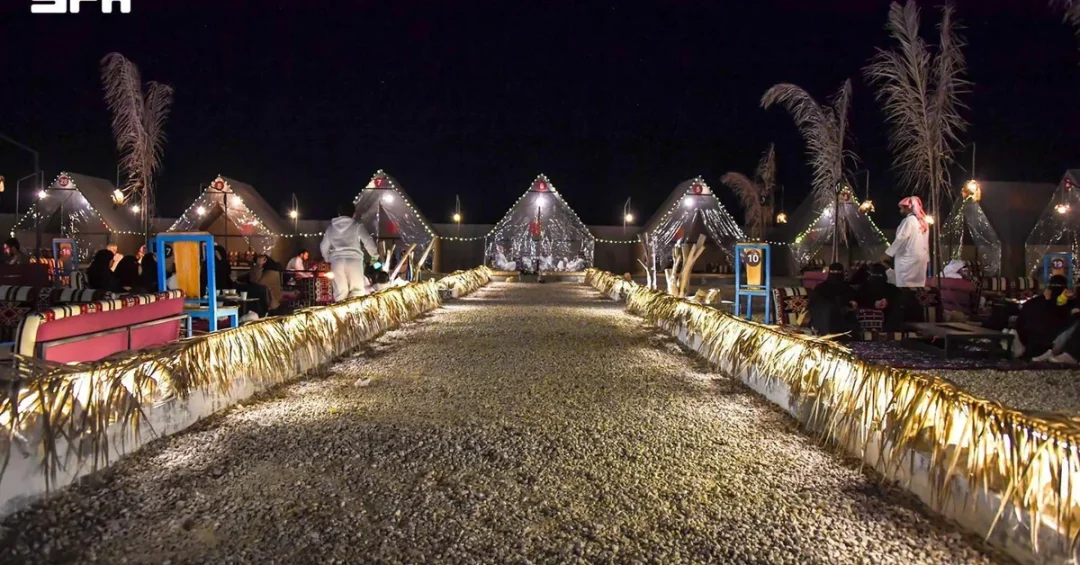
Al-Wafrah, a scenic area south of Al-Hofuf in Al-Ahsa Governorate, has transformed into a vibrant open-air tourist destination this winter, drawing residents and visitors from across the Kingdom of Saudi Arabia and neighboring Gulf countries, according to the Saudi Press Agency (SPA). The seasonal phenomenon, which began as winter temperatures moderated, has quickly elevated Al-Wafrah to one of the region’s most prominent attractions, offering a unique blend of natural beauty, culinary delights, and community spirit. The area’s emergence as a winter hotspot underscores the growing appeal of Saudi Arabia’s diverse tourism offerings and reflects the broader momentum of the Kingdom’s Vision 2030 initiative to diversify the economy and promote domestic and international tourism.
At the heart of Al-Wafrah’s allure are 150 food trucks that line the area, offering a wide array of food and beverages. The aromas of freshly brewed coffee, traditional tea, and sizzling local cuisine fill the cool air, creating an inviting social atmosphere where families and friends gather in an open-air setting. This bustling scene not only satisfies the palate but also serves as a cultural melting pot, showcasing the rich culinary heritage of Al-Ahsa and the Kingdom. The transformation of Al-Wafrah into a winter destination is a testament to Saudi Arabia’s ability to leverage its natural and cultural assets to create compelling tourism experiences that resonate with both locals and international visitors.
Context and Background
Al-Ahsa, recognized as one of the largest oases in the world and a UNESCO World Heritage site, has long been celebrated for its lush palm groves, historical significance, and vibrant traditions. The governorate, located in the Eastern Province of Saudi Arabia, is home to a rich tapestry of cultural and natural attractions that draw visitors year-round. However, the winter months bring a particularly special charm to the region, as temperatures become milder, making outdoor activities and gatherings more enjoyable. Al-Wafrah, with its open landscapes and strategic location south of Al-Hofuf, has naturally become a focal point for these seasonal festivities.
The rise of Al-Wafrah as a winter destination did not happen overnight. It is the result of concerted efforts by local authorities and the community to develop and promote the area’s potential. The Saudi Press Agency reported that the area now features 150 food trucks, a significant increase from previous years, indicating growing investment and interest. This development aligns with the Kingdom’s broader strategy to boost domestic tourism and create economic opportunities in various regions. By transforming Al-Wafrah into a lively hub, local stakeholders are not only enhancing the quality of life for residents but also positioning Al-Ahsa as a must-visit destination on the national tourism map.
Moreover, the seasonal attraction reflects a deeper cultural tradition in Saudi Arabia of enjoying the outdoors during the cooler months. Families and friends often seek out parks, deserts, and coastal areas to picnic, camp, and socialize when the weather is pleasant. Al-Wafrah taps into this tradition, offering a structured yet organic environment where such gatherings can flourish. The presence of food trucks adds a modern twist, catering to contemporary tastes while preserving the essence of communal dining. This blend of tradition and innovation is a hallmark of Saudi Arabia’s approach to tourism development under Vision 2030, which aims to showcase the Kingdom’s heritage while embracing modernity.
Key Details
The 150 food trucks at Al-Wafrah are more than just mobile eateries; they represent a microcosm of Saudi Arabia’s entrepreneurial spirit. These trucks offer a diverse range of options, from traditional Saudi dishes like kabsa and jareesh to international fast food and specialty beverages. The variety ensures that there is something for every palate, making the area appealing to a broad demographic. According to SPA, the mingling aromas of coffee, tea, and traditional cooking create a sensory experience that enhances the social atmosphere. Visitors can stroll through the area, sample different cuisines, and enjoy the cool winter breeze, all while engaging in conversation and community bonding.
Beyond the culinary offerings, Al-Wafrah serves as a platform for small business owners and families involved in the cottage industry. The area provides seasonal space for commercial activities and product displays, enabling these entrepreneurs to showcase their goods to a wider audience. This initiative helps create job opportunities, particularly for young people and families, allowing them to benefit from the influx of visitors during the winter season. The economic and social activity generated by Al-Wafrah is a clear example of how targeted local development can stimulate growth and foster community resilience. It also aligns with Vision 2030’s goal of empowering small and medium-sized enterprises (SMEs) and boosting local production.
The success of Al-Wafrah can be attributed to several factors. First, its location in Al-Ahsa, a region already known for its tourism appeal, provides a built-in audience. Second, the timing during winter, when weather conditions are ideal for outdoor activities, maximizes attendance. Third, the support from local authorities in terms of infrastructure, security, and promotion has been instrumental. The SPA report highlights that the area has become a popular destination for both domestic and Gulf visitors, indicating its cross-border appeal. This regional draw is particularly significant as it strengthens ties between Saudi Arabia and its neighbors, promoting cultural exchange and economic cooperation.
International and Regional Impact
The growing popularity of Al-Wafrah as a winter destination has implications beyond Saudi Arabia’s borders. Visitors from Gulf countries, including the United Arab Emirates, Kuwait, Bahrain, and Qatar, are increasingly flocking to the area, drawn by its unique offerings and the Kingdom’s welcoming atmosphere. This influx of regional tourists not only boosts local businesses but also enhances people-to-people connections and cultural understanding among Gulf nations. In a region often characterized by rapid modernization, such traditional yet contemporary gathering spots serve as bridges that connect communities and foster a sense of shared heritage.
On a broader scale, Al-Wafrah’s success contributes to Saudi Arabia’s image as a premier tourism destination. The Kingdom has been actively promoting its tourism sector through initiatives like the Saudi Tourism Authority’s campaigns and the introduction of tourist visas for citizens of many countries. By showcasing attractions like Al-Wafrah, Saudi Arabia demonstrates its ability to offer diverse experiences that cater to different interests—from cultural immersion to culinary adventures. This is crucial for attracting international visitors who seek authentic and memorable travel experiences. As word spreads about Al-Wafrah’s charm, it has the potential to draw travelers from further afield, including Europe, Asia, and the Americas, further diversifying the visitor demographic.
Moreover, the area’s success story can serve as a model for other regions in Saudi Arabia looking to develop their own seasonal attractions. It highlights the importance of leveraging local assets, engaging the community, and providing platforms for small businesses. By replicating such models, the Kingdom can create a network of unique destinations that collectively enhance its tourism landscape. This decentralized approach to tourism development is in line with Vision 2030’s aim to spread economic benefits across the country and reduce dependence on oil revenues. It also promotes regional pride and identity, as each area can showcase its distinct culture and traditions.
Economic and Strategic Significance
From an economic perspective, the Al-Wafrah winter destination generates tangible benefits for the local and national economy. The 150 food trucks alone represent a significant source of revenue, not only for their operators but also for suppliers, employees, and ancillary services. The cottage industry segment further amplifies this impact by enabling families to sell homemade products, from handicrafts to preserved foods, thereby injecting cash into local households. The seasonal nature of the attraction means that these economic gains are concentrated during the winter months, providing a reliable income boost that can be planned for and reinvested.
Strategically, Al-Wafrah exemplifies how Saudi Arabia is diversifying its tourism offerings beyond the well-known religious and heritage sites. While the Kingdom continues to welcome millions of pilgrims annually for Hajj and Umrah, it is also developing leisure and entertainment tourism to attract a different segment of travelers. This diversification is essential for achieving the ambitious targets of Vision 2030, which aims to increase the tourism sector’s contribution to GDP and create millions of jobs. Al-Wafrah, with its blend of food, culture, and community, is a prime example of the kind of innovative, experience-driven tourism that the Kingdom is fostering.
Furthermore, the area’s success underscores the importance of public-private partnerships in driving tourism development. Local authorities have likely played a role in organizing the space, ensuring safety, and promoting the event, while private entrepreneurs have invested in food trucks and other offerings. This collaborative approach is a cornerstone of Vision 2030, which emphasizes the role of the private sector in achieving economic goals. By continuing to support such initiatives, Saudi Arabia can create a sustainable tourism ecosystem that benefits all stakeholders and contributes to the Kingdom’s long-term prosperity.
Vision 2030 Alignment
The transformation of Al-Wafrah into a popular winter destination is a clear reflection of Saudi Arabia’s Vision 2030, the comprehensive reform plan championed by Crown Prince Mohammed bin Salman. Vision 2030 seeks to diversify the economy, enhance the quality of life for citizens and residents, and position the Kingdom as a global hub for tourism and entertainment. Al-Wafrah embodies these objectives by creating a vibrant social space that attracts visitors, supports small businesses, and showcases the unique cultural heritage of Al-Ahsa. It is a grassroots manifestation of the vision’s goals, demonstrating how local initiatives can contribute to national transformation.
As Saudi Arabia continues to invest in tourism infrastructure and promote its diverse regions, destinations like Al-Wafrah will play an increasingly important role in shaping the Kingdom’s image and attracting visitors. The area’s success also highlights the importance of community engagement and empowerment, as local families and young entrepreneurs are given the tools and opportunities to thrive. Looking ahead, one can expect Al-Wafrah to evolve and expand, perhaps incorporating more activities, entertainment, and cultural events. It stands as a shining example of how Saudi Arabia is opening up to the world while preserving its traditions, and it invites everyone to experience the warmth and hospitality that define the Kingdom. In the years to come, Al-Wafrah will likely remain a beloved winter tradition, contributing to the realization of Vision 2030 and the prosperity of the nation.
20 Questions
Q1. What is Al-Wafrah and where is it located?
A1. Al-Wafrah is an area south of Al-Hofuf in Al-Ahsa Governorate, Saudi Arabia. It has become a popular open-air tourist destination during the winter months, attracting visitors from across the Kingdom and Gulf countries.
Q2. Why does Al-Wafrah become popular in winter?
A2. Winter brings milder temperatures to Al-Ahsa, making outdoor activities comfortable. Al-Wafrah transforms into a lively destination with food trucks and social gatherings, offering a pleasant escape from the heat.
Q3. How many food trucks are in Al-Wafrah?
A3. According to the Saudi Press Agency, Al-Wafrah features 150 food trucks offering a variety of food and beverages, creating a vibrant culinary scene that attracts many visitors.
Q4. What types of food are available at Al-Wafrah?
A4. The food trucks offer a diverse range, including traditional Saudi dishes, international fast food, coffee, tea, and other beverages. The aromas of traditional cooking add to the inviting atmosphere.
Q5. Who visits Al-Wafrah during winter?
A5. The area attracts residents and visitors from across Saudi Arabia as well as Gulf countries, making it a regional attraction that fosters cultural exchange and economic activity.
Q6. How does Al-Wafrah support small businesses?
A6. Al-Wafrah provides seasonal space for small business owners and families in the cottage industry to display and sell their products, creating job opportunities and enabling them to benefit from the winter season.
Q7. What is the significance of Al-Ahsa as a region?
A7. Al-Ahsa is a UNESCO World Heritage site known for its vast oasis, historical importance, and cultural heritage. It is a major tourism destination in Saudi Arabia’s Eastern Province.
Q8. How does Al-Wafrah align with Vision 2030?
A8. Al-Wafrah supports Vision 2030 by boosting domestic tourism, empowering small businesses, creating jobs, and showcasing Saudi Arabia’s cultural and natural attractions, contributing to economic diversification.
Q9. What is the economic impact of Al-Wafrah?
A9. The area generates revenue for food truck operators, suppliers, and local families. It also stimulates the local economy by attracting visitors who spend on food, products, and services.
Q10. Is Al-Wafrah only a winter destination?
A10. While it is most popular in winter due to pleasant weather, Al-Wafrah may have activities year-round, but the winter season sees the highest influx of visitors and the full food truck experience.
Q11. How does Al-Wafrah promote Saudi culture?
A11. Al-Wafrah showcases traditional Saudi cuisine, coffee, tea, and cottage industry products, allowing visitors to experience the Kingdom’s rich heritage in a relaxed, social setting.
Q12. What role does the Saudi Press Agency play in reporting on Al-Wafrah?
A12. The Saudi Press Agency (SPA) is the official news agency of Saudi Arabia. It reported on Al-Wafrah’s transformation, highlighting its attractions and economic contributions.
Q13. Are there any entry fees for Al-Wafrah?
A13. The SPA report does not mention entry fees. Typically, such open-air destinations are free to enter, with visitors paying for food and products they choose to purchase.
Q14. How does Al-Wafrah compare to other Saudi tourist spots?
A14. Al-Wafrah offers a unique blend of culinary delights, social atmosphere, and community support. It complements other attractions like historical sites and natural reserves, adding diversity to Saudi tourism.
Q15. What can visitors expect at Al-Wafrah besides food?
A15. Visitors can enjoy a lively social environment, cool weather, and the opportunity to support local artisans and small businesses. It’s a place for families and friends to gather and relax.
Q16. How does Al-Wafrah contribute to job creation?
A16. By providing space for food trucks and cottage industry vendors, Al-Wafrah creates seasonal employment for young people and families, helping them earn income and gain entrepreneurial experience.
Q17. Is Al-Wafrah accessible to international tourists?
A17. Yes, Saudi Arabia welcomes international tourists with various visa options. Al-Wafrah is open to all visitors, offering a taste of Saudi hospitality and culture.
Q18. What makes Al-Wafrah a social destination?
A18. The combination of food, cool weather, and open-air setting encourages social interaction. Families and friends gather to enjoy meals, conversation, and the community atmosphere.
Q19. How does Al-Wafrah support the cottage industry?
A19. It provides a platform for families to sell homemade goods, such as handicrafts and traditional foods, helping preserve cultural practices and generate income.
Q20. What is the future outlook for Al-Wafrah?
A20. As Saudi Arabia continues to develop its tourism sector, Al-Wafrah is likely to grow in popularity and offerings, further contributing to Vision 2030 goals and regional prosperity.
Reader Feedback
We value your thoughts. Please share your feedback on this article.
Your feedback helps us improve our coverage.
Related articles
 Thee Ain Visitor Center: Al-Baha’s History Meets Modern Tech
 Autumn Events Boost Tourism at Hira Cultural District
 Sidr Trees, Seasonal Plants Adorn Wilderness East of Historic Linah
 Saudi Arabia Launches First Accredited Hiking Trails in Hail
 Baysh Corniche: Natural Beauty and Tourism Investment
 VIA Riyadh: From Seasonal Attraction to Permanent Luxury Hub