


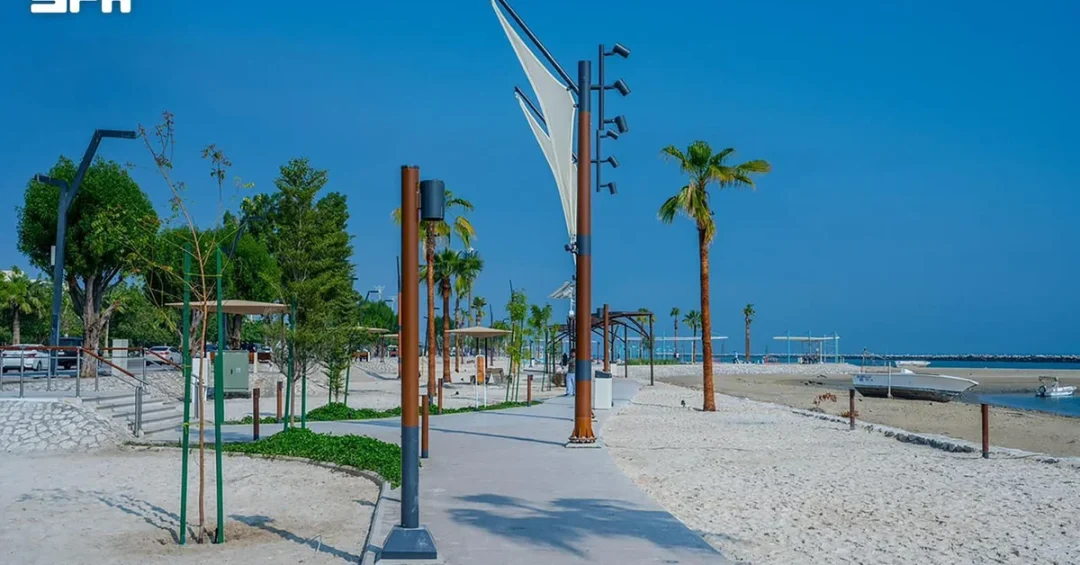
The Eastern Region Municipality is preparing to open the first phase of the Dammam Khor project, a 1.2-kilometer waterfront development spanning more than 60,000 square meters, according to an official announcement carried by the Saudi Press Agency. The project represents a significant addition to the Eastern Region’s tourism and recreational infrastructure, offering integrated waterfront destinations designed to enhance quality of life for residents and visitors alike.
Have you ever imagined a waterfront that blends modern leisure with natural beauty in the heart of Dammam? The Dammam Khor project promises exactly that, with its first phase set to include walking paths, seating areas, shade structures, landscaped green areas, interactive play areas, and a sandy beach. These facilities aim to provide a comprehensive recreational experience that expands the tourism options available in Dammam city, aligning with the Kingdom’s broader ambitions under Saudi Vision 2030.
Context and Background
What makes the Dammam Khor project a pivotal development for the Eastern Region? The Eastern Region Municipality, responsible for urban planning and development across one of Saudi Arabia’s most economically vital provinces, has identified waterfront development as a strategic priority. The region, home to major industrial and energy hubs, has been undergoing a transformation in recent years to diversify its economic base and improve livability for its growing population. The Dammam Khor project is a direct response to these goals, aiming to create a vibrant public space that caters to diverse community segments while attracting tourists from within the Kingdom and abroad.
The project’s first phase, covering 1.2 kilometers and over 60,000 square meters, is just the beginning. The second phase, as outlined by Faisal Al-Zahrani, Director General of Media and Official Spokesperson for the Eastern Region Municipality, will expand the development to more than 250,000 square meters and extend 4.8 kilometers. This phased approach allows for careful integration of facilities and ensures that the project evolves in line with community needs and environmental considerations. The inclusion of a mangrove forest area in the second phase highlights a commitment to ecological preservation, a key component of sustainable urban development.
How does this project fit into the broader narrative of Saudi Arabia’s urban modernization? The Kingdom has been investing heavily in infrastructure and tourism projects across various regions, from NEOM in the northwest to the Red Sea Project on the west coast. The Eastern Region, with its distinct maritime heritage and economic significance, is now receiving similar attention. The Dammam Khor development is part of a wave of investments aimed at unlocking the tourism potential of the Gulf coast, offering new experiences for both domestic and international visitors. By enhancing waterfronts and creating open spaces, the municipality is not only improving the aesthetic appeal of Dammam but also fostering social cohesion and community well-being.
Key Details of the Development
What specific features will the first phase of Dammam Khor offer to visitors? According to Al-Zahrani, the first phase will include a range of amenities designed to cater to families, individuals, and tourists. Walking paths will allow visitors to enjoy leisurely strolls along the waterfront, while seating areas and shade structures provide comfortable spots to relax and take in the views. Landscaped green areas will add natural beauty and contribute to a cooler microclimate, and interactive play areas will engage children in active play. The sandy beach will offer a rare opportunity for beachgoers in Dammam to enjoy the sea in a developed and safe environment. These facilities collectively aim to create a comprehensive recreational experience that meets the needs of different segments of the community.
The second phase promises to significantly elevate the project’s scale and offerings. Covering over 250,000 square meters and extending 4.8 kilometers, it will introduce a mangrove forest area, which will serve both as a natural attraction and as an environmental asset. A marina will cater to boating enthusiasts, while restaurants, cafes, and investment sites will provide commercial and leisure opportunities. The extension of the sandy beach will further enhance the waterfront’s appeal. This phase is expected to attract private investment, creating a vibrant mixed-use destination that combines tourism, recreation, and business. The inclusion of investment sites indicates a strategic effort to stimulate economic activity and generate revenue, contributing to the project’s long-term sustainability.
How does the municipality balance development with heritage preservation? Al-Zahrani emphasized that the Eastern Region Municipality is committed to preserving each site’s historical and maritime identity while enhancing its heritage features. This approach ensures that new developments respect the region’s cultural legacy and do not erase its unique character. Modern designs, facilities, and quality services are being introduced, but they are carefully integrated to complement the existing environment. For Dammam Khor, this means that the waterfront will not only be a modern recreational space but also a tribute to the area’s maritime history, potentially incorporating design elements that reflect the traditional connection between the community and the sea. This balance is crucial for maintaining authenticity and fostering a sense of place.
International and Regional Impact
What implications does the Dammam Khor project have for regional tourism and international perceptions of Saudi Arabia? The Eastern Region, with its proximity to other Gulf Cooperation Council (GCC) countries, is well-positioned to attract visitors from neighboring nations. The development of high-quality waterfront facilities could draw tourists from Kuwait, Bahrain, Qatar, and the UAE, who seek new leisure destinations. Moreover, as Saudi Arabia continues to open up to international tourism under Vision 2030, projects like Dammam Khor contribute to the Kingdom’s image as a modern, welcoming destination. They showcase the country’s ability to develop world-class infrastructure and offer diverse experiences beyond the traditional religious tourism circuits.
The project also has the potential to boost regional cooperation and economic integration. By creating attractive destinations, the Eastern Region can become a hub for cross-border tourism and investment. International investors may be drawn to the investment sites in the second phase, particularly in the hospitality and retail sectors. This can lead to job creation, technology transfer, and increased economic diversification. Furthermore, the project aligns with the broader GCC trend of investing in tourism and leisure as part of economic diversification strategies. Saudi Arabia’s efforts in this regard are likely to be closely watched by its neighbors and international partners, reinforcing its role as a leader in regional development.
Economic and Strategic Significance
How does Dammam Khor contribute to Saudi Arabia’s economic diversification goals? The project is a clear example of how the Kingdom is leveraging its natural and urban assets to stimulate economic activity. By developing a waterfront destination that includes commercial spaces, restaurants, and a marina, the municipality is creating opportunities for small and medium-sized enterprises (SMEs) and attracting private investment. This aligns with Vision 2030’s objective of increasing the private sector’s contribution to GDP and reducing dependence on oil revenues. The construction phase itself will generate employment and demand for local materials and services, providing a short-term economic boost. In the long term, the operational phase will sustain jobs in hospitality, retail, and maintenance, contributing to a diversified local economy.
Strategically, the project enhances the Eastern Region’s appeal as a place to live, work, and visit. Quality of life is a key factor in attracting talent and retaining skilled workers, which is essential for the region’s industrial and commercial sectors. By providing attractive recreational spaces, the municipality is investing in human capital and social well-being. Additionally, the project supports the growth of the tourism sector, which Saudi Arabia aims to make a major contributor to the economy. The Dammam Khor waterfront can become a catalyst for further tourism-related developments, such as hotels and entertainment complexes, creating a multiplier effect. This strategic positioning is vital for the Eastern Region to compete globally and to support the national goal of becoming a top tourist destination.
Vision 2030 Alignment
In what ways does the Dammam Khor project embody the objectives of Saudi Vision 2030? Vision 2030, the Kingdom’s comprehensive plan for social and economic transformation, emphasizes improving quality of life, developing tourism, and creating vibrant communities. The Dammam Khor project directly addresses these pillars by providing high-quality recreational spaces, expanding tourism offerings, and fostering community engagement. It reflects the Vision’s goal of enhancing the livability of Saudi cities and promoting a healthy, active lifestyle. Moreover, the project’s focus on environmental features like the mangrove forest and its integration of modern design with heritage preservation demonstrates a commitment to sustainable development, another key Vision 2030 principle.
The project also contributes to the Vision’s target of increasing domestic and international tourism. By creating a unique waterfront destination in the Eastern Region, it adds to the diversity of tourism products available in the Kingdom, which currently range from cultural and heritage sites to adventure and entertainment. This diversity is essential to attract a wide range of visitors and to extend their length of stay. As Saudi Arabia continues to invest in tourism infrastructure, projects like Dammam Khor will play a crucial role in achieving the ambitious goal of welcoming 100 million visitors annually by 2030. The Eastern Region Municipality’s efforts are thus a microcosm of the national drive towards a prosperous and sustainable future, showcasing how local initiatives can contribute to a grand national vision.
How will the Dammam Khor project influence future urban development in Saudi Arabia? It sets a benchmark for waterfront developments that balance recreation, investment, and environmental stewardship. The phased approach allows for learning and adaptation, which can inform similar projects in other coastal cities. As the project unfolds, it will likely become a model for public-private partnerships and community-centric design. The Eastern Region Municipality’s dedication to preserving maritime identity while embracing modernity exemplifies the forward-looking yet culturally rooted approach that defines Vision 2030. Ultimately, Dammam Khor is not just a waterfront; it is a statement of intent, signaling the Eastern Region’s readiness to embrace a future where economic vitality and quality of life go hand in hand.
20 Questions
Q1. What is the Dammam Khor project?
A1. The Dammam Khor project is a waterfront development in Dammam, Eastern Region, spanning 1.2 kilometers and over 60,000 square meters in its first phase. It aims to enhance tourism and recreation, aligning with Saudi Vision 2030.
Q2. Who is responsible for developing the Dammam Khor project?
A2. The Eastern Region Municipality is responsible for the development, under the leadership of its Director General of Media and Official Spokesperson, Faisal Al-Zahrani. The municipality oversees urban planning and development in the region.
Q3. What facilities will be included in the first phase?
A3. The first phase will feature walking paths, seating areas, shade structures, landscaped green areas, interactive play areas, and a sandy beach. These amenities are designed to provide a comprehensive recreational experience for all visitors.
Q4. What are the plans for the second phase of the project?
A4. The second phase will expand the project to over 250,000 square meters and 4.8 kilometers. It will include a mangrove forest area, a marina, restaurants, cafes, investment sites, and an extension of the sandy beach.
Q5. How does the project align with Saudi Vision 2030?
A5. It aligns with Vision 2030 by improving quality of life, expanding tourism, and creating vibrant communities. It also supports economic diversification and environmental sustainability through features like the mangrove forest.
Q6. What is the significance of the mangrove forest in the second phase?
A6. The mangrove forest serves as both a natural attraction and an environmental asset. It contributes to ecological preservation and enhances the project’s appeal as a sustainable destination, reflecting the Kingdom’s commitment to environmental stewardship.
Q7. Will there be commercial opportunities in the project?
A7. Yes, the second phase includes investment sites, restaurants, and cafes. These commercial spaces are expected to attract private investment, stimulate economic activity, and create job opportunities in the hospitality and retail sectors.
Q8. How does the project preserve the region’s maritime identity?
A8. The Eastern Region Municipality is committed to preserving each site’s historical and maritime identity. The project integrates modern designs while enhancing heritage features, ensuring that the waterfront reflects the area’s cultural legacy.
Q9. What economic benefits will the project bring to the Eastern Region?
A9. The project will create jobs, attract private investment, and support SMEs. It will also boost tourism, generating revenue and contributing to the region’s economic diversification and growth.
Q10. How will the project impact local communities?
A10. It will provide high-quality recreational spaces, improve quality of life, and foster social cohesion. Residents will have access to new leisure facilities, promoting a healthy and active lifestyle.
Q11. Is the project expected to attract international tourists?
A11. Yes, the development aims to attract visitors from neighboring GCC countries and beyond. It enhances Saudi Arabia’s tourism offerings and supports the Kingdom’s goal of becoming a top global destination.
Q12. What is the timeline for the project’s completion?
A12. The first phase is set to open soon, as announced by the Eastern Region Municipality. The second phase will follow, with specific timelines to be announced as development progresses.
Q13. How does the project contribute to environmental sustainability?
A13. Through the mangrove forest, landscaped green areas, and careful planning, the project promotes ecological balance. It aligns with Vision 2030’s sustainability goals and sets a benchmark for future developments.
Q14. Will there be opportunities for water sports at the marina?
A14. The marina will cater to boating enthusiasts and potentially offer water sports activities. It will enhance marine recreational experiences, adding to the project’s appeal as a dynamic waterfront destination.
Q15. How does the project enhance Dammam’s urban landscape?
A15. It transforms the waterfront into a vibrant public space with modern facilities, green areas, and aesthetic designs. This improves the city’s visual appeal and provides a focal point for community gatherings and tourism.
Q16. What role does the private sector play in the project?
A16. The private sector is expected to invest in commercial spaces, restaurants, and other facilities. This partnership model supports economic growth and ensures the project’s financial sustainability.
Q17. Are there any cultural or heritage elements incorporated into the design?
A17. Yes, the design respects the region’s maritime heritage, with features that reflect traditional connections to the sea. This balance of modernity and tradition is a key aspect of the project.
Q18. How does the project support Saudi Arabia’s tourism goals?
A18. It adds a unique waterfront destination to the Kingdom’s tourism portfolio, attracting domestic and international visitors. This supports the Vision 2030 target of 100 million annual visitors by 2030.
Q19. Will the project include facilities for people with disabilities?
A19. The Eastern Region Municipality is committed to providing inclusive facilities. While specific details are not yet announced, the project aims to meet the needs of all community segments, ensuring accessibility for everyone.
Q20. What is the expected impact on property values in the surrounding area?
A20. Improved infrastructure and amenities typically enhance property values. The Dammam Khor project is likely to increase demand for residential and commercial properties in the vicinity, benefiting the local real estate market.
Reader Feedback
We value your thoughts. Please share your feedback on this article.
Your feedback helps us improve our coverage.
Related articles
 Makkah Winter Returns for Second Edition with Diverse Destinations and Experiences
 Wasm Hail 2026 Bus Tours Showcase Ancient Sites
 Al-Wafrah in Al-Ahsa: A Winter Tourism Gem
 Thee Ain Visitor Center: Al-Baha’s History Meets Modern Tech
 Autumn Events Boost Tourism at Hira Cultural District
 Sidr Trees, Seasonal Plants Adorn Wilderness East of Historic Linah