


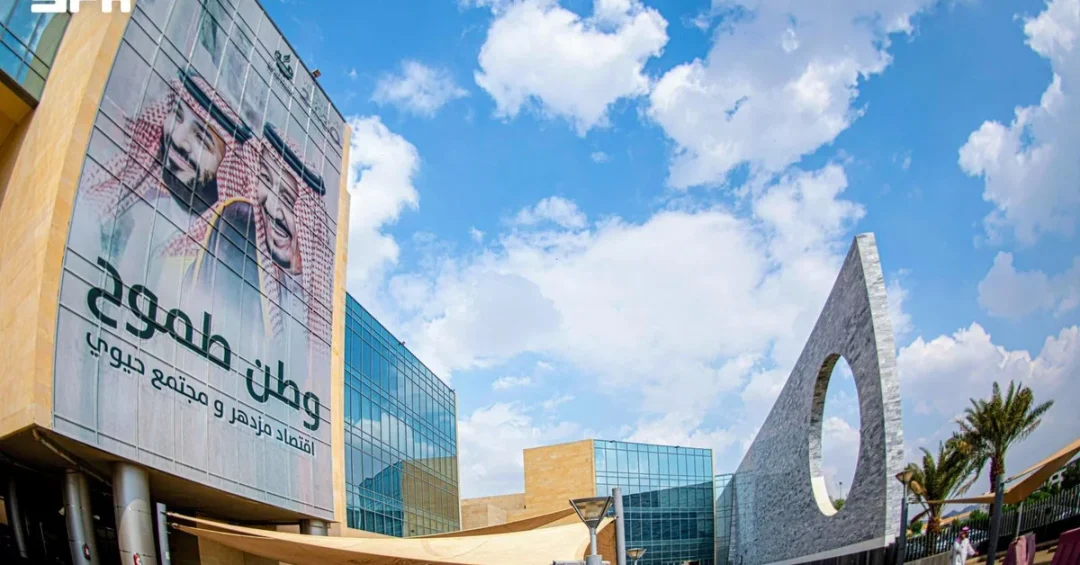
The Makkah Chamber of Commerce, in cooperation with the Ministry of Tourism, organized a workshop on the updated tourism licensing regulations via the TEAMS platform on November 19, 2026, to highlight key regulatory updates covering tourism activities: travel and tourism services, tour guiding, hospitality facilities, and private hospitality units. The workshop explained improvements made to procedures and requirements governing the practice of tourism activities, as part of efforts to raise awareness of regulatory updates and help investors and operators understand new requirements. Have you considered how such regulatory modernization is reshaping Saudi Arabia’s tourism landscape?
The workshop reviewed the objectives of the updates, which aim to keep pace with the growth of the tourism sector and the development of business models. It highlighted main provisions including simplifying license categories for travel and tourism services, expanding the scope of services, and increasing operational flexibility. Updates to regulations governing hospitality facilities were also reviewed, including improvements to licensing, classification, and operational procedures, as well as the shift from permits to licenses for regulating private hospitality units. These efforts support the sector’s sustainable growth, improve the quality of the tourism experience, and enhance the competitiveness of tourist destinations across the Kingdom. How might these changes impact the everyday traveler’s experience in Saudi Arabia?
Context and Background
Why has Saudi Arabia placed such a strong emphasis on modernizing its tourism regulations? The Kingdom’s tourism sector has undergone a remarkable transformation in recent years, driven by Vision 2030’s ambitious goal to diversify the economy away from oil dependence. The Ministry of Tourism, established in 2020, has been at the forefront of this effort, introducing a series of regulatory reforms designed to attract investment, streamline operations, and elevate service standards. The Makkah Chamber of Commerce, as a key facilitator of business development in the holy city, plays a vital role in disseminating these updates to local and international stakeholders. This workshop is part of a broader strategy to ensure that the regulatory environment keeps pace with the rapid growth of the sector.
The updated regulations come at a time when Saudi Arabia is experiencing a surge in tourist arrivals, with the Kingdom welcoming over 100 million visitors in 2023, according to official figures. This growth has been fueled by the introduction of the tourist visa in 2019, massive investments in infrastructure and attractions, and a concerted effort to promote the Kingdom’s rich cultural and natural heritage. As the sector expands, the need for clear, flexible, and investor-friendly regulations becomes paramount. The workshop in Makkah thus represents a critical touchpoint for stakeholders to understand how the new rules will facilitate their operations and contribute to the sector’s sustainable development. Isn’t it fascinating how regulatory agility can unlock new opportunities for growth?
Key Details of the Updated Regulations
What exactly do these updated regulations entail, and how will they affect tourism businesses? The workshop provided a comprehensive overview of the key changes. For travel and tourism services, the regulations simplify license categories, making it easier for businesses to enter the market and expand their offerings. The scope of services has been broadened to include emerging tourism trends, such as adventure tourism, cultural experiences, and wellness retreats. Operational flexibility has been enhanced, allowing operators to adapt more quickly to market demands and customer preferences. These changes are expected to reduce bureaucratic hurdles and encourage innovation within the sector.
In the realm of hospitality facilities, the updates introduce improvements to licensing, classification, and operational procedures. Hotels, resorts, and other accommodation providers will benefit from a more streamlined licensing process, clearer classification criteria, and greater operational flexibility. Perhaps the most significant change is the shift from permits to licenses for private hospitality units, such as vacation rentals and guesthouses. This transition aims to bring these units into the formal regulatory framework, ensuring quality standards, safety, and consumer protection. By regulating private hospitality units more effectively, the Ministry of Tourism seeks to enhance the overall tourism experience and boost visitor confidence. How might this shift from permits to licenses transform the private accommodation market in Saudi Arabia?
International and Regional Impact
How will these regulatory updates resonate beyond Saudi Arabia’s borders? The Kingdom’s tourism sector is increasingly integrated with regional and global markets. Simplified licensing and expanded service scopes make Saudi Arabia a more attractive destination for international investors and tour operators. The updates align with global best practices, signaling that the Kingdom is serious about creating a world-class tourism ecosystem. This can lead to increased foreign direct investment, partnerships with international hospitality brands, and a greater share of the global tourism market. Moreover, the improvements to private hospitality units can appeal to international travelers seeking authentic local experiences, thereby enriching the cultural exchange between Saudi Arabia and the world.
Regionally, Saudi Arabia’s regulatory modernization can set a benchmark for other Gulf Cooperation Council (GCC) countries. As the region diversifies its economies, tourism emerges as a key pillar. Saudi Arabia’s proactive approach to licensing reform may inspire similar initiatives across the GCC, fostering a more integrated and competitive regional tourism market. The workshop’s emphasis on awareness and education also highlights the importance of stakeholder engagement in implementing regulatory changes. By involving chambers of commerce, investors, and operators, the Ministry of Tourism ensures that the new regulations are practical, effective, and widely adopted. Could this collaborative model become a blueprint for other sectors in the region?
Economic and Strategic Significance
What are the economic implications of these regulatory updates? Tourism is a vital component of Saudi Arabia’s economic diversification strategy. According to the Ministry of Tourism, the sector aims to contribute 10% of GDP by 2030, up from around 3% in 2019. The updated licensing regulations are designed to accelerate progress toward this target by making it easier to do business, attracting investment, and enhancing the quality of tourism services. A more robust tourism sector creates jobs, stimulates local economies, and generates foreign exchange earnings. The workshop in Makkah, by educating stakeholders, helps to ensure that the benefits of these reforms are realized on the ground.
Strategically, the regulations support the Kingdom’s efforts to position itself as a global tourism hub. The simplification of license categories and the expansion of service scopes enable entrepreneurs to innovate and offer unique experiences that cater to diverse traveler interests. The shift to licenses for private hospitality units formalizes a segment that has grown organically, bringing it into the mainstream and allowing for better quality control. This not only protects consumers but also enhances the reputation of Saudi tourism. As the sector grows, it will increasingly contribute to the Kingdom’s soft power and cultural diplomacy. Isn’t it remarkable how regulatory reform can catalyze such profound economic and strategic shifts?
Vision 2030 Alignment
How do these regulatory updates align with Vision 2030? Vision 2030, launched in 2016 by Crown Prince Mohammed bin Salman, is a comprehensive blueprint for Saudi Arabia’s future. It aims to diversify the economy, empower citizens, and create a vibrant society. Tourism is one of the key sectors identified to drive this transformation. The updated licensing regulations directly support Vision 2030’s objectives by fostering a business-friendly environment, encouraging investment, and enhancing the Kingdom’s attractiveness as a destination. The Makkah Chamber of Commerce’s workshop is a concrete example of how Vision 2030 is being implemented at the grassroots level, ensuring that stakeholders are equipped to participate in the sector’s growth.
Furthermore, the emphasis on private hospitality units aligns with Vision 2030’s goal to increase the number of tourists and religious pilgrims. By regulating these units, the Ministry of Tourism ensures that visitors have access to a wide range of quality accommodations, from luxury hotels to authentic local stays. This enhances the overall pilgrimage and tourism experience, which is central to the Kingdom’s cultural and religious significance. The workshop also reflects Vision 2030’s focus on human capital development, as it educates investors and operators on new requirements, thereby raising professional standards. As Saudi Arabia continues its journey toward a diversified and sustainable future, such initiatives will be instrumental in realizing the full potential of its tourism sector. How will the success of these regulations inspire further reforms across other industries?
20 Questions
Q1. What was the purpose of the workshop organized by the Makkah Chamber of Commerce?
A1. The workshop aimed to highlight updated tourism licensing regulations, covering travel services, tour guiding, hospitality facilities, and private hospitality units, and to explain improvements to procedures and requirements for tourism activities.
Q2. Which government body cooperated with the Makkah Chamber of Commerce for this workshop?
A2. The Ministry of Tourism cooperated with the Makkah Chamber of Commerce to organize the workshop, reflecting a collaborative approach to regulatory awareness and sector development.
Q3. What are the main tourism activities covered by the updated regulations?
A3. The updated regulations cover travel and tourism services, tour guiding, hospitality facilities, and private hospitality units, ensuring a comprehensive framework for various tourism-related operations.
Q4. How do the updates simplify license categories for travel and tourism services?
A4. The updates streamline license categories, making it easier for businesses to obtain licenses and expand their services. This reduces bureaucratic hurdles and encourages market entry and innovation.
Q5. What is the significance of expanding the scope of services in tourism regulations?
A5. Expanding the scope allows operators to offer a wider range of experiences, such as adventure and cultural tourism, aligning with evolving market trends and enhancing the Kingdom’s tourism offerings.
Q6. What improvements were made to regulations for hospitality facilities?
A6. Improvements include streamlined licensing, clearer classification criteria, and enhanced operational procedures. These changes aim to raise service quality and operational efficiency in the hospitality sector.
Q7. What is the shift from permits to licenses for private hospitality units?
A7. The shift means that private hospitality units, like vacation rentals, will now be regulated under a licensing framework instead of permits, ensuring better quality control and consumer protection.
Q8. How do these updates support the growth of the tourism sector?
A8. By simplifying regulations and increasing flexibility, the updates attract investment, encourage innovation, and improve the quality of tourism services, thereby supporting sustainable growth and competitiveness.
Q9. Why is raising awareness of regulatory updates important for investors and operators?
A9. Awareness ensures that investors and operators understand new requirements, enabling them to comply effectively and take full advantage of the opportunities created by the updated regulations.
Q10. How do these efforts enhance the competitiveness of tourist destinations in Saudi Arabia?
A10. By improving the quality of tourism experiences and streamlining operations, the regulations make Saudi destinations more attractive to visitors, thereby boosting their competitiveness regionally and globally.
Q11. What role does the Makkah Chamber of Commerce play in the tourism sector?
A11. The Chamber facilitates business development, disseminates regulatory information, and supports stakeholders in Makkah, contributing to the city’s and the Kingdom’s tourism growth.
Q12. How does the workshop align with Vision 2030 objectives?
A12. The workshop supports Vision 2030 by promoting a business-friendly environment, encouraging investment, and enhancing the tourism sector’s contribution to economic diversification and job creation.
Q13. What are the expected economic benefits of the updated regulations?
A13. The regulations are expected to increase tourism’s GDP contribution, attract foreign investment, create jobs, and stimulate local economies, aligning with the goal of 10% GDP by 2030.
Q14. How might the regulations impact international tourists visiting Saudi Arabia?
A14. International tourists will benefit from improved service quality, a wider range of accommodations, and more diverse tourism experiences, making their visit more enjoyable and memorable.
Q15. What is the significance of the TEAMS platform for this workshop?
A15. The TEAMS platform allowed for virtual participation, enabling a wider audience of stakeholders to attend and engage with the regulatory updates efficiently and conveniently.
Q16. How do the updates address the development of business models in tourism?
A16. The updates accommodate new business models by expanding service scopes and increasing operational flexibility, allowing operators to innovate and adapt to changing market dynamics.
Q17. What are private hospitality units, and why are they being regulated?
A17. Private hospitality units include vacation rentals and guesthouses. They are being regulated to ensure quality, safety, and consumer protection, and to integrate them into the formal tourism sector.
Q18. How will the shift from permits to licenses affect operators of private hospitality units?
A18. Operators will need to obtain licenses, which may involve meeting specific standards. This formalization can enhance their credibility and access to support, while ensuring better service quality.
Q19. What does the workshop indicate about Saudi Arabia’s approach to tourism regulation?
A19. It indicates a proactive, collaborative, and stakeholder-focused approach, where the government works with chambers of commerce to ensure regulations are understood and effectively implemented.
Q20. How can investors and operators stay informed about future regulatory changes?
A20. Investors and operators can stay informed through official channels such as the Ministry of Tourism and chambers of commerce, which regularly organize workshops and disseminate updates.
Reader Feedback
We value your thoughts. Please share your feedback on this article.
Your feedback helps us improve our coverage.
Related articles
 Haql Parks Ready for Autumn Break Visitors
 South West Entertainment Town Opens in Jeddah
 Boulevard World Opens Four New Country-Themed Zones
 Al-Urumah Season 2026-2027 Launches in Saudi Reserve
 Northern Trail: 1,200 km Tourism Artery Connects 16 Destinations
 Big Bounce Arabia Opens in Jeddah with 18 Family Activities