


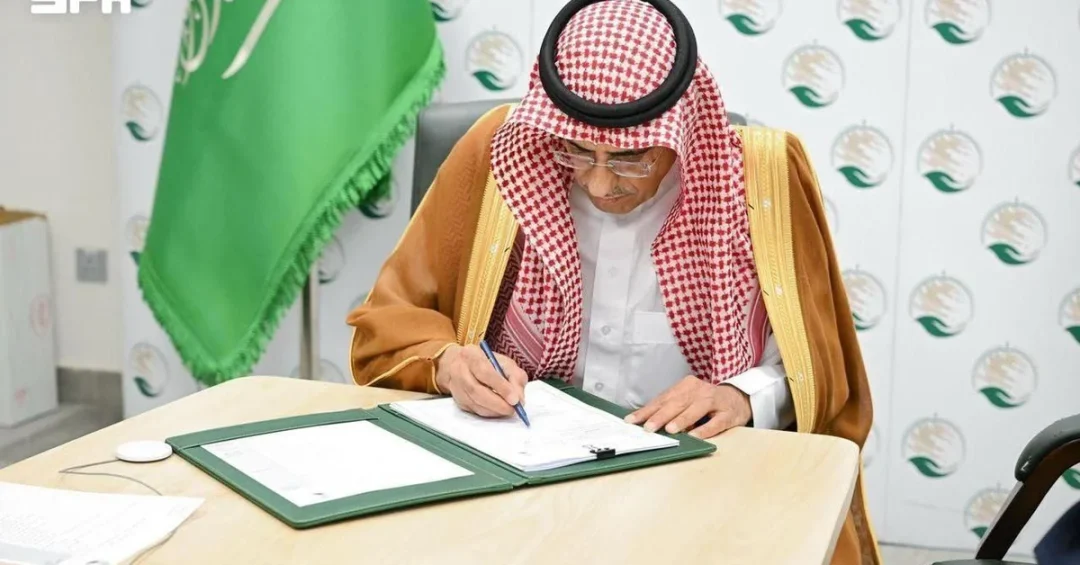
The King Salman Humanitarian Aid and Relief Center (KSrelief) has signed a joint executive program with a civil society organization to provide permanent shelter for flood-affected families in Al-Dabbah locality of Sudan’s Northern State, as announced by the Saudi Press Agency on November 27, 2026. The agreement paves the way for the construction of affordable housing units in a safe, alternative location within Al-Dabbah, offering a secure living environment for more than 920 beneficiaries. This initiative forms part of Saudi Arabia’s ongoing humanitarian and relief efforts, implemented through KSrelief, to support the shelter sector and promote family stability and protection in Sudan. The program reflects the Kingdom’s steadfast commitment to alleviating human suffering and fostering resilience in communities affected by natural disasters.
Why does this development matter now, and what does it signal about Saudi Arabia’s expanding role in global humanitarian action? The signing comes at a critical time when Sudan continues to grapple with the aftermath of severe flooding that has displaced thousands of families across several states. The Northern State, particularly Al-Dabbah locality, has been among the hardest hit, with homes destroyed and infrastructure compromised. By providing permanent housing rather than temporary relief, KSrelief is addressing the long-term needs of affected families, enabling them to rebuild their lives with dignity. This approach aligns with the Kingdom’s broader humanitarian philosophy, which emphasizes sustainable solutions and empowers communities to recover and thrive. The program also underscores Saudi Arabia’s leadership in international relief efforts, demonstrating a proactive and compassionate response to crises beyond its borders.
Context and Background
What circumstances led to the displacement of families in Al-Dabbah, and how has the international community responded? The floods that struck Sudan’s Northern State caused widespread devastation, washing away homes and forcing families into makeshift shelters. The region’s vulnerability to such disasters is compounded by limited infrastructure and resources, making recovery a daunting challenge. In response, Saudi Arabia, through KSrelief, has consistently been at the forefront of providing aid, from emergency relief to long-term development projects. The new joint executive program is a continuation of these efforts, specifically targeting the shelter sector, which is critical for family stability and protection. By constructing affordable housing units in a safe location, the initiative not only addresses immediate needs but also lays the foundation for sustainable community development.
The partnership with a civil society organization highlights the importance of collaboration in humanitarian work. Local organizations possess invaluable knowledge of the community’s needs and can ensure that aid is delivered effectively. This joint approach leverages the strengths of both KSrelief and its partner, maximizing the impact of the program. Furthermore, the initiative is part of Saudi Arabia’s broader commitment to supporting Sudan, a brotherly nation with deep historical and cultural ties to the Kingdom. Over the years, KSrelief has implemented numerous projects in Sudan, ranging from food security to healthcare, all aimed at improving the lives of the Sudanese people. This latest program reinforces that commitment and sets a precedent for future collaborations.
How does this program fit into Saudi Arabia’s overall humanitarian strategy? The Kingdom’s humanitarian efforts are guided by the principles of compassion, solidarity, and sustainable development. KSrelief, established in 2015, has since become a leading global humanitarian organization, implementing projects in over 80 countries. Its work is characterized by rapid response to emergencies, coupled with long-term development initiatives that address root causes of vulnerability. The shelter program in Al-Dabbah exemplifies this dual approach, providing immediate housing solutions while also contributing to the economic and social stability of the region. By focusing on permanent shelters, KSrelief is helping families break the cycle of displacement and dependency on aid, empowering them to become self-reliant and active participants in their community’s recovery.
Key Details of the Joint Executive Program
What exactly does the joint executive program entail, and how will it be implemented? Under the agreement, KSrelief and its civil society partner will construct affordable housing units in a safe, alternative location within Al-Dabbah. These units are designed to meet the basic needs of displaced families, offering a secure and dignified living environment. The program targets over 920 beneficiaries, ensuring that the most vulnerable families receive adequate shelter. The construction will adhere to quality standards, with a focus on durability and resilience against future environmental challenges. The project also includes provisions for essential services such as water, sanitation, and access to community facilities, creating a holistic living environment. Implementation will be carried out in phases, with close coordination between KSrelief and local authorities to ensure timely and efficient delivery.
Why is the choice of a safe, alternative location significant? The original sites where families lived were prone to flooding, making them unsafe for habitation. By relocating to a safer area, the program not only protects families from future disasters but also allows for better urban planning and infrastructure development. This strategic move reflects a forward-thinking approach to humanitarian aid, one that prioritizes risk reduction and long-term sustainability. The new location will be equipped with necessary amenities, enabling residents to rebuild their lives with a sense of normalcy and security. Moreover, the construction of affordable housing units will stimulate local economic activity, providing jobs and boosting the local market. This integrated approach ensures that the program’s benefits extend beyond immediate shelter, contributing to the overall development of Al-Dabbah.
The joint executive program also emphasizes community participation and capacity building. Local residents will be involved in the planning and implementation process, ensuring that the housing units meet their specific needs and cultural preferences. Training and employment opportunities will be provided to community members, particularly youth and women, enabling them to contribute to the project and gain valuable skills. This participatory approach fosters a sense of ownership and empowers the community to take charge of its own development. By engaging beneficiaries as active partners, KSrelief and its partner organization are not only providing shelter but also building social cohesion and resilience. The program thus serves as a model for future humanitarian interventions, demonstrating the effectiveness of collaborative, community-driven solutions.
International and Regional Impact
How does this initiative influence Saudi Arabia’s standing in the international community? Saudi Arabia has long been recognized as a major humanitarian donor, and KSrelief’s work has further solidified this reputation. The shelter program in Sudan is a tangible example of the Kingdom’s commitment to global solidarity and its role as a responsible international actor. By addressing the needs of flood-affected families, Saudi Arabia demonstrates leadership and compassion, earning respect and goodwill from partners around the world. This initiative also aligns with the United Nations’ Sustainable Development Goals, particularly those related to poverty reduction, sustainable cities, and climate action. As such, it enhances Saudi Arabia’s profile as a proactive contributor to global development and a reliable partner in times of crisis.
What are the regional implications, particularly for Sudan and its neighbors? Sudan has faced numerous challenges in recent years, including political transitions, economic hardships, and natural disasters. The floods have exacerbated these difficulties, displacing communities and straining already limited resources. Saudi Arabia’s intervention provides much-needed relief and supports Sudan’s recovery efforts. By stabilizing affected families and providing them with permanent homes, the program contributes to the overall stability of the region. A stable and prosperous Sudan is in the interest of all neighboring countries, as it reduces the risk of cross-border displacement and fosters economic cooperation. Saudi Arabia’s support thus has a ripple effect, promoting peace and development across the region. Moreover, the program strengthens bilateral ties between Saudi Arabia and Sudan, building on a long history of mutual cooperation and friendship.
Economic and Strategic Significance
What economic benefits does the program bring to Al-Dabbah and beyond? The construction of housing units will require materials, labor, and services, creating employment opportunities for local residents and stimulating the local economy. Small businesses, such as suppliers and contractors, will benefit from the increased demand, leading to a multiplier effect that boosts overall economic activity. In the long term, providing stable housing enables families to become more productive, as they can focus on education, work, and community life rather than worrying about shelter. This contributes to human capital development and economic growth. The program also aligns with Saudi Arabia’s strategic interest in promoting stability and prosperity in the region, which is essential for trade, investment, and diplomatic relations.
From a strategic perspective, the initiative reinforces Saudi Arabia’s soft power and its role as a leader in the Muslim world and beyond. By addressing humanitarian crises, the Kingdom demonstrates its commitment to Islamic values of charity and solidarity. This enhances its influence and credibility on the global stage, opening doors for further cooperation and partnerships. The program also complements Saudi Arabia’s Vision 2030, which aims to diversify the economy and enhance the Kingdom’s international engagement. Through humanitarian diplomacy, Saudi Arabia showcases its modernization and its capacity to contribute to global challenges. The shelter program is thus not only a charitable act but also a strategic investment in regional stability and Saudi Arabia’s global standing.
Vision 2030 Alignment
How does this program align with Saudi Arabia’s Vision 2030? Vision 2030 is a comprehensive plan to transform the Kingdom’s economy and society, with a strong emphasis on international cooperation and humanitarian leadership. One of the vision’s key pillars is to strengthen Saudi Arabia’s role as a global hub for humanitarian and relief work. KSrelief is a central instrument in achieving this goal, and its projects, like the shelter program in Sudan, exemplify the vision’s objectives. By providing sustainable solutions to displacement, the program contributes to the vision’s focus on improving quality of life and fostering stability. It also reflects the Kingdom’s commitment to the United Nations’ Sustainable Development Goals, particularly Goal 11 (Sustainable Cities and Communities) and Goal 13 (Climate Action). Through such initiatives, Saudi Arabia is not only helping those in need but also positioning itself as a leader in sustainable development.
What does the future hold for Saudi Arabia’s humanitarian efforts? The shelter program in Al-Dabbah is a testament to the Kingdom’s enduring commitment to helping those affected by crises. As Saudi Arabia continues to advance its Vision 2030 agenda, its humanitarian efforts will likely expand and evolve, leveraging technology, innovation, and partnerships to maximize impact. The Kingdom’s leadership, under the guidance of the Custodian of the Two Holy Mosques and His Royal Highness the Crown Prince, remains dedicated to alleviating suffering and promoting prosperity worldwide. This program is just one example of how Saudi Arabia is making a difference, and it sets the stage for even greater contributions in the years to come. By investing in permanent solutions, KSrelief is not only rebuilding homes but also restoring hope and dignity to families in Sudan, embodying the true spirit of Saudi generosity and global citizenship.
20 Questions
Q1. What is the joint executive program signed by KSrelief?
A1. The King Salman Humanitarian Aid and Relief Center (KSrelief) signed a joint executive program with a civil society organization to provide permanent shelter for flood-affected families in Al-Dabbah locality of Sudan’s Northern State.
Q2. Which organization partnered with KSrelief for this program?
A2. KSrelief partnered with a civil society organization, as reported by the Saudi Press Agency. The specific name of the organization was not disclosed in the announcement.
Q3. Where is Al-Dabbah locality located?
A3. Al-Dabbah locality is in Sudan’s Northern State, an area that has been severely affected by recent floods, leading to the displacement of many families.
Q4. How many beneficiaries will the program support?
A4. The program aims to provide shelter for over 920 beneficiaries, ensuring they have a secure and stable living environment.
Q5. What type of housing will be constructed?
A5. Affordable housing units will be constructed in a safe, alternative location within Al-Dabbah, designed to meet the basic needs of displaced families.
Q6. Why are the housing units being built in a new location?
A6. The new location is safe from flooding, reducing the risk of future displacement and providing a secure environment for families to rebuild their lives.
Q7. What is the main goal of this initiative?
A7. The initiative aims to support the shelter sector and promote family stability and protection in Sudan, as part of Saudi Arabia’s ongoing humanitarian efforts.
Q8. How does this program reflect Saudi Arabia’s humanitarian commitment?
A8. It demonstrates Saudi Arabia’s dedication to alleviating human suffering and fostering resilience in communities affected by disasters, through the work of KSrelief.
Q9. When was the program announced?
A9. The program was announced on November 27, 2026, according to the Saudi Press Agency.
Q10. What is KSrelief’s role in this program?
A10. KSrelief is implementing the program as part of its mission to provide humanitarian aid and relief worldwide, focusing on sustainable solutions.
Q11. How will the program impact the local economy?
A11. The construction of housing units will create jobs, stimulate local businesses, and contribute to the overall economic development of Al-Dabbah.
Q12. What essential services will be included in the new housing units?
A12. The units will include provisions for water, sanitation, and access to community facilities, ensuring a holistic living environment for residents.
Q13. How does this program align with Vision 2030?
A13. It aligns with Vision 2030’s goal of strengthening Saudi Arabia’s role as a global humanitarian leader and promoting sustainable development.
Q14. What are the regional implications of this initiative?
A14. The program contributes to stability in Sudan and the wider region, reducing displacement risks and fostering economic cooperation and peace.
Q15. How does KSrelief ensure community participation?
A15. Local residents are involved in planning and implementation, with training and employment opportunities provided to youth and women.
Q16. What is the significance of permanent shelter over temporary relief?
A16. Permanent shelter provides long-term stability, enabling families to rebuild their lives with dignity and break the cycle of displacement.
Q17. How does this program strengthen Saudi-Sudan relations?
A17. It reinforces bilateral ties through tangible support, building on historical and cultural bonds between the two nations.
Q18. What challenges did the floods create in Al-Dabbah?
A18. The floods destroyed homes and infrastructure, displacing families and creating urgent needs for shelter and basic services.
Q19. What is the expected timeline for the program’s completion?
A19. The program will be implemented in phases, with close coordination between KSrelief and local authorities to ensure timely delivery.
Q20. How can other organizations support similar efforts?
A20. Organizations can partner with KSrelief or contribute to humanitarian funds to support sustainable shelter projects in affected regions.
Reader Feedback
We value your thoughts. Please share your feedback on this article.
Your feedback helps us improve our coverage.
Related articles
 Saudi GADD Signs Two Defense MoUs with Turkish Institutions
 GEA and Misk Launchpad Partner to Boost Entertainment Tech Startups
 Saudi Weather Forecast for Friday: Thunderstorms, Fog, and Dust Winds
 Bahrain Condemns Houthi Attacks on Saudi Facilities
 KSrelief Distributes 1,006 Food Baskets in Aden, Yemen
 MENA Effie Awards Honor 100+ Winners in Riyadh