


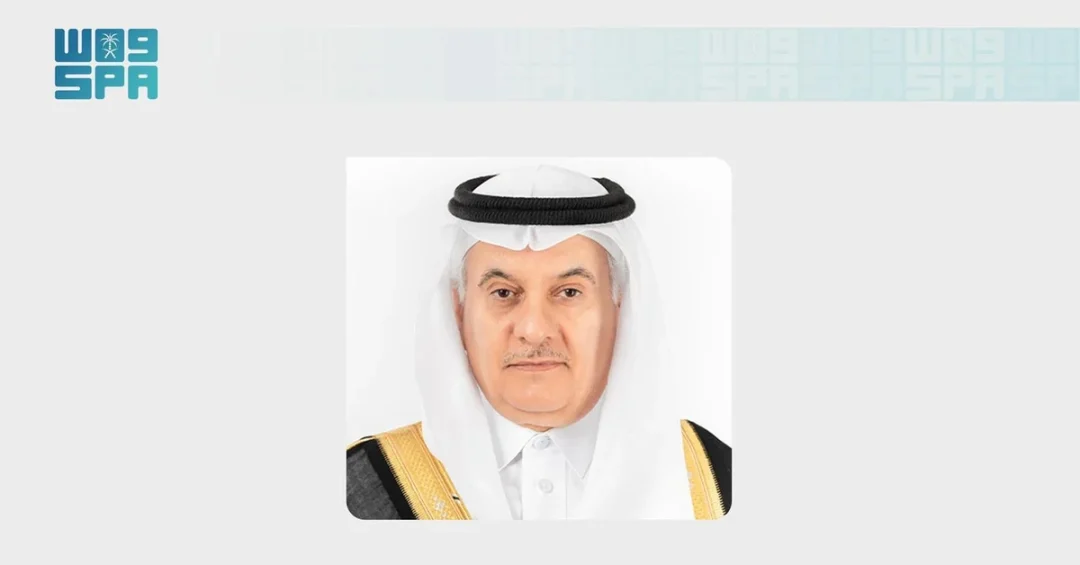
Saudi Arabia’s Minister of Environment, Water and Agriculture, Abdulrahman Alfadley, announced that the environment, water, and agriculture sector achieved significant milestones in 2026, driven by government support and strategic investments. The minister’s remarks, released via the Saudi Press Agency (SPA) on November 25, 2026, highlight a year of record contributions to gross domestic product, expanded desalination capacity, and accelerated environmental rehabilitation under the Saudi Green Initiative. These developments underscore the Kingdom’s commitment to sustainability, food and water security, and economic diversification in line with Vision 2030.
Have you ever considered how a nation transforms its natural resource management to secure a prosperous future? Saudi Arabia’s progress in 2026 offers a compelling answer. The agricultural sector recorded its highest-ever contribution to GDP, reaching SAR124 billion in 2025, while key commodity production hit approximately 13 million tons. Date exports surged to SAR1.1 billion by the end of the third quarter of 2026, cementing the Kingdom’s position as the world’s leading supplier by value. In the water sector, Saudi Arabia maintained its status as the largest producer of desalinated water globally, with output reaching 17 million cubic meters per day. These achievements reflect a comprehensive strategy that balances economic growth with environmental stewardship.
Context and Background
Why is the environment, water, and agriculture sector so critical to Saudi Arabia’s future? The Kingdom has long recognized that water scarcity and food security are existential challenges. With limited arable land and renewable freshwater resources, Saudi Arabia has invested heavily in desalination, agricultural technology, and sustainable practices. The Ministry of Environment, Water and Agriculture, under the leadership of Minister Abdulrahman Alfadley, has been at the forefront of these efforts, aligning them with the ambitious goals of Vision 2030. The year 2026 marks a pivotal moment, as years of planning and investment begin to yield tangible results across multiple fronts.
The government’s support has been multifaceted. An agricultural financing portfolio worth up to SAR5 billion was allocated to support production, rural development, and investment in modern technologies. This funding aims to empower farmers, enhance efficiency, and stimulate innovation. Meanwhile, the water sector saw capacity expansions in transmission and storage, ensuring reliable supply for a growing population and economy. Environmental initiatives, such as the Saudi Green Initiative, have gained momentum, with approximately 184 million tree equivalents planted and 1.254 million hectares of degraded land rehabilitated. These efforts are not just about meeting targets; they are about building a resilient future.
How does Saudi Arabia balance rapid development with environmental protection? The answer lies in integrated planning. The ministry has adopted a holistic approach that considers the interconnections between agriculture, water, and ecosystems. For instance, treated water reuse expanded to 33.47%, reducing pressure on freshwater sources and supporting irrigation. The waste management ecosystem was further developed, activating 74 investment opportunities involving 99 facilities with capital exceeding SAR11 billion. This circular economy approach not only protects the environment but also creates economic opportunities and attracts high-quality investments. The Kingdom’s progress demonstrates that economic growth and environmental sustainability can go hand in hand.
Key Details
What specific milestones were achieved in 2026? In agriculture, the sector’s GDP contribution reached SAR124 billion, a record high. Production of key commodities totaled around 13 million tons, ensuring a steady supply of essential foods. Date exports rose to SAR1.1 billion by the end of the third quarter, reinforcing Saudi Arabia’s global leadership in date production and export. The minister emphasized that supply stability was strengthened by diversifying import sources and maintaining safe stock levels. The SAR5 billion financing portfolio is expected to further boost production, rural development, and technology adoption. These measures collectively enhance food security and support rural communities.
In the water sector, Saudi Arabia’s desalination output reached 17 million cubic meters per day, maintaining its rank as the world’s largest producer. The capacity of water transmission systems increased to 18.3 million cubic meters per day, while storage capacity reached 32.5 million cubic meters. Local content in the sector exceeded 68%, reflecting a commitment to domestic manufacturing and services. Treated water reuse expanded to 33.47%, contributing to resource sustainability. These achievements ensure reliable water supply for domestic, industrial, and agricultural use, which is vital for a desert nation. The ministry’s focus on efficiency and conservation further supports long-term sustainability.
On the environmental front, the Saudi Green Initiative planted approximately 184 million tree equivalents, a significant step toward the goal of planting 10 billion trees. The area of rehabilitated degraded land increased to 1.254 million hectares, restoring ecosystems and combating desertification. More than 10,700 animals were released into natural habitats as part of wildlife conservation and species reintroduction programs. The waste management sector saw the activation of 74 investment opportunities involving 99 facilities with capital exceeding SAR11 billion. These initiatives support the circular economy, reduce landfill waste, and create green jobs. The minister noted that these efforts enhance the sector’s attractiveness to high-quality investments.
International and Regional Impact
How does Saudi Arabia’s progress resonate beyond its borders? As the world’s largest producer of desalinated water, the Kingdom is a global leader in water technology and management. Its expertise in desalination and water reuse can be shared with other arid regions facing similar challenges. The date export industry, with SAR1.1 billion in exports, supplies markets worldwide, strengthening trade ties and food security in importing countries. The Saudi Green Initiative, with its massive tree-planting and land rehabilitation efforts, contributes to global climate goals and biodiversity conservation. These actions position Saudi Arabia as a responsible global citizen and a key player in sustainable development.
Regionally, Saudi Arabia’s stability and prosperity have a stabilizing effect on the Middle East. By ensuring food and water security, the Kingdom reduces its vulnerability to external shocks and can play a constructive role in regional humanitarian efforts. The agricultural financing portfolio and investments in modern technologies can serve as a model for neighboring countries seeking to modernize their own sectors. Moreover, the Kingdom’s commitment to environmental sustainability aligns with the Middle East Green Initiative, which aims to plant 50 billion trees across the region. Saudi Arabia’s leadership in this area fosters cooperation and shared progress.
Economic and Strategic Significance
Why are these achievements economically significant? The agricultural sector’s SAR124 billion contribution to GDP represents a substantial share of the non-oil economy, supporting Vision 2030’s goal of diversification. The sector employs a significant portion of the workforce and supports rural livelihoods. The SAR5 billion financing portfolio will stimulate further growth, innovation, and job creation. Date exports, valued at SAR1.1 billion, are a high-value export commodity that boosts foreign exchange earnings and enhances Saudi Arabia’s brand as a producer of premium products. The water sector’s local content exceeding 68% indicates a robust domestic supply chain, reducing reliance on imports and creating skilled jobs.
Strategically, water and food security are matters of national security. By maintaining safe stock levels and diversifying import sources, Saudi Arabia mitigates risks associated with global supply chain disruptions. The expansion of desalination and transmission capacity ensures that citizens and industries have uninterrupted access to water. The environmental initiatives, such as land rehabilitation and wildlife reintroduction, protect the Kingdom’s natural heritage and support tourism and recreation. The waste management investments, worth over SAR11 billion, turn waste into a resource, supporting the circular economy and reducing environmental footprint. These strategic investments pay dividends in resilience and sustainability.
Vision 2030 Alignment
How do these milestones align with Vision 2030? Vision 2030 aims to diversify the economy, improve quality of life, and ensure sustainability. The environment, water, and agriculture sector is central to these goals. The record GDP contribution and export growth demonstrate economic diversification. The water sector’s achievements ensure a vital resource for communities and industries. The environmental progress under the Saudi Green Initiative enhances quality of life and protects ecosystems for future generations. The ministry’s support for private sector participation and modern technologies fosters innovation and entrepreneurship. These efforts collectively advance the Kingdom’s journey toward a prosperous and sustainable future.
Looking ahead, Saudi Arabia is poised to build on these achievements. The government’s continued support and investment will drive further advancements in technology, infrastructure, and human capital. The Kingdom’s leadership in desalination and date production will expand, and the Saudi Green Initiative will continue to restore landscapes and protect wildlife. As the world faces climate change and resource scarcity, Saudi Arabia’s proactive approach serves as an inspiring example. With a clear vision and unwavering commitment, the Kingdom is not only meeting its own goals but also contributing to global sustainability. The milestones of 2026 are just the beginning of a transformative journey.
20 Questions
Q1. What did the Minister of Environment, Water and Agriculture announce regarding 2026 milestones?
A1. Minister Abdulrahman Alfadley announced that the sector achieved significant milestones in 2026, including record GDP contribution, expanded desalination, and environmental progress, driven by government support and investments.
Q2. How much did the agricultural sector contribute to Saudi Arabia’s GDP in 2025?
A2. The agricultural sector contributed SAR124 billion to GDP in 2025, its highest contribution ever, reflecting growth and government support for the sector.
Q3. What was the production volume of key agricultural commodities?
A3. Production of key agricultural commodities reached approximately 13 million tons, ensuring food security and supply stability for the Kingdom.
Q4. How much were date exports by the end of the third quarter of 2026?
A4. Date and date product exports rose to SAR1.1 billion, solidifying Saudi Arabia’s position as the leading global supplier by value.
Q5. What is the value of the agricultural financing portfolio allocated?
A5. An agricultural financing portfolio worth up to SAR5 billion was allocated to support production, rural development, and investment in modern technologies.
Q6. What is Saudi Arabia’s rank in desalinated water production?
A6. Saudi Arabia maintained its status as the world’s largest producer of desalinated water, with output reaching 17 million cubic meters per day in 2026.
Q7. What is the capacity of water transmission systems?
A7. The capacity of water transmission systems increased to 18.3 million cubic meters per day, ensuring reliable water supply across the Kingdom.
Q8. What is the water storage capacity in Saudi Arabia?
A8. Water storage capacity reached 32.5 million cubic meters, providing reserves for emergencies and peak demand periods.
Q9. What percentage of local content was achieved in the water sector?
A9. Local content in the water sector exceeded 68%, reflecting a strong domestic supply chain and commitment to local manufacturing and services.
Q10. What is the rate of treated water reuse?
A10. Treated water reuse expanded to 33.47%, contributing to resource sustainability and reducing pressure on freshwater sources.
Q11. How many tree equivalents were planted under the Saudi Green Initiative?
A11. Approximately 184 million tree equivalents were planted, a significant step toward the goal of planting 10 billion trees and combating desertification.
Q12. How much degraded land was rehabilitated?
A12. The area of rehabilitated degraded land increased to 1.254 million hectares, restoring ecosystems and enhancing environmental resilience.
Q13. How many animals were released into natural habitats?
A13. More than 10,700 animals were released into their natural habitats as part of wildlife conservation and species reintroduction programs.
Q14. What investments were activated in the waste management sector?
A14. The waste management ecosystem activated 74 investment opportunities involving 99 facilities with capital exceeding SAR11 billion, supporting the circular economy.
Q15. How does the agricultural sector support food security?
A15. The sector strengthens supply stability by diversifying import sources, maintaining safe stock levels, and boosting local production of key commodities.
Q16. What role does the private sector play in these achievements?
A16. The private sector participates through investments in modern technologies, waste management, and agricultural projects, encouraged by government incentives and financing.
Q17. How do these milestones align with Vision 2030?
A17. They advance economic diversification, sustainability, and quality of life, key pillars of Vision 2030, by enhancing food and water security and protecting the environment.
Q18. What is the significance of Saudi Arabia’s date export leadership?
A18. It boosts foreign exchange earnings, enhances the Kingdom’s global brand, and supports rural communities involved in date production and processing.
Q19. How does water desalination contribute to Saudi Arabia’s sustainability?
A19. Desalination provides a reliable water source for domestic, industrial, and agricultural use, reducing reliance on scarce groundwater and supporting conservation efforts.
Q20. What are the future prospects for the environment, water, and agriculture sector?
A20. With continued government support and investment, the sector is poised for further growth, innovation, and sustainability, contributing to Saudi Arabia’s long-term prosperity and global leadership.
Reader Feedback
We value your thoughts. Please share your feedback on this article.
Your feedback helps us improve our coverage.
Related articles
 India Condemns Attack on Riyadh Financial District Tower
 Saudi Defense Minister Holds Call with Bahraini Security Advisor
 Saudi Defense Minister Holds Call with Dutch Counterpart
 4.6-Magnitude Earthquake Strikes Türkiye’s Muğla Province
 Imam Turki bin Abdullah Reserve Glossary Explores Biodiversity
 MWL Condemns Houthi Attack on Riyadh Financial District