


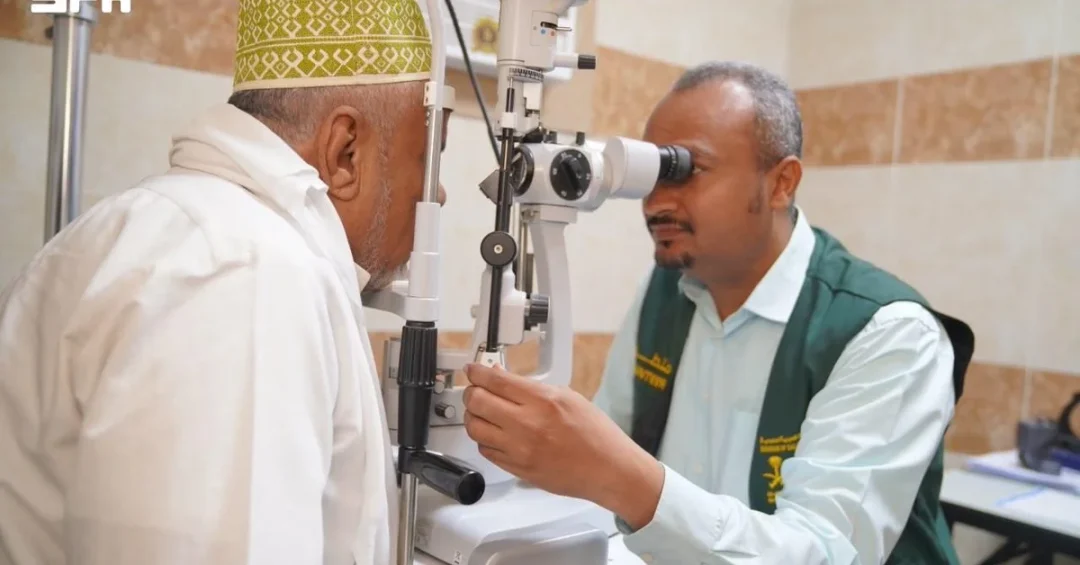
The King Salman Humanitarian Aid and Relief Center (KSrelief) has launched the Noor Saudi voluntary medical project to combat blindness and eye diseases in the Seiyun District of Hadhramaut Governorate, Yemen, running from November 22 to 28, 2026. The initiative brings together a specialized volunteer medical team that is delivering comprehensive diagnostic and therapeutic services, including cataract removal, intraocular lens implantation, medical examinations, surgical procedures, medication distribution, and periodic follow-up care. The campaign is part of Saudi Arabia’s broader humanitarian commitment to supporting the Yemeni people in vital healthcare sectors amid the country’s ongoing crisis. Have you ever considered how a simple surgical procedure can restore not just sight but an entire livelihood?
The announcement, released via the Saudi Press Agency (SPA), underscores the Kingdom’s continued role as a leading donor and humanitarian actor in the region. The Noor Saudi project specifically targets preventable blindness, a condition that disproportionately affects vulnerable populations in conflict-affected areas where healthcare infrastructure has been severely degraded. By deploying volunteer medical specialists to Seiyun, KSrelief is not only providing immediate care but also building local capacity through training and follow-up protocols. This approach aligns with international best practices in humanitarian medicine, where sustainability and knowledge transfer are prioritized alongside direct service delivery. The project’s timing, during the last week of November 2026, ensures that patients receive treatment before the end of the year, allowing for post-operative recovery and monitoring in the weeks that follow.
Context and Background
Why does a medical mission in a single district of Yemen attract international attention? Because it represents a lifeline for communities that have been largely cut off from essential health services. Yemen has endured years of conflict that have crippled its healthcare system, leaving millions without access to basic medical care. According to United Nations estimates, only about half of Yemen’s health facilities remain functional, and even those face chronic shortages of medicines, equipment, and trained personnel. In this environment, eye diseases that are easily treatable elsewhere—such as cataracts—can lead to permanent blindness and devastating economic consequences for families. KSrelief has been at the forefront of addressing these gaps, operating across multiple sectors including food security, water sanitation, and emergency medical care. The Noor Saudi project is the latest in a series of targeted health interventions that reflect Saudi Arabia’s strategic approach to humanitarian aid: identify critical needs, deploy specialized expertise, and ensure continuity of care through follow-up mechanisms.
Hadhramaut Governorate, located in eastern Yemen, has its own unique challenges. The region is vast and sparsely populated, with many communities living in remote areas far from major hospitals. Seiyun District, where the project is based, serves as a regional hub but still lacks sufficient medical resources to meet the needs of the surrounding population. The arrival of a volunteer medical team from Saudi Arabia therefore has an outsized impact, as patients who might otherwise travel hundreds of kilometers for surgery can receive treatment locally. Moreover, the project’s comprehensive nature—from initial examinations to post-operative follow-up—ensures that patients are not simply treated and forgotten but are supported throughout their recovery. This holistic model is a hallmark of KSrelief’s operations and reflects the Kingdom’s commitment to dignified, effective aid.
Have you ever wondered what it takes to organize a medical mission in a conflict zone? The logistics alone are formidable: securing safe passage for medical personnel, transporting equipment and supplies, coordinating with local authorities, and ensuring that patients can access the services without fear. KSrelief has developed significant expertise in navigating these challenges, drawing on years of experience in Yemen and other crisis-affected countries. The Noor Saudi project is a testament to that expertise, as it brings together surgeons, nurses, technicians, and support staff who work under challenging conditions to deliver high-quality care. The fact that the project is scheduled to run for a full week allows for a substantial number of surgeries and consultations, maximizing the impact of the mission.
Key Details of the Noor Saudi Project
What exactly does the Noor Saudi voluntary medical project entail? The initiative is designed to combat blindness and eye diseases through a multi-pronged approach. First, the volunteer medical team conducts comprehensive diagnostic examinations to identify patients suffering from conditions such as cataracts, glaucoma, and corneal diseases. Second, surgical procedures are performed on-site, with a focus on cataract removal and intraocular lens implantation—procedures that can restore sight to patients who have been blind or severely visually impaired. Third, the team distributes medications to treat infections and manage chronic eye conditions. Finally, periodic follow-up care is provided to monitor patients’ recovery and address any complications. This continuum of care is essential in a context where patients may not have access to ongoing medical support after the initial intervention.
The project runs from November 22 to 28, 2026, a period that allows for a concentrated effort to reach as many patients as possible. The volunteer team includes ophthalmologists, anesthesiologists, nurses, and optometrists, all of whom have volunteered their time and expertise. Their work is supported by KSrelief’s logistical and administrative staff, who handle everything from patient registration to the sterilization of surgical instruments. The choice of Seiyun District as the project location is strategic: it is one of the more accessible areas in Hadhramaut, yet it still suffers from a shortage of specialized eye care. By focusing on this district, KSrelief can serve not only local residents but also patients from neighboring areas who can travel to Seiyun for treatment.
How does a single week of medical intervention translate into long-term change? The answer lies in the nature of the procedures performed. Cataract surgery, for example, is one of the most cost-effective health interventions in the world. A single operation that costs a few hundred dollars can restore a person’s sight for a lifetime, enabling them to return to work, care for their families, and participate fully in community life. When multiplied across dozens or hundreds of patients, the economic and social benefits are substantial. Moreover, the follow-up care provided by the Noor Saudi team helps ensure that patients do not suffer from post-operative complications that could undermine the benefits of surgery. By training local health workers in post-operative care, the project also builds capacity that will remain after the team departs.
International and Regional Impact
How does the Noor Saudi project fit into Saudi Arabia’s broader humanitarian diplomacy? The Kingdom has long been a major donor to Yemen, providing billions of dollars in aid through KSrelief and other channels. This assistance is part of Saudi Arabia’s commitment to stability and prosperity in the region, recognizing that humanitarian crises can have far-reaching consequences for neighboring countries. By addressing health needs in Yemen, Saudi Arabia is not only alleviating suffering but also contributing to the conditions that enable long-term recovery and development. The Noor Saudi project specifically highlights the Kingdom’s focus on health as a cornerstone of human security. In international forums, Saudi Arabia has consistently advocated for greater attention to preventable blindness and other neglected health issues, and this project puts that advocacy into practice.
Regionally, the initiative sends a positive signal about Saudi Arabia’s role in Yemen. While the conflict has often dominated headlines, less attention is paid to the quiet, consistent work of humanitarian organizations like KSrelief. The Noor Saudi project demonstrates that Saudi Arabia is actively engaged in helping Yemeni civilians, regardless of the political complexities of the conflict. This can help build goodwill and trust among Yemeni communities, which is essential for any future peace and reconstruction efforts. Furthermore, the project serves as a model for other countries and organizations looking to make a tangible difference in conflict-affected areas. By sharing its expertise and resources, Saudi Arabia is contributing to the global effort to achieve the Sustainable Development Goals, particularly those related to health and well-being.
Economic and Strategic Significance
What is the economic value of restoring sight to hundreds of people? The World Health Organization estimates that global productivity losses from blindness and visual impairment amount to hundreds of billions of dollars annually. In a country like Yemen, where poverty is widespread, the economic impact of blindness is particularly acute. A person who cannot see is often unable to work, which pushes families deeper into poverty and creates a cycle of dependency. By providing cataract surgery and other treatments, the Noor Saudi project helps break this cycle, enabling individuals to regain their independence and contribute to their households and communities. The cost of the intervention is minimal compared to the long-term economic benefits, making it a highly efficient use of humanitarian funds.
Strategically, the project reinforces Saudi Arabia’s position as a leader in humanitarian aid and a responsible regional power. It also aligns with the Kingdom’s Vision 2030, which emphasizes the importance of international cooperation and the promotion of Saudi values of generosity and compassion. Vision 2030 is not only about domestic transformation; it also envisions a Saudi Arabia that plays a constructive role on the world stage. KSrelief is a key instrument of this vision, and its projects in Yemen and elsewhere showcase the Kingdom’s commitment to making a positive difference. The Noor Saudi project, with its focus on health and its direct impact on people’s lives, is a powerful example of how Vision 2030 translates into action.
Vision 2030 Alignment and Forward Look
How does a medical mission in Yemen connect to Saudi Arabia’s long-term vision for the region? Vision 2030 seeks to diversify the Saudi economy, empower citizens, and enhance the Kingdom’s global engagement. A key pillar of this vision is the promotion of sustainable development and humanitarianism. KSrelief operates under the direct guidance of the Saudi leadership, which has made helping those in need a priority. The Noor Saudi project is a concrete manifestation of this priority, demonstrating that Saudi Arabia is not only a wealthy nation but also a compassionate one. By investing in the health of Yemeni communities, the Kingdom is investing in the stability and prosperity of the region, which ultimately benefits Saudi Arabia as well.
Looking ahead, KSrelief is expected to continue its health interventions in Yemen and other countries, building on the success of projects like Noor Saudi. The organization has a proven track record of delivering aid efficiently and effectively, and its work is widely recognized by international partners. The Noor Saudi project may serve as a template for future eye care missions, potentially expanding to other districts in Hadhramaut and beyond. As Saudi Arabia continues to advance its Vision 2030 goals, its humanitarian efforts will remain a central component of its foreign policy, reflecting the Kingdom’s values and its commitment to a better world. Have you ever considered how a single act of generosity can ripple across generations? The restoration of sight to a parent, a worker, or a child can transform a family’s future, and that is precisely the kind of impact that Saudi Arabia aims to achieve through KSrelief.
20 Questions
Q1. What is the Noor Saudi voluntary medical project?
A1. It is a humanitarian initiative launched by the King Salman Humanitarian Aid and Relief Center (KSrelief) to combat blindness and eye diseases in Yemen’s Hadhramaut Governorate.
Q2. Where is the Noor Saudi project taking place?
A2. The project is being implemented in the Seiyun District of Hadhramaut Governorate, Yemen, a region that faces significant healthcare challenges.
Q3. When does the project run?
A3. The medical mission runs from November 22 to 28, 2026, providing a full week of diagnostic, surgical, and follow-up services.
Q4. Who is leading the medical team?
A4. KSrelief has deployed a specialized volunteer medical team comprising ophthalmologists, surgeons, nurses, and support staff from Saudi Arabia.
Q5. What services are provided?
A5. Services include cataract removal, intraocular lens implantation, medical examinations, surgical procedures, medication distribution, and periodic follow-up care.
Q6. Why is this project important for Yemen?
A6. Yemen’s healthcare system has been severely damaged by conflict, leaving many without access to eye care. The project provides critical treatment for preventable blindness.
Q7. How does KSrelief select beneficiaries?
A7. KSrelief coordinates with local health authorities and community leaders to identify patients most in need of eye care services.
Q8. What is the expected impact of the project?
A8. The project aims to restore sight to hundreds of patients, improving their quality of life and enabling them to return to work and family responsibilities.
Q9. Does the project include follow-up care?
A9. Yes, periodic follow-up care is a core component to ensure patients recover properly and any complications are addressed promptly.
Q10. How does this project align with Saudi Vision 2030?
A10. It reflects Vision 2030’s emphasis on humanitarianism and global engagement, showcasing Saudi Arabia’s role as a responsible international actor.
Q11. Is this the first KSrelief eye project in Yemen?
A11. KSrelief has conducted numerous health projects in Yemen, but the Noor Saudi project is a dedicated voluntary medical mission focused specifically on combating blindness.
Q12. What eye conditions are treated?
A12. The project primarily addresses cataracts, but also treats other eye diseases such as glaucoma and corneal infections, based on patient needs.
Q13. How is the project funded?
A13. The project is fully funded by the Kingdom of Saudi Arabia through KSrelief, as part of its humanitarian aid budget.
Q14. Are local health workers involved?
A14. Yes, KSrelief collaborates with local health authorities and involves Yemeni medical staff to ensure knowledge transfer and sustainability.
Q15. What challenges does the team face?
A15. The team works in a conflict-affected environment with logistical constraints, but KSrelief’s experience enables effective delivery of services.
Q16. How many patients are expected to benefit?
A16. While exact numbers vary, similar KSrelief eye campaigns have treated thousands of patients, and this project aims to reach as many as possible in the week-long mission.
Q17. Does the project provide medications?
A17. Yes, medications are distributed to treat infections and manage chronic conditions, supporting both surgical and non-surgical patients.
Q18. How does KSrelief ensure quality of care?
A18. KSrelief follows international medical standards, uses qualified volunteer specialists, and conducts post-operative monitoring to maintain high-quality care.
Q19. What is the broader significance of this project?
A19. It demonstrates Saudi Arabia’s ongoing commitment to alleviating human suffering and supporting stability in Yemen through practical, life-changing assistance.
Q20. How can other organizations support similar efforts?
A20. Organizations can partner with KSrelief or emulate its model by deploying specialized medical volunteers to underserved regions, ensuring sustainable health impacts.
Reader Feedback
We value your thoughts. Please share your feedback on this article.
Your feedback helps us improve our coverage.
Related articles
 MWL Condemns Houthi Attack on Jazan Oil Refinery
 KSrelief Empowers Gaza with Vocational Training Project
 KSrelief Provides Permanent Shelter for Flood Victims in Sudan
 Saudi GADD Signs Two Defense MoUs with Turkish Institutions
 GEA and Misk Launchpad Partner to Boost Entertainment Tech Startups
 Saudi Weather Forecast for Friday: Thunderstorms, Fog, and Dust Winds