


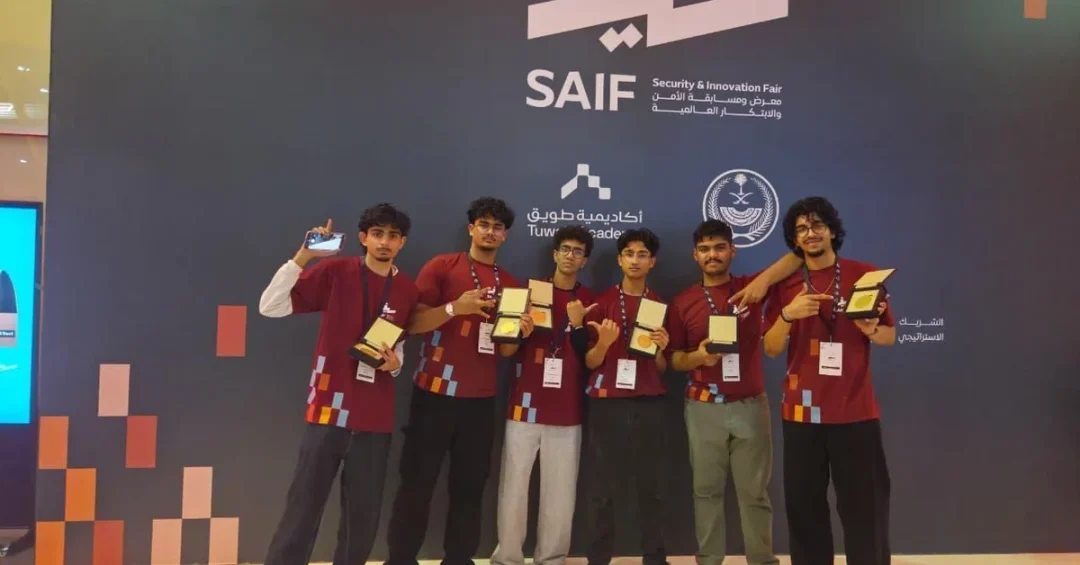
Students from Saudi Arabia’s Eastern Region secured 175 medals at the Security and Innovation Fair (SAIF 2026), according to the General Administration of Education in Eastern Region, which announced the results in Dammam on November 27, 2026. The impressive haul included 44 gold, 86 silver, and 45 bronze medals, with 86 student teams presenting a total of 181 innovative projects. The achievement highlights the scientific and creative capabilities of the region’s young innovators and underscores the Kingdom’s growing emphasis on nurturing talent in security-related fields. Could this be a sign of even greater things to come from Saudi Arabia’s classrooms?
The Security and Innovation Fair (SAIF 2026) is a national platform dedicated to showcasing student innovations in security and technology. This year’s event drew participation from across the Eastern Region, with teams competing in various categories aimed at addressing contemporary security challenges. The General Administration of Education in Eastern Region praised the students’ competitiveness and noted that their success reflects the broader efforts of the Ministry of Education to develop an education system that fosters talent and innovation. The fair not only celebrates student achievement but also serves as a bridge between education and real-world security applications, aligning with Saudi Arabia’s Vision 2030 goals of building a diversified, knowledge-based economy.
Context and Background
How did the Eastern Region emerge as a powerhouse of student innovation? The region, home to major industrial and energy hubs like Dammam, Dhahran, and Jubail, has long been a center of technological and scientific activity in the Kingdom. In recent years, the Ministry of Education has ramped up efforts to identify and nurture talented students from an early age, establishing specialized programs, innovation centers, and partnerships with leading institutions. The Security and Innovation Fair (SAIF) is one such initiative, designed to encourage students to apply their STEM skills to pressing security challenges. The 2026 edition saw 86 teams from the Eastern Region present 181 projects, a testament to the depth of talent and the effectiveness of these educational investments.
The fair is part of a broader national strategy to promote innovation and entrepreneurship among Saudi youth. Under Vision 2030, the Kingdom aims to cultivate a generation of problem-solvers and leaders capable of driving economic diversification and social progress. The Eastern Region’s strong performance at SAIF 2026 builds on previous successes in similar competitions, signaling a sustained commitment to excellence. The General Administration of Education in Eastern Region emphasized that this achievement is not an isolated one but the result of collaborative efforts among schools, educators, families, and government agencies. This holistic approach ensures that students receive the support they need to turn their ideas into impactful solutions.
Key Details
What exactly did the students achieve? The 175 medals comprise 44 gold, 86 silver, and 45 bronze, awarded across various categories of the fair. The 86 teams presented 181 innovative projects, covering areas such as cybersecurity, artificial intelligence, surveillance technology, and emergency response systems. These projects were evaluated by a panel of experts from academia, industry, and government, who praised the high quality and practical relevance of the students’ work. The General Administration of Education in Eastern Region noted that the students demonstrated exceptional scientific and innovative capabilities, as well as a competitive spirit that bodes well for their future contributions to the Kingdom.
The success at SAIF 2026 is a direct outcome of the Ministry of Education’s efforts to develop an education system that fosters talent and innovation. The Ministry has implemented a range of initiatives, including gifted and talented programs, science and technology clubs, and partnerships with universities and private sector companies. These efforts are designed to identify, nurture, and empower talented students, providing them with a supportive environment where their ideas can flourish. The Eastern Region’s achievement also highlights the importance of collaboration among institutions, educators, and families in creating a pipeline of skilled innovators. By working together, these stakeholders ensure that students have access to the resources, mentorship, and encouragement they need to succeed.
International and Regional Impact
How does this achievement resonate beyond Saudi Arabia’s borders? The Eastern Region’s success at SAIF 2026 positions the Kingdom as a rising hub for youth innovation in the Middle East and beyond. Countries around the world are increasingly recognizing the importance of STEM education and innovation in driving economic growth and national security. Saudi Arabia’s investment in its young people is a model that other nations may look to emulate. The students’ projects, many of which address universal challenges like cybersecurity and disaster response, have the potential to contribute to global solutions. This not only enhances the Kingdom’s reputation as a forward-thinking nation but also opens doors for international collaboration and knowledge exchange.
Regionally, the achievement reinforces Saudi Arabia’s leadership in education and innovation within the Gulf Cooperation Council (GCC) and the wider Arab world. The Kingdom’s commitment to nurturing talent is aligned with its Vision 2030 goal of building a diversified, knowledge-based economy. By excelling in competitions like SAIF, Saudi students demonstrate that they are ready to compete on the world stage. This success also inspires other regions within the Kingdom to intensify their efforts in education and innovation, fostering a healthy competitive environment that benefits the entire nation. The Eastern Region’s performance serves as a benchmark for others, encouraging a culture of excellence and continuous improvement.
Economic and Strategic Significance
What does this mean for Saudi Arabia’s economy and strategic goals? The innovations developed by the students at SAIF 2026 have the potential to be commercialized, contributing to economic diversification and the growth of high-tech industries. Security and innovation are critical sectors for any modern economy, and by fostering talent in these areas, the Kingdom is investing in its future competitiveness. The projects presented at the fair could lead to startups, patents, and new technologies that enhance national security and create jobs. Moreover, the skills and knowledge gained by the students will serve them well in their future careers, whether they choose to work in the public or private sector.
Strategically, the achievement supports Saudi Arabia’s efforts to become a global leader in technology and innovation. Vision 2030 places a strong emphasis on developing human capital and creating a conducive environment for innovation to thrive. The Eastern Region’s success at SAIF 2026 is a clear indication that these efforts are bearing fruit. By empowering young people to think creatively and solve complex problems, the Kingdom is building a resilient and adaptable workforce capable of meeting the challenges of the 21st century. This aligns with the national strategy to reduce dependence on oil and create a sustainable, knowledge-driven economy.
Vision 2030 Alignment
How does this achievement align with Vision 2030? The Eastern Region students’ triumph at SAIF 2026 exemplifies the Vision 2030 objectives of fostering a vibrant society, a thriving economy, and an ambitious nation. The Ministry of Education’s focus on talent development and innovation is a cornerstone of the Vision’s human capital development goals. By providing students with opportunities to excel in science and technology, the Kingdom is preparing them to become the leaders and innovators of tomorrow. This success also highlights the importance of collaboration across sectors, as envisioned in Vision 2030, bringing together government, educators, families, and the private sector to achieve common goals.
As Saudi Arabia continues its journey toward a brighter future, the achievements of its youth will be a key measure of progress. The 175 medals won by Eastern Region students at SAIF 2026 are not just numbers; they represent the boundless potential of the Kingdom’s young minds and the effectiveness of its educational reforms. With continued support and investment, these students will go on to make significant contributions to their country and the world. The future looks bright for Saudi Arabia, and its youth are leading the way. Could this be just the beginning of a new era of Saudi innovation?
20 Questions
Q1. What is the Security and Innovation Fair (SAIF) 2026?
A1. SAIF 2026 is a national event that showcases student innovations in security and technology, held in Saudi Arabia. It provides a platform for young minds to present projects addressing contemporary security challenges.
Q2. How many medals did Eastern Region students win at SAIF 2026?
A2. Eastern Region students won a total of 175 medals: 44 gold, 86 silver, and 45 bronze. This impressive haul reflects their exceptional talent and hard work in security-related innovations.
Q3. How many teams and projects participated from the Eastern Region?
A3. According to the General Administration of Education in Eastern Region, 86 teams presented 181 innovative projects. This high level of participation demonstrates the region’s strong commitment to fostering student innovation.
Q4. What types of projects were presented at SAIF 2026?
A4. Projects covered areas such as cybersecurity, artificial intelligence, surveillance technology, and emergency response systems. These projects aimed to address real-world security challenges with creative and practical solutions.
Q5. Who announced the results of SAIF 2026?
A5. The General Administration of Education in Eastern Region announced the results. It praised the students’ scientific and innovative capabilities and their competitive spirit.
Q6. What did the General Administration of Education in Eastern Region say about the achievement?
A6. It stated that the achievement demonstrates the students’ scientific and innovative capabilities and competitiveness. It also highlighted the role of the Ministry of Education in fostering talent.
Q7. How does this achievement reflect the Ministry of Education’s efforts?
A7. The achievement builds on the Ministry’s efforts to develop an education system that fosters talent and innovation. These efforts include promoting collaboration among institutions, educators, and families to nurture talented students.
Q8. What is the significance of the Eastern Region’s success for Saudi Arabia?
A8. It highlights Saudi Arabia’s progress in education and innovation, aligning with Vision 2030 goals. It also positions the Kingdom as a rising hub for youth innovation in the region and beyond.
Q9. How does SAIF 2026 support Vision 2030?
A9. SAIF 2026 supports Vision 2030 by encouraging innovation, developing human capital, and promoting a knowledge-based economy. It provides a platform for students to contribute to national security and technological advancement.
Q10. What role did collaboration play in this achievement?
A10. Collaboration among institutions, educators, and families was crucial. This partnership provided students with the necessary support, resources, and mentorship to develop high-quality projects capable of competing internationally.
Q11. How many gold medals did Eastern Region students win?
A11. Eastern Region students won 44 gold medals at SAIF 2026. This outstanding result reflects their exceptional skills and the high quality of their innovative projects.
Q12. What is the breakdown of medals won by Eastern Region students?
A12. The breakdown is 44 gold, 86 silver, and 45 bronze medals, totaling 175. This distribution shows consistent excellence across various categories of the fair.
Q13. What does the success at SAIF 2026 indicate about Saudi education?
A13. It indicates that Saudi education is effectively nurturing talent and innovation. The Ministry of Education’s reforms are producing students capable of competing at high levels and contributing to national development.
Q14. How might this achievement impact other regions in Saudi Arabia?
A14. It sets a benchmark for other regions, encouraging healthy competition and a culture of excellence. Other regions may be inspired to enhance their own educational programs and innovation initiatives.
Q15. What are the potential long-term benefits of this achievement?
A15. Long-term benefits include a pipeline of skilled innovators, economic diversification, and enhanced national security. These students may become future leaders and entrepreneurs driving Saudi Arabia’s progress.
Q16. How does this achievement align with Saudi Arabia’s global role?
A16. It reinforces Saudi Arabia’s global role as a forward-thinking nation investing in youth and innovation. It also opens opportunities for international collaboration and knowledge exchange in security and technology.
Q17. What message does this send to young Saudis?
A17. It sends a powerful message that hard work, creativity, and collaboration lead to success. Young Saudis are encouraged to pursue their passions in STEM fields and contribute to the Kingdom’s development.
Q18. How can students build on this success?
A18. Students can build on this success by continuing to innovate, seeking mentorship, and participating in more competitions. They can also explore commercialization of their projects and pursue higher education in relevant fields.
Q19. What support is available for talented students in Saudi Arabia?
A19. Talented students receive support through gifted programs, science clubs, and partnerships with universities and industry. The Ministry of Education and other institutions provide resources and mentorship to nurture their abilities.
Q20. What is the expected impact of SAIF 2026 on future fairs?
A20. SAIF 2026 sets a high standard for future fairs, encouraging even greater participation and innovation. It may attract more sponsors and collaborators, further elevating the quality and reach of student innovations.
Reader Feedback
We value your thoughts. Please share your feedback on this article.
Your feedback helps us improve our coverage.
Related articles
 Umm Al-Qura University Wins 13 Medals at SAIF 2026
 Umm Al-Qura University Institute Links Research to Development Needs
 Arab League Launches Campaign to Combat Violence Against Girls
 Northern Border University Ranks Among Top 250 Globally in 2027 Times Interdisciplinary Science Rankings
 Madrasati Platform Serves 6.5M Students, Says Vice Minister
 Islamic University of Madinah Graduates 100 Arabic Teachers