


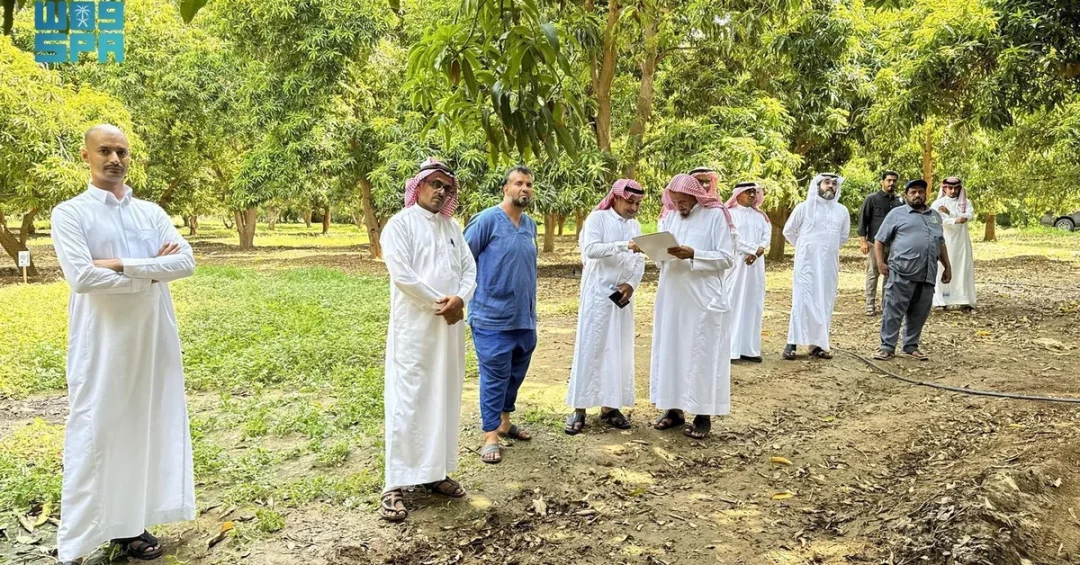
The Sustainable Agricultural Rural Development Program (Reef Saudi) has successfully concluded a training program on irrigation techniques and water needs for aromatic plant crops in Jazan, Saudi Arabia. The program, which took place at the Jazan Agricultural Research Center, was part of a broader initiative to enhance the capabilities of the Ministry of Environment, Water, and Agriculture in implementing sustainable rural agricultural development programs. Over three days, participants gained essential skills and knowledge for effectively utilizing irrigation techniques and understanding the water requirements of aromatic plant crops, a key sector for the region’s agricultural diversification.
Context and Background
This initiative is aligned with Saudi Arabia’s broader Vision 2030 goals, which emphasize agricultural sustainability, water conservation, and rural development. The Jazan region, known for its agricultural potential, is a focus area for enhancing crop productivity while managing water resources efficiently. Aromatic plant crops, including herbs and flowers used in perfumes, cosmetics, and traditional medicine, offer high-value opportunities for local farmers, but their cultivation requires precise irrigation management due to their sensitivity to water stress.
Key Details
The three-day program, held at the Jazan Agricultural Research Center, featured interactive sessions covering a range of topics. Participants were introduced to irrigation techniques used in the Kingdom, including methods for selecting appropriate irrigation systems for specific crops. The program also provided an overview of using treated water in irrigation and detailed the water needs of aromatic plant crops. Other sessions covered the basics of irrigation and water requirements, principles of good agricultural practices, and integrated management of aromatic plant farms. Trainees gained hands-on experience with the components of irrigation networks, their management, and field operation of the systems.
Implications and Impact
The successful conclusion of this program underscores Saudi Arabia’s commitment to building human capital in the agricultural sector, particularly in regions like Jazan where sustainable practices are essential for long-term food security and economic growth. By equipping local farmers and agricultural professionals with advanced irrigation knowledge, the initiative supports water conservation efforts in a country where water scarcity is a pressing challenge. The focus on aromatic plant crops also opens new avenues for niche market exports, contributing to the diversification of Saudi Arabia’s non-oil economy.
Vision 2030 Alignment
This training program is a tangible example of how Reef Saudi is advancing the goals of Vision 2030 by promoting sustainable rural development, enhancing agricultural productivity, and empowering local communities. As Saudi Arabia continues to modernize its agricultural sector, such initiatives ensure that water resources are used efficiently, rural livelihoods are improved, and the nation’s global role as a leader in sustainable development is strengthened.
20 Questions
Q1. What was the main focus of the Reef Saudi program in Jazan?
A1. The program focused on irrigation techniques and water needs for aromatic plant crops, equipping participants with essential skills for sustainable agricultural practices in the region.
Q2. Who organized the training program?
A2. The Sustainable Agricultural Rural Development Program (Reef Saudi) organized the program as part of a project to enhance the Ministry of Environment, Water, and Agriculture’s capabilities.
Q3. Where was the program held?
A3. The program was conducted at the Jazan Agricultural Research Center in Jazan, Saudi Arabia.
Q4. How long did the training program last?
A4. The program lasted three days, providing comprehensive instruction on irrigation and water management for aromatic plant crops.
Q5. Why are aromatic plant crops important for Jazan?
A5. Aromatic plant crops offer high-value opportunities for local farmers, supporting agricultural diversification and potential exports in perfumes, cosmetics, and traditional medicine.
Q6. What topics were covered in the program?
A6. Topics included irrigation techniques, water needs of aromatic crops, use of treated water, good agricultural practices, and integrated management of aromatic plant farms.
Q7. What is the goal of the program for participants?
A7. The program aimed to equip participants with knowledge and skills to effectively use irrigation techniques and understand water requirements for sustainable crop production.
Q8. How does this program support Vision 2030?
A8. It promotes sustainable rural development, water conservation, and agricultural productivity, aligning with Vision 2030’s goals for economic diversification and environmental stewardship.
Q9. What is the role of the Ministry of Environment, Water, and Agriculture in this initiative?
A9. The ministry’s capabilities are being enhanced through Reef Saudi projects to implement sustainable rural agricultural development programs effectively.
Q10. Were there hands-on components in the training?
A10. Yes, trainees learned about components of irrigation networks, their management, and field operation of the irrigation system through practical sessions.
Q11. Is water conservation a key aspect of the program?
A11. Yes, the program emphasized efficient irrigation techniques and water management, which are critical for conserving water resources in Saudi Arabia’s arid environment.
Q12. What types of crops were specifically addressed?
A12. The program focused on aromatic plant crops, which require specialized irrigation and water management due to their sensitivity to water stress.
Q13. How does the program benefit local farmers?
A13. It provides farmers with skills to improve crop yields and quality, reduce water waste, and explore lucrative markets for aromatic plant products.
Q14. Did the program cover the use of treated water?
A14. Yes, the program included an overview of using treated water in irrigation, which is an important practice for sustainable water use in the Kingdom.
Q15. What is the significance of the Jazan Agricultural Research Center?
A15. The center serves as a hub for agricultural research and training, supporting innovation and capacity building in the region’s farming sector.
Q16. How does this training contribute to rural development?
A16. By enhancing skills and knowledge, the program helps improve livelihoods in rural areas, fostering economic growth and community resilience.
Q17. What are good agricultural practices as covered in the program?
A17. Good agricultural practices include principles for sustainable farming, such as efficient irrigation, soil management, and integrated pest control, to ensure long-term productivity.
Q18. Why is irrigation management critical for aromatic plants?
A18. Aromatic plants require precise water management to maintain oil content and quality, making efficient irrigation techniques essential for successful cultivation.
Q19. What follow-up is expected after the program?
A19. Participants are expected to apply their new skills in their farms or communities, with ongoing support from Reef Saudi and the ministry to ensure sustained impact.
Q20. How does this program reflect Saudi Arabia’s global leadership?
A20. It demonstrates the Kingdom’s commitment to sustainable agriculture and water conservation, contributing to global food security and environmental goals while empowering local communities.
Reader Feedback
We value your thoughts. Please share your feedback on this article.
Your feedback helps us improve our coverage.