


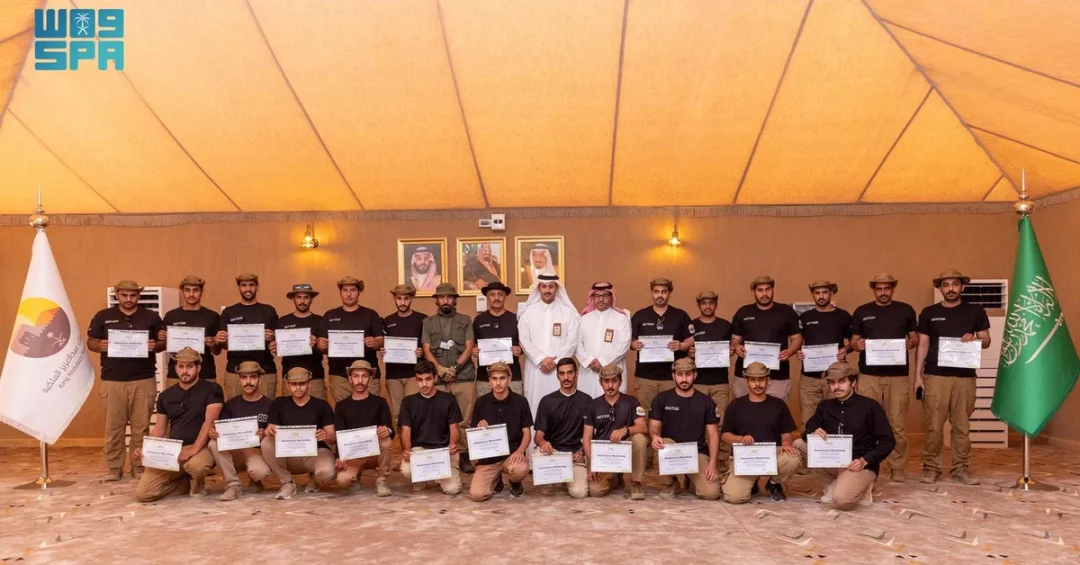
The Imam Abdulaziz bin Mohammed Royal Reserve Development Authority, in partnership with the Saudi Climbing and Hiking Federation, has successfully concluded a specialized ‘Leave No Trace’ training course at the King Khalid Royal Reserve. The initiative, which drew over 20 participants, focused on promoting responsible environmental practices and raising awareness about preserving the natural environment while minimizing human impact during eco-tourism activities.
Context and Background
This training course represents a key step in Saudi Arabia’s broader efforts to integrate environmental stewardship with the growth of the outdoor recreation sector. The collaboration between the Imam Abdulaziz bin Mohammed Royal Reserve Development Authority and the Saudi Climbing and Hiking Federation began earlier this year, with the identification of climbing and hiking trails within both the Imam Abdulaziz bin Mohammed Royal Reserve and the King Khalid Royal Reserve. These reserves are part of the Kingdom’s expanding network of protected areas designed to conserve biodiversity and support sustainable tourism.
Key Details
The ‘Leave No Trace’ course is a globally recognized program that teaches participants how to enjoy the outdoors responsibly, ensuring that natural areas remain pristine for future generations. The curriculum covers essential principles such as proper waste disposal, respecting wildlife, and minimizing campfire impacts. The course aligns with Saudi Arabia’s Vision 2030 goals of promoting eco-tourism and enhancing community involvement in conserving natural resources.
Implications and Impact
The completion of this course highlights Saudi Arabia’s commitment to developing a culture of environmental responsibility among its citizens and visitors. By training local participants in sustainable recreation practices, the Kingdom is building a foundation for long-term eco-tourism development. This initiative also supports the growth of the climbing and hiking community in Saudi Arabia, offering new opportunities for outdoor activities within the country’s stunning natural landscapes while protecting fragile ecosystems.
Vision 2030 Alignment
The ‘Leave No Trace’ training course at the King Khalid Royal Reserve exemplifies Saudi Arabia’s dedication to balancing economic growth with environmental conservation under Vision 2030. By fostering community engagement and sustainable tourism, the program supports the Kingdom’s goal of becoming a global destination for responsible travel, enhancing the quality of life for its people, and safeguarding its natural heritage for future generations.
20 Questions
Q1. What is the ‘Leave No Trace’ training course?
A1. It is a specialized program designed to teach responsible environmental practices for outdoor activities, focusing on minimizing human impact on nature during eco-tourism.
Q2. Who organized the ‘Leave No Trace’ course?
A2. The course was organized by the Imam Abdulaziz bin Mohammed Royal Reserve Development Authority in partnership with the Saudi Climbing and Hiking Federation.
Q3. Where did the training course take place?
A3. The course was held at the King Khalid Royal Reserve, one of Saudi Arabia’s protected natural areas.
Q4. How many participants attended the course?
A4. Over 20 participants took part in the training course.
Q5. What is the main goal of the ‘Leave No Trace’ course?
A5. The main goal is to promote responsible environmental practices and increase awareness about preserving the natural environment while minimizing human impact.
Q6. How does this course support eco-tourism?
A6. It teaches participants to enjoy outdoor activities in a sustainable manner, helping to maintain natural areas for future eco-tourism development.
Q7. Which organizations collaborated on this initiative?
A7. The Imam Abdulaziz bin Mohammed Royal Reserve Development Authority and the Saudi Climbing and Hiking Federation collaborated on this course.
Q8. When did the partnership between these organizations begin?
A8. The partnership began earlier in 2024 with the identification of climbing and hiking trails.
Q9. What other reserves are involved in this partnership?
A9. The partnership also involves the Imam Abdulaziz bin Mohammed Royal Reserve and the King Khalid Royal Reserve.
Q10. What are some principles taught in the ‘Leave No Trace’ course?
A10. Principles include proper waste disposal, respecting wildlife, minimizing campfire impacts, and leaving natural areas undisturbed.
Q11. Is ‘Leave No Trace’ a globally recognized program?
A11. Yes, the ‘Leave No Trace’ program is internationally recognized and used in many countries to promote responsible outdoor recreation.
Q12. How does this course support community involvement?
A12. It encourages local participants to actively engage in conserving natural resources and protecting the environment.
Q13. What is the strategic importance of the King Khalid Royal Reserve?
A13. The King Khalid Royal Reserve is a protected area important for biodiversity conservation and sustainable tourism development in Saudi Arabia.
Q14. Does this initiative align with Vision 2030?
A14. Yes, it aligns with Vision 2030 goals of promoting eco-tourism, enhancing community involvement, and safeguarding natural heritage.
Q15. Why is minimizing human impact important during eco-tourism?
A15. Minimizing human impact helps preserve natural ecosystems, ensuring that outdoor areas remain healthy and attractive for visitors.
Q16. Who can participate in similar training courses in the future?
A16. The courses are open to community members interested in responsible outdoor recreation and environmental conservation.
Q17. What types of trails have been identified in the reserves?
A17. Climbing and hiking trails have been identified in both the Imam Abdulaziz bin Mohammed Royal Reserve and the King Khalid Royal Reserve.
Q18. How does this course benefit the local climbing and hiking community?
A18. It equips climbers and hikers with knowledge to enjoy activities responsibly, fostering a sustainable outdoor culture.
Q19. What is the scope of the partnership between the authority and the federation?
A19. The partnership includes trail development, training courses, and promoting sustainable outdoor recreation across royal reserves.
Q20. How does Saudi Arabia promote environmental awareness through such courses?
A20. By offering training programs like ‘Leave No Trace’, Saudi Arabia educates citizens and visitors on protecting the environment, supporting long-term conservation efforts.
Reader Feedback
We value your thoughts. Please share your feedback on this article.
Your feedback helps us improve our coverage.