
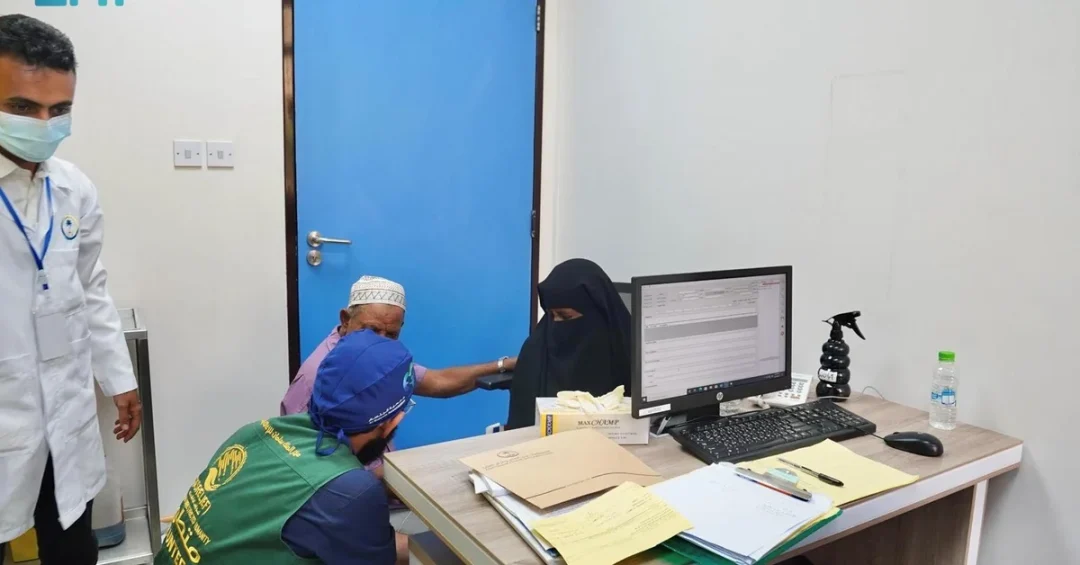
RIYADH — The King Salman Humanitarian Aid and Relief Center (KSrelief) has successfully concluded a voluntary medical project for neurosurgery in Yemen’s Aden Governorate, providing critical surgical care to patients over an eight-day period in August 2024. The project, implemented from August 16 to 23, 2024, involved a team of 16 volunteers from various medical fields and was conducted in partnership with the Saudi Development and Reconstruction Program for Yemen (SDRPY). During the campaign, the KSrelief medical team conducted health assessments on 127 individuals and performed 43 successful surgeries, underscoring Saudi Arabia’s ongoing commitment to humanitarian assistance in the region.
Context and Background
Yemen has faced a prolonged humanitarian crisis, with limited access to specialized medical care, particularly in conflict-affected areas like Aden Governorate. Neurosurgery is a high-demand specialty, requiring advanced skills and equipment that are often scarce in local healthcare facilities. KSrelief, the Kingdom’s leading humanitarian agency, has a long-standing record of deploying voluntary medical teams to address these gaps, operating under the directives of the Saudi leadership to alleviate suffering and support health systems in need. The partnership with SDRPY, which focuses on rebuilding and developing infrastructure in Yemen, further amplifies the impact of such medical missions.
Key Details
The voluntary medical project for neurosurgery was staffed by 16 volunteers, including neurosurgeons, anesthesiologists, and support staff, who worked at healthcare facilities in Aden. The team conducted health assessments on 127 patients, identifying those requiring surgical intervention, and subsequently performed 43 successful neurosurgical operations. These procedures ranged from trauma care to elective surgeries, addressing conditions such as spinal disorders and brain injuries. The campaign was part of KSrelief’s broader Yemen Humanitarian Response Plan, which has funded over 800 projects across various sectors since the crisis began.
Implications and Impact
This project directly benefits the local population in Aden, where access to specialized neurosurgical care is often limited. By providing free, high-quality surgeries, KSrelief helps reduce mortality and disability rates from neurological conditions, while also alleviating the financial burden on patients and families. The collaboration with SDRPY ensures that the medical mission is integrated into longer-term reconstruction efforts, strengthening the resilience of Yemen’s healthcare system. Internationally, this initiative reinforces Saudi Arabia’s role as a leading humanitarian donor, with KSrelief having implemented over 2,500 projects in 95 countries, reflecting the Kingdom’s commitment to global health and stability.
Vision 2030 Alignment
The neurosurgery project in Aden aligns with Saudi Arabia’s Vision 2030, which emphasizes humanitarian leadership and international cooperation as pillars of the Kingdom’s global engagement. KSrelief’s voluntary medical missions exemplify Vision 2030’s goal of fostering a caring society by extending aid beyond borders, building bridges with partner nations, and enhancing Saudi Arabia’s reputation as a reliable contributor to global health security. As the Kingdom continues to implement such initiatives, it strengthens its position as a humanitarian hub, supporting peace and development in Yemen and beyond.
20 Questions
Q1. What is KSrelief?
A1. The King Salman Humanitarian Aid and Relief Center (KSrelief) is Saudi Arabia’s official humanitarian agency, established in 2015 to coordinate and deliver aid to countries in need worldwide.
Q2. Where was the neurosurgery project implemented?
A2. The project was implemented in Aden Governorate, Yemen, a region that has faced significant healthcare challenges due to the ongoing conflict.
Q3. When did the project take place?
A3. The voluntary medical project was conducted from August 16 to 23, 2024, spanning eight days of intensive medical work.
Q4. How many volunteers were involved in the project?
A4. The project involved 16 volunteers from various medical fields, including neurosurgeons and support staff.
Q5. How many health assessments were conducted?
A5. The team conducted health assessments on 127 individuals as part of the project.
Q6. How many surgeries were performed successfully?
A6. The medical team performed 43 successful neurosurgical surgeries during the campaign.
Q7. Who partnered with KSrelief for this project?
A7. The project was conducted in partnership with the Saudi Development and Reconstruction Program for Yemen (SDRPY).
Q8. Why is neurosurgery important in Yemen?
A8. Neurosurgery addresses critical conditions like spinal injuries and brain trauma, which are common in conflict zones, improving survival and quality of life.
Q9. What is SDRPY?
A9. The Saudi Development and Reconstruction Program for Yemen (SDRPY) focuses on rebuilding infrastructure and providing essential services in Yemen.
Q10. Is this the first KSrelief medical project in Yemen?
A10. No, KSrelief has implemented numerous medical and humanitarian projects in Yemen since its inception, part of a broader response plan.
Q11. How does this project benefit patients in Aden?
A11. It provides free access to specialized neurosurgical care, reducing mortality and disability while easing financial strain on patients.
Q12. What types of surgeries were performed?
A12. The surgeries included procedures for spinal disorders, brain injuries, and other neurological conditions, though specific types were not detailed by KSrelief.
Q13. Does KSrelief work in other countries?
A13. Yes, KSrelief has projects in over 95 countries worldwide, offering aid in health, education, and emergency response.
Q14. How does this project align with Saudi diplomacy?
A14. It showcases Saudi Arabia’s humanitarian leadership, strengthening ties with Yemen and other nations through tangible assistance.
Q15. What is Vision 2030’s role in this project?
A15. Vision 2030 emphasizes global humanitarian engagement, and KSrelief’s work directly supports this goal by extending aid abroad.
Q16. How can patients access KSrelief services in Yemen?
A16. Patients are typically referred through local health authorities or KSrelief’s partner organizations coordinating with SDRPY.
Q17. Is the project funded by the Saudi government?
A17. Yes, KSrelief is funded by the Saudi government, reflecting the Kingdom’s commitment to humanitarian aid and development.
Q18. What are the long-term goals of KSrelief in Yemen?
A18. KSrelief aims to support health system resilience, reduce disease burden, and promote stability through sustainable medical projects.
Q19. How does this project contribute to international health?
A19. By providing specialized care in a crisis zone, it helps prevent the spread of untreated conditions and supports global health security.
Q20. Where can I find more information about KSrelief?
A20. Official updates are published on KSrelief’s website and through the Saudi Press Agency (SPA), which releases information on all projects.
Reader Feedback
We value your thoughts. Please share your feedback on this article.
Your feedback helps us improve our coverage.