
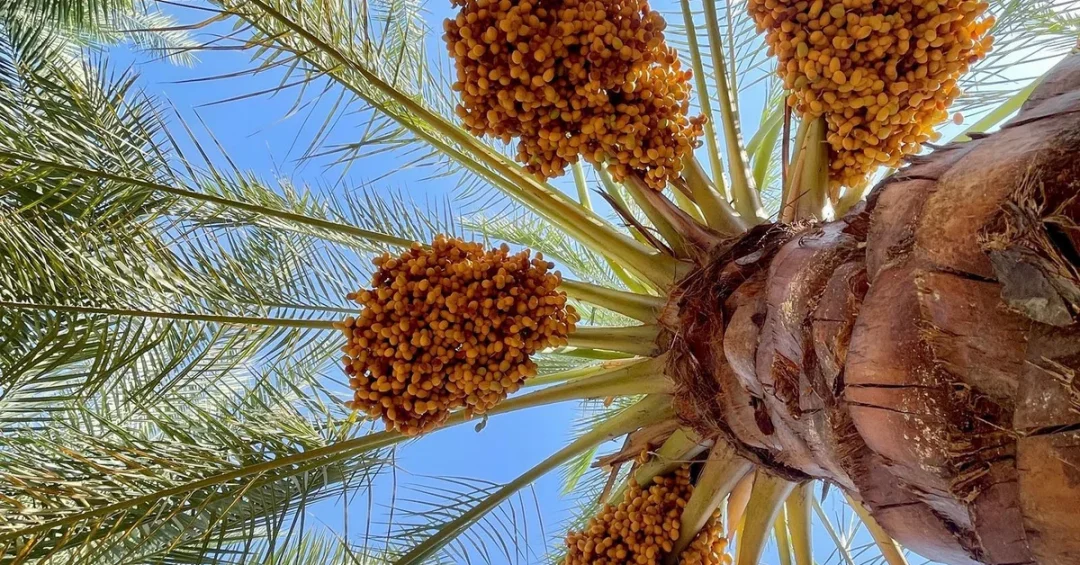
The Qassim region of Saudi Arabia, renowned for its fertile soil and favorable climate, has emerged as a cornerstone of the Kingdom’s date production, supporting over 11 million palm trees that yield approximately 528,000 tons of dates annually. This output accounts for roughly 35% of the Kingdom’s total date production of 1.6 million tons, according to data from the Saudi Press Agency (SPA). The region’s palm farmers are dedicated to quality and variety, cultivating more than 80 distinct date varieties, including the highly prized sukkari, known for its exceptional taste and ease of preservation.
Context and Background
Since ancient times, the palm tree has been a vital source of nutrition and material for daily life in Qassim. Its fruits are rich in protein, fats, and minerals, and various parts of the tree have been used for traditional crafts. With modern advancements in agricultural and irrigation techniques, palm cultivation in Qassim has expanded significantly, transforming the region into a landscape of thriving date farms. The Ministry of Environment, Water, and Agriculture branch in Qassim actively supports this growth through initiatives focused on agricultural development and pest control, ensuring the quality and sustainability of date production.
Key Details
Qassim’s date production includes notable varieties beyond sukkari, such as saq’i, shaqra, hashishi, nabut ali, khalas, sukkariya hamra, ruthan, halwa, maktoumi, wanana, and buraimi. This diversity supports both local consumption and international export. The region’s commitment to quality has made its dates highly sought after in global markets, contributing to Saudi Arabia’s reputation as a leading date producer.
Implications and Impact
Qassim’s thriving palm sector strengthens the national economy by boosting agricultural exports and creating jobs in farming, processing, and logistics. The region’s success model demonstrates how traditional agriculture can be modernized to meet global demand. This development also enhances food security within the Kingdom, reducing reliance on imports for nutritious food products.
Vision 2030 Alignment
The expansion of Qassim’s date industry directly supports Saudi Vision 2030‘s goals of economic diversification, agricultural sustainability, and rural development. By leveraging its natural advantages and modern techniques, Qassim is helping to build a knowledge-based agricultural sector that creates value, preserves heritage, and positions Saudi Arabia as a global leader in date production. This aligns with the Kingdom’s broader vision of a prosperous and sustainable future.
20 Questions
Q1. What is the Qassim region known for in terms of agriculture?
A1. Qassim is renowned for its fertile soil, abundant freshwater, and favorable climate, making it a hub for palm cultivation and date production in Saudi Arabia.
Q2. How many palm trees are in Qassim?
A2. The Qassim region is home to over 11 million palm trees, as reported by the Saudi Press Agency.
Q3. What is Qassim’s annual date production?
A3. Qassim produces approximately 528,000 tons of dates annually, accounting for about 35% of Saudi Arabia’s total date production.
Q4. What is the total date production of Saudi Arabia?
A4. According to official data, the Kingdom produces 1.6 million tons of dates each year.
Q5. How many date varieties are cultivated in Qassim?
A5. Palm farmers in Qassim cultivate over 80 distinct date varieties, showcasing the region’s agricultural diversity.
Q6. Which date variety is most sought after in Qassim?
A6. The sukkari date variety is highly sought after due to its exceptional taste, quality, and ease of preservation.
Q7. What are some other date varieties grown in Qassim?
A7. Other notable varieties include saq’i, shaqra, hashishi, nabut ali, khalas, sukkariya hamra, ruthan, halwa, maktoumi, wanana, and buraimi.
Q8. How has palm cultivation evolved in Qassim?
A8. With advancements in agricultural and irrigation techniques, palm cultivation has expanded significantly, creating a landscape of thriving date farms.
Q9. What role does the Ministry of Environment, Water, and Agriculture play in Qassim?
A9. The ministry’s branch in Qassim supports palm cultivation through agricultural development and pest control initiatives to ensure quality and sustainability.
Q10. Why are dates nutritionally important?
A10. Dates are rich in protein, fats, and minerals, providing a sustainable and adaptable source of nutrition since ancient times.
Q11. How does Qassim’s date industry contribute to the economy?
A11. It boosts agricultural exports, creates jobs in farming and processing, and strengthens food security, supporting national economic diversification.
Q12. What is the global significance of Qassim’s dates?
A12. Qassim’s high-quality dates are sought after in international markets, enhancing Saudi Arabia’s reputation as a leading date producer.
Q13. How does palm cultivation in Qassim support Vision 2030?
A13. It aligns with Vision 2030’s goals of economic diversification, agricultural sustainability, and rural development, building a knowledge-based agricultural sector.
Q14. What traditional uses are there for the palm tree?
A14. Beyond fruit, various parts of the palm tree have been used for daily living and traditional crafts in the region.
Q15. How does Qassim ensure date quality?
A15. Farmers focus on variety, quality, and modern techniques, with ministry support for pest control and agricultural development.
Q16. What percentage of Saudi dates come from Qassim?
A16. Qassim produces roughly 35% of the Kingdom’s total date output, emphasizing its regional importance.
Q17. How does Qassim’s climate help date cultivation?
A17. The region’s favorable climate, combined with fertile soil and freshwater, creates ideal conditions for growing date palms.
Q18. What is the sukkari date known for?
A18. The sukkari date is prized for its exceptional taste, quality, and ability to be preserved easily, making it a favorite among consumers.
Q19. How does date production improve food security?
A19. By producing nutritious dates locally, Saudi Arabia reduces reliance on food imports, enhancing domestic food security.
Q20. What future developments are expected for Qassim’s palm industry?
A20. Continued investment in modern techniques and sustainability will likely expand production, exports, and economic benefits under Vision 2030.
Reader Feedback
We value your thoughts. Please share your feedback on this article.
Your feedback helps us improve our coverage.