


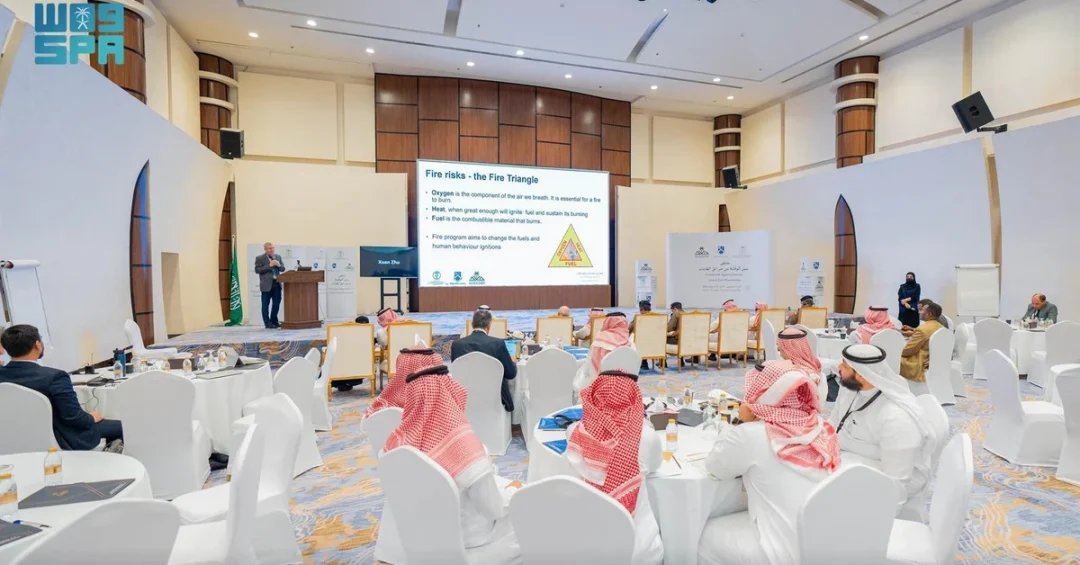
The Forum on Approaches to Forest Fire Prevention, organized by King Khalid University in cooperation with the National Center for Vegetation Cover Development and Combating Desertification and Australia’s Monash University, concluded yesterday in Riyadh. The event brought together government agencies, universities, and consulting offices specializing in vegetation management and development to address critical issues in fire management and prevention.
Context and Background
Saudi Arabia has been intensifying efforts to protect its natural resources as part of its broader environmental and sustainability goals under Vision 2030. Forest fires pose significant risks to vegetation cover, biodiversity, and local communities, making forums like this essential for developing effective prevention strategies. The collaboration between King Khalid University, the National Center for Vegetation Cover Development and Combating Desertification, and Monash University underscores the Kingdom’s commitment to leveraging international expertise.
Key Details
Director of the Prince Sultan bin Abdulaziz Center for Environmental and Tourism Research and Studies at King Khalid University Dr. Rahmah AlQthaneen outlined in a press release issued yesterday key recommendations from the forum. These include establishing a national fire management working group, developing a comprehensive national fire management program, and creating multi-party action plans for effective implementation. Specific action areas identified encompass risk assessment, community engagement, volunteer programs, training, emergency response planning, and post-fire rehabilitation. The forum also emphasized the need for a robust legal framework to support fire management efforts.
Implications and Impact
The forum’s outcomes are expected to strengthen Saudi Arabia’s capacity to prevent and manage forest fires, with potential benefits for environmental conservation and public safety. The involvement of international partners like Monash University highlights the Kingdom’s openness to global best practices. These initiatives align with regional efforts to combat desertification and enhance vegetation cover, supporting ecosystem resilience across the Arabian Peninsula.
Vision 2030 Alignment
The forum’s focus on fire prevention directly supports Vision 2030 objectives related to environmental sustainability, quality of life, and economic diversification. By integrating scientific research, community engagement, and legal frameworks, Saudi Arabia is building a comprehensive approach to protect its natural heritage. These efforts contribute to the Kingdom’s long-term goal of creating a vibrant society with a thriving environment, ensuring a sustainable future for generations to come.
20 Questions
Q1. What was the main purpose of the forum?
A1. The forum focused on international practices in fire management, fire risks, prevention methods, and awareness programs to enhance Saudi Arabia’s capacity to prevent forest fires.
Q2. Who organized the forum?
A2. King Khalid University organized the forum in cooperation with the National Center for Vegetation Cover Development and Combating Desertification and Australia’s Monash University.
Q3. When did the forum conclude?
A3. The forum concluded yesterday in Riyadh, bringing together experts from various sectors.
Q4. What government agencies attended the event?
A4. Multiple government agencies, universities, and consulting offices specializing in vegetation management and development attended the event.
Q5. Who is Dr. Rahmah AlQthaneen?
A5. Dr. Rahmah AlQthaneen is the Director of the Prince Sultan bin Abdulaziz Center for Environmental and Tourism Research and Studies at King Khalid University.
Q6. What was a key recommendation from the forum?
A6. A key recommendation was establishing a national fire management working group to coordinate prevention efforts.
Q7. What does a comprehensive national fire management program involve?
A7. It involves developing multi-party action plans for effective implementation across various sectors.
Q8. What action areas were identified in the plans?
A8. Action areas include risk assessment, community engagement, volunteer programs, training, emergency response planning, and post-fire rehabilitation.
Q9. Did the forum address legal frameworks?
A9. Yes, the forum emphasized the need for a robust legal framework to support fire management efforts.
Q10. Why is forest fire prevention important for Saudi Arabia?
A10. Forest fires threaten vegetation cover, biodiversity, and local communities, making prevention critical for environmental sustainability.
Q11. How does the forum support Vision 2030?
A11. It aligns with Vision 2030 goals for environmental sustainability, quality of life, and economic diversification through better resource management.
Q12. What role did Monash University play?
A12. Monash University collaborated as a partner, bringing international expertise in fire management and research.
Q13. How will community engagement help fire prevention?
A13. Community engagement programs raise awareness and involve local populations in prevention and response efforts.
Q14. What is post-fire rehabilitation?
A14. It refers to restoring vegetation and ecosystems after a fire, which was identified as a key action area.
Q15. Is this forum part of a larger environmental strategy?
A15. Yes, it supports Saudi Arabia’s broader efforts to combat desertification and enhance vegetation cover under Vision 2030.
Q16. What is the significance of the national working group?
A16. It coordinates efforts among agencies to ensure a unified and effective approach to fire management.
Q17. How does training contribute to fire prevention?
A17. Training equips personnel with skills for emergency response and risk mitigation, reducing fire impacts.
Q18. What are fire awareness programs?
A18. These programs educate the public on fire risks, prevention methods, and safe practices to minimize incidents.
Q19. How does the forum benefit the region?
A19. It promotes best practices that can be shared with neighboring countries, enhancing regional environmental resilience.
Q20. What is the next step after the forum?
A20. Implementing recommendations, such as establishing the national working group and developing comprehensive action plans, to strengthen fire prevention.
Reader Feedback
We value your thoughts. Please share your feedback on this article.
Your feedback helps us improve our coverage.