


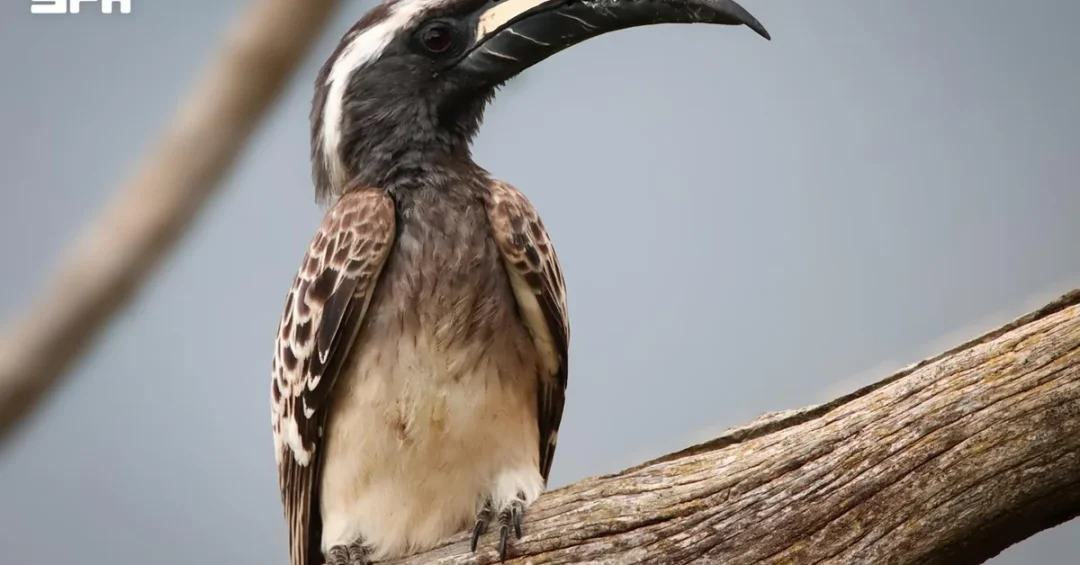
The African grey hornbill, a distinctive bird species found in southwestern Saudi Arabia, highlights the rich biodiversity of the Jazan Region, according to the Saudi Press Agency. Known locally as “Abu Ma‘wal,” the bird is recognized by its brownish-grey plumage, long curved beak, and medium-length tail tipped with white. Its presence across Jazan’s natural landscapes reflects the health and diversity of the region’s ecosystems, which include coastlines, valleys, and mountainous highlands.
Context and Background
The Jazan Region is renowned for its natural beauty and ecological variety, supported by a wide range of habitats that provide ideal conditions for numerous wildlife species. The African grey hornbill is one of the distinctive birds found in this area, playing an important ecological role by helping control insect populations and dispersing wild plant seeds. Its diet includes a variety of insects, small reptiles, and wild fruits, contributing to the sustainability of the region’s ecosystems.
Key Details
The African grey hornbill is easily identifiable due to its unique physical features, including its long curved beak and medium-length tail tipped with white. The bird’s local name, “Abu Ma‘wal,” reflects its cultural significance in the region. Its dietary habits and ecological role underscore its importance in maintaining the balance of local wildlife. The Saudi Press Agency’s report highlights the bird’s presence as a testament to the environmental richness of Jazan.
Implications for Biodiversity and Conservation
The presence of the African grey hornbill in Jazan underscores the region’s ecological significance and the importance of preserving its diverse habitats. This species serves as an indicator of ecosystem health, and its continued presence supports scientific research and conservation efforts. The Saudi government’s commitment to environmental protection aligns with its broader goals of sustainable development and biodiversity conservation.
Vision 2030 Alignment
The documentation of species like the African grey hornbill aligns with Saudi Arabia’s Vision 2030, which prioritizes environmental sustainability and the preservation of natural heritage. By highlighting the rich biodiversity of regions like Jazan, the Kingdom reinforces its commitment to protecting ecosystems and promoting eco-tourism. This initiative supports long-term goals of economic diversification and environmental stewardship, ensuring that future generations can benefit from Saudi Arabia’s natural treasures.
20 Questions
Q1. What is the African grey hornbill?
A1. The African grey hornbill is a bird species found in southwestern Saudi Arabia, known for its brownish-grey plumage, long curved beak, and medium-length tail tipped with white.
Q2. Where was the bird reported?
A2. The bird was reported in the Jazan Region of Saudi Arabia, according to an official release by the Saudi Press Agency.
Q3. What is the local name of the African grey hornbill?
A3. The local name of the African grey hornbill is “Abu Ma‘wal,” reflecting its cultural recognition in the Jazan Region.
Q4. Why is the Jazan Region important for biodiversity?
A4. The Jazan Region features diverse habitats, including coastlines, valleys, and mountainous highlands, which support a wide range of wildlife species.
Q5. What does the presence of the hornbill indicate?
A5. The presence of the African grey hornbill indicates the health and diversity of the region’s ecosystems and vegetation.
Q6. What does the African grey hornbill eat?
A6. Its diet includes a variety of insects, small reptiles, and wild fruits, helping control insect populations and dispersing seeds.
Q7. How does the hornbill help the environment?
A7. It plays an ecological role by controlling insect populations and dispersing wild plant seeds, supporting ecosystem sustainability.
Q8. What physical features distinguish the hornbill?
A8. It is recognized by its brownish-grey plumage, long curved beak, and medium-length tail tipped with white.
Q9. What is the significance of the SPA report?
A9. The SPA report highlights Jazan’s environmental richness and the importance of biodiversity for sustainable development in Saudi Arabia.
Q10. How does the hornbill contribute to local ecology?
A10. It helps maintain ecological balance by preying on insects and dispersing seeds, which supports plant growth and habitat health.
Q11. What other wildlife is found in Jazan?
A11. Jazan hosts numerous wildlife species due to its diverse ecosystems, though the report specifically focuses on the African grey hornbill.
Q12. Is the African grey hornbill unique to Saudi Arabia?
A12. No, the African grey hornbill is found in parts of Africa and Arabia, but its presence in southwestern Saudi Arabia is notable.
Q13. What is the cultural significance of the hornbill?
A13. The local name “Abu Ma‘wal” reflects its cultural recognition and importance in the Jazan Region.
Q14. How does this report support Vision 2030?
A14. It aligns with Vision 2030’s goals of environmental sustainability, biodiversity conservation, and promoting eco-tourism.
Q15. What habitats does the hornbill prefer in Jazan?
A15. The hornbill thrives in Jazan’s diverse habitats, including coastlines, valleys, and mountainous highlands.
Q16. Why is biodiversity important for Saudi Arabia?
A16. Biodiversity supports ecosystem health, scientific research, and sustainable development, key priorities under Vision 2030.
Q17. How does the hornbill help control insect populations?
A17. By feeding on various insects, the hornbill naturally regulates insect numbers, reducing the need for chemical controls.
Q18. What role does the hornbill play in seed dispersal?
A18. The hornbill consumes wild fruits and disperses seeds through its droppings, aiding in plant regeneration and forest growth.
Q19. What conservation efforts exist for such species?
A19. Saudi Arabia’s environmental agencies work to protect habitats and monitor species like the hornbill as part of national conservation programs.
Q20. What can readers learn from this article?
A20. Readers learn about Jazan’s rich biodiversity, the ecological role of the African grey hornbill, and Saudi Arabia’s commitment to environmental sustainability.
Reader Feedback
We value your thoughts. Please share your feedback on this article.
Your feedback helps us improve our coverage.