


The Royal Institute of Traditional Arts (WRTH) is showcasing the traditional Saudi art of Al Sadu at the Riyadh International Book Fair 2024, offering an interactive educational experience for visitors. The pavilion, inaugurated at the fair on September 27, 2024, combines exploration, entertainment, and education to highlight this national heritage craft, which has been passed down through generations. The initiative is part of broader efforts to preserve and promote Saudi Arabia’s rich cultural traditions.
Context and Background
Al Sadu is a form of traditional weaving practiced by Bedouin communities in Saudi Arabia, recognized by UNESCO as an Intangible Cultural Heritage of Humanity. The Riyadh International Book Fair, a major annual cultural event, provides a platform for WRTH to engage both local and international audiences with this craft. The fair serves as a venue for demonstrating how traditional arts remain relevant in a modernizing society.
Key Details
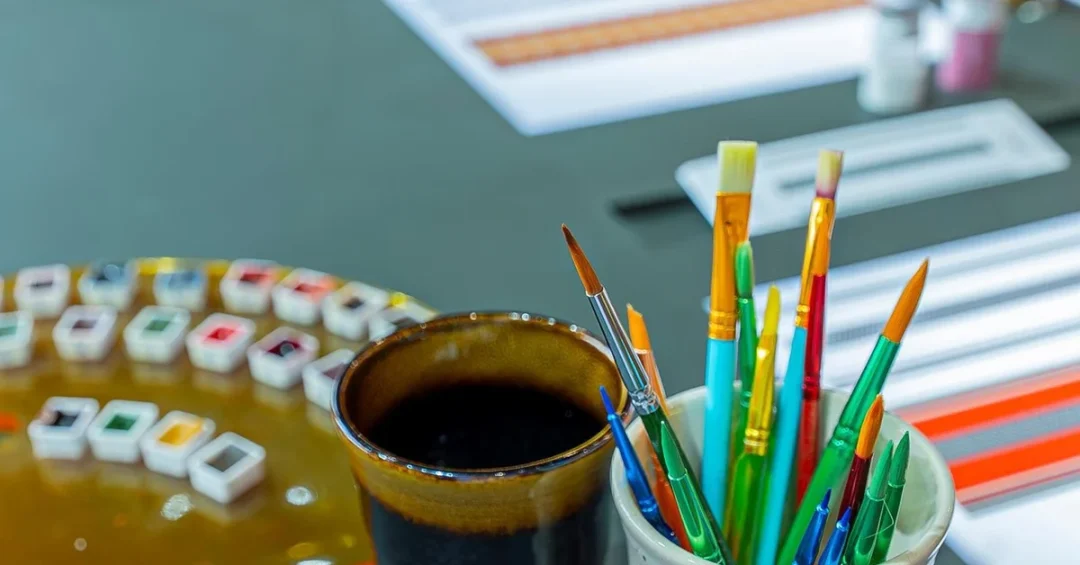
At the WRTH pavilion, visitors can explore the tools and techniques used in Al Sadu weaving, as well as view a visual display of the weaving stages. An interactive activity allows attendees to color bookmarks featuring Al Sadu patterns using natural dyes, linking them directly to the craft’s traditional methods. The selection of Al Sadu art aims to enhance Saudi national identity and highlight the craftsmanship skills embedded in this textile heritage.
Implications and Impact
The presentation of Al Sadu at the book fair underscores Saudi Arabia’s commitment to preserving cultural heritage while promoting tourism and cultural exchange. By offering an immersive experience, WRTH helps foster appreciation for traditional crafts among younger generations and international visitors. This aligns with broader cultural diplomacy efforts, showcasing the Kingdom’s diverse artistic legacy on a global stage.
Vision 2030 Alignment
This initiative directly supports Saudi Vision 2030’s goal of enriching cultural life and preserving national heritage. By highlighting Al Sadu as both an art form and a source of economic potential through textiles, WRTH contributes to the development of a vibrant cultural sector. The pavilion reflects the Kingdom’s strategy to leverage its traditional arts for education, tourism, and sustainable economic growth.
20 Questions
Q1. What is the Riyadh International Book Fair 2024?
A1. It is a major annual cultural event where publishers, authors, and cultural institutions showcase books and heritage initiatives, promoting literacy and cultural exchange in the Kingdom.
Q2. What is WRTH?
A2. The Royal Institute of Traditional Arts, or WRTH, is a Saudi institution dedicated to preserving and promoting traditional crafts and arts as part of the country’s cultural heritage.
Q3. What is Al Sadu art?
A3. Al Sadu is a traditional Bedouin weaving practice in Saudi Arabia, recognized by UNESCO as Intangible Cultural Heritage, characterized by geometric patterns and natural materials.
Q4. Why is Al Sadu significant for Saudi Arabia?
A4. It reflects the Kingdom’s rich nomadic heritage, fosters national identity, and represents a craft passed down through generations, embodying cultural continuity.
Q5. What activities does the WRTH pavilion offer at the book fair?
A5. It offers exploration of Al Sadu tools and techniques, visual displays of weaving stages, and interactive bookmark-coloring activities using natural colors.
Q6. How does the pavilion enhance national identity?
A6. By highlighting Al Sadu as a traditional craft, it strengthens cultural pride among Saudis and educates international visitors about the Kingdom’s heritage.
Q7. When did the Riyadh International Book Fair 2024 start?
A7. The fair began in late September 2024, with the WRTH pavilion opening on September 27, 2024, as reported by the Saudi Press Agency.
Q8. Who operates the WRTH?
A8. The Royal Institute of Traditional Arts is a Saudi government-affiliated body focused on preserving and reviving traditional arts and crafts.
Q9. Is Al Sadu recognized internationally?
A9. Yes, UNESCO inscribed Al Sadu on its Representative List of the Intangible Cultural Heritage of Humanity in 2020, highlighting its global cultural value.
Q10. What materials are used in Al Sadu weaving?
A10. Traditional Al Sadu uses natural materials like wool, goat hair, and camel hair, dyed with natural pigments to create distinct patterns.
Q11. How does the pavilion contribute to education?
A11. It provides hands-on learning about weaving techniques and the historical significance of Al Sadu, making cultural education accessible to all ages.
Q12. Can international visitors participate in the activities?
A12. Yes, the pavilion is designed for both local and international visitors, promoting cultural understanding and appreciation of Saudi traditions.
Q13. What is the economic potential of Al Sadu?
A13. Al Sadu supports the textile and weaving industry in Saudi Arabia, offering opportunities for artisan livelihoods and cultural tourism.
Q14. How does this event align with Vision 2030?
A14. Vision 2030 emphasizes preserving heritage and promoting cultural sectors, and this pavilion directly supports those goals through educational and tourist engagement.
Q15. What other institutions are involved in preserving Al Sadu?
A15. Various Saudi cultural bodies, including the Ministry of Culture and heritage organizations, work alongside WRTH to safeguard and promote traditional crafts.
Q16. Are there similar events for other traditional arts?
A16. Yes, Saudi Arabia hosts multiple festivals and exhibitions celebrating arts like pottery, calligraphy, and music, such as the Janadriyah Festival.
Q17. How does WRTH select which arts to showcase?
A17. WRTH focuses on arts with deep cultural roots and educational value, aiming to revive and sustain them for future generations.
Q18. What is the role of the Saudi Press Agency in this article?
A18. The Saudi Press Agency (SPA) originally reported on the WRTH pavilion, providing official details for this news piece.
Q19. Can Al Sadu patterns be modernized?
A19. Yes, contemporary designers sometimes incorporate Al Sadu motifs into modern textiles, blending tradition with innovation to keep the craft alive.
Q20. What is the expected impact of this pavilion on tourism?
A20. By attracting visitors interested in culture, it boosts cultural tourism and positions Saudi Arabia as a destination for heritage experiences.
Reader Feedback
We value your thoughts. Please share your feedback on this article.
Your feedback helps us improve our coverage.