


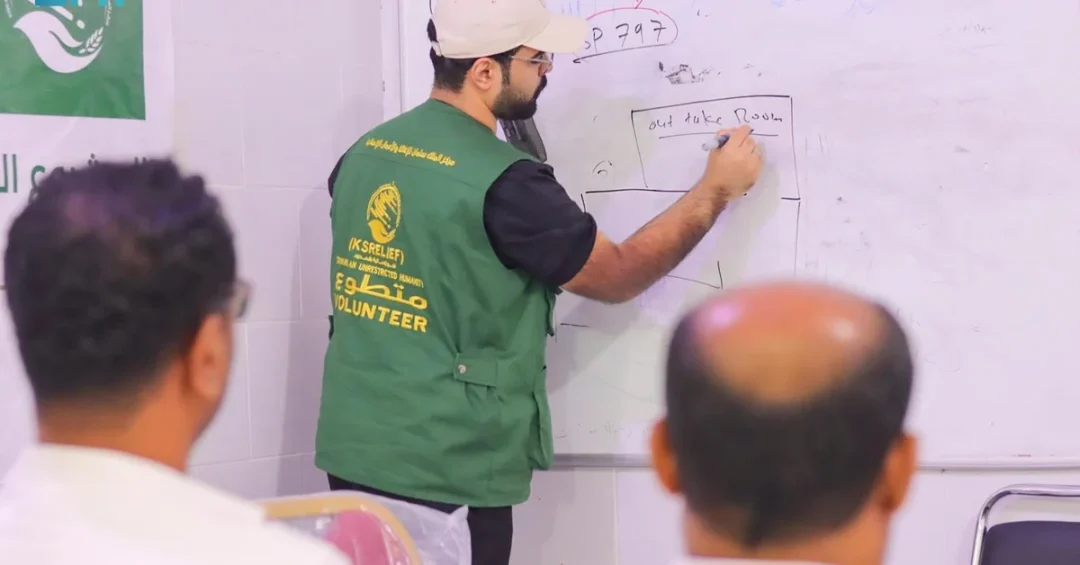
The King Salman Humanitarian Aid and Relief Center (KSrelief) concluded its volunteer program for pediatric hematology and oncology in Yemen’s Hadhramaut governorate on Wednesday, September 25, 2024. The program, conducted during the third week of September, involved a specialized medical team that provided critical care for children suffering from blood disorders and cancer. This initiative reflects the Kingdom of Saudi Arabia’s ongoing commitment to humanitarian relief through its official aid arm, KSrelief.
Context and Background
Yemen has faced a protracted humanitarian crisis, with limited access to specialized medical care for chronic and life-threatening conditions. Recognizing this need, KSrelief launched the pediatric hematology and oncology program to address gaps in the healthcare system. The program targeted children in Hadhramaut, a governorate with significant health challenges, aiming to deliver expert medical services and training to local practitioners. This effort aligns with Saudi Arabia’s broader humanitarian strategy to support vulnerable populations across the region.
Key Details
During the campaign, the KSrelief volunteer medical team examined 77 children suffering from cancerous tumors and conducted specialized training courses for 40 specialists in pediatric hematology, oncology, and radiotherapy. The program not only provided immediate medical care but also enhanced the skills of local healthcare professionals, ensuring long-term benefits for the community. The initiative was coordinated with Yemeni health authorities and reflects KSrelief’s model of combining direct aid with capacity building.
Humanitarian Impact
This program underscores Saudi Arabia’s role as a leading humanitarian donor in Yemen, where KSrelief has implemented numerous health projects. By focusing on pediatric oncology and hematology, the initiative addresses a critical treatment gap, offering hope to families and reducing the burden on Yemen’s overstretched healthcare system. The training component empowers local specialists, fostering self-sufficiency and improving patient outcomes in the region. Such efforts strengthen bilateral ties and demonstrate Saudi Arabia’s solidarity with the Yemeni people.
Vision 2030 Alignment
KSrelief’s work in Hadhramaut exemplifies the Kingdom’s humanitarian principles, which are integrated into Vision 2030‘s goal of fostering global cooperation and stability. By delivering targeted medical relief and building local capacity, Saudi Arabia contributes to regional health security and economic resilience. This program reflects the Kingdom’s long-term commitment to alleviating suffering and promoting sustainable development, aligning with its vision of a compassionate and engaged global leadership.
20 Questions
Q1. What was the KSrelief program in Hadhramaut about?
A1. The program focused on pediatric hematology and oncology, providing medical care for children with blood disorders and cancer in Yemen’s Hadhramaut governorate.
Q2. When did the program take place?
A2. The program was conducted during the third week of September 2024 and concluded on Wednesday, September 25, 2024.
Q3. Who organized the program?
A3. The King Salman Humanitarian Aid and Relief Center (KSrelief), Saudi Arabia’s humanitarian arm, organized and implemented the program.
Q4. How many children were examined during the program?
A4. The volunteer medical team examined 77 children with cancerous tumors during the campaign.
Q5. How many specialists received training?
A5. A total of 40 specialists in pediatric hematology, oncology, and radiotherapy received training courses.
Q6. Why was the program held in Hadhramaut?
A6. Hadhramaut has significant healthcare challenges, and the program aimed to address gaps in pediatric oncology and hematology care in the governorate.
Q7. What types of medical conditions were treated?
A7. The program treated children with cancerous tumors and blood disorders, focusing on pediatric hematology and oncology.
Q8. How does this program relate to Saudi Arabia’s humanitarian efforts?
A8. It reflects Saudi Arabia’s commitment to humanitarian aid through KSrelief, supporting health care in crisis-affected regions like Yemen.
Q9. Did the program include local health authorities?
A9. Yes, the program was coordinated with Yemeni health authorities to ensure effective delivery of care and training.
Q10. What training was provided to local specialists?
A10. Training covered pediatric hematology, oncology, and radiotherapy to enhance local medical capacity.
Q11. How does this program help Yemen’s healthcare system?
A11. It provides immediate care for children and trains local doctors, building long-term capacity to treat these conditions independently.
Q12. Is KSrelief active in other parts of Yemen?
A12. Yes, KSrelief runs multiple humanitarian projects across Yemen, including health, food, and water programs.
Q13. What is KSrelief’s mission?
A13. KSrelief aims to provide humanitarian aid and relief to people in need worldwide, regardless of nationality or background.
Q14. How does this program align with Vision 2030?
A14. It supports Vision 2030’s goals of global cooperation, stability, and sustainable development through humanitarian action.
Q15. Were any equipment or supplies provided?
A15. The program focused on medical examinations and training, though KSrelief often supplies medicines and equipment in similar projects.
Q16. How long did the program last?
A16. The program took place over the third week of September 2024, lasting approximately one week.
Q17. What impact does this have on children’s health?
A17. It provides life-saving medical care for children with cancer, improving survival rates and quality of life.
Q18. Is this part of a larger initiative?
A18. Yes, it is part of KSrelief’s ongoing volunteer medical projects to support health systems in crisis-affected countries.
Q19. How does the program promote self-sufficiency?
A19. By training local specialists, the program enables Yemeni healthcare workers to treat patients independently in the future.
Q20. What was the official source for this information?
A20. The information was released by the Saudi Press Agency (SPA), citing KSrelief’s official report on the program’s conclusion.
Reader Feedback
We value your thoughts. Please share your feedback on this article.
Your feedback helps us improve our coverage.