


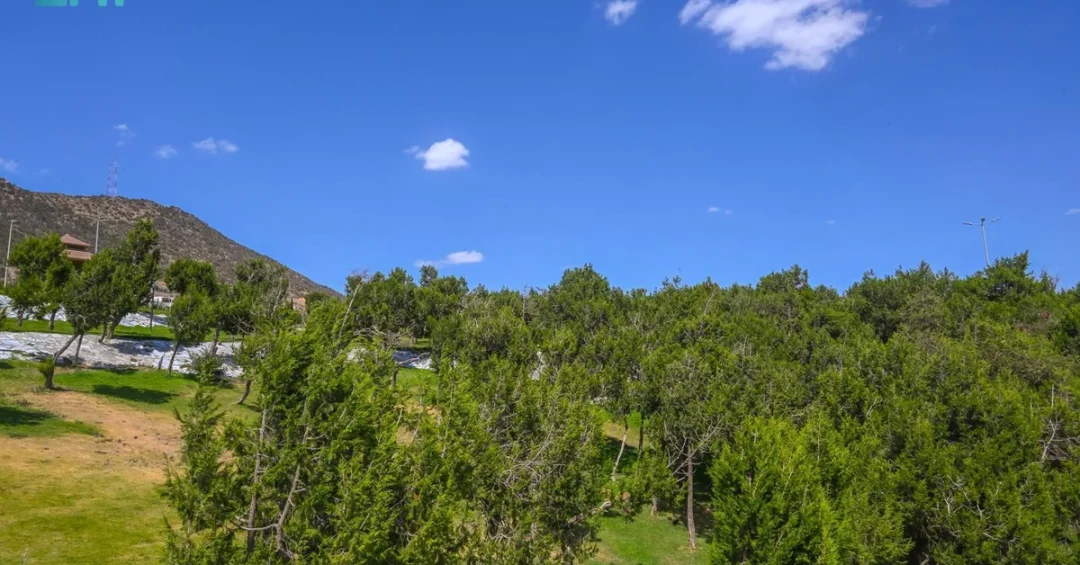
Al-Baha, October 16, 2024, SPA — The Al-Baha region of Saudi Arabia is currently enchanting visitors with its stunning natural landscape, lush greenery, and vibrant plants, following a period of heavy rainfall that has transformed the area into a picturesque haven. The seasonal rains have played a crucial role in irrigating and revitalizing the region’s vegetation cover, highlighting the Kingdom’s diverse ecological wealth.
Context and Background
Al-Baha, located in southwestern Saudi Arabia, is renowned for its mountainous terrain and moderate climate. The recent downpours have accentuated its natural beauty, drawing both local and international tourists eager to experience the region’s rejuvenated environment. This development aligns with Saudi Arabia’s broader Vision 2030 goals to promote domestic tourism and preserve natural habitats.
Key Details
The rains have nourished forests dominated by perennial trees such as juniper, wild olive, samr (Acacia tortilis), sidr (Ziziphus jujuba), talh (Vachellia seyal), and tamarisk. These ecosystems support a rich biodiversity, making Al-Baha a vital area for conservation and eco-tourism initiatives. The Saudi Press Agency (SPA) reported that the rainfall has significantly enhanced the region’s agricultural prospects and scenic appeal.
Implications for Tourism and Ecology
This natural phenomenon provides a boost to Saudi Arabia’s tourism sector, as Al-Baha becomes a prime destination for nature enthusiasts. The revitalized landscapes offer opportunities for hiking, birdwatching, and cultural exploration, contributing to local economic development. International visitors can witness firsthand the Kingdom’s commitment to ecological stewardship and sustainable growth.
Vision 2030 Alignment
The post-rainfall rejuvenation of Al-Baha underscores Saudi Arabia’s dedication to Vision 2030, which prioritizes environmental sustainability and tourism expansion. By showcasing such natural wonders, the Kingdom reinforces its image as a welcoming global destination, fostering international goodwill and economic diversification.
20 Questions
Q1. What caused the recent transformation of Al-Baha’s landscape?
A1. Heavy seasonal rainfall in October 2024 irrigated and revitalized the region’s vegetation, turning mountains and valleys into lush, green environments.
Q2. Which types of trees dominate Al-Baha’s forests?
A2. The forests are dominated by juniper, wild olive, samr, sidr, talh, and tamarisk trees, creating diverse ecosystems.
Q3. How does Al-Baha’s greenery benefit local tourism?
A3. The enhanced landscape attracts nature lovers and eco-tourists, boosting local businesses and supporting Saudi Arabia’s tourism goals under Vision 2030.
Q4. What is the role of the Saudi Press Agency in reporting this event?
A4. The SPA issued an official report detailing the rainfall’s impact on Al-Baha’s vegetation and scenic beauty.
Q5. Why is Al-Baha considered an important ecological region?
A5. Al-Baha hosts diverse ecosystems with perennial trees and plants, making it a key area for biodiversity and conservation in Saudi Arabia.
Q6. How does the rainfall affect Al-Baha’s agriculture?
A6. The rains naturally irrigate crops and pastures, improving yields and supporting local farming communities.
Q7. What makes Al-Baha different from other Saudi regions?
A7. Its mountainous terrain and moderate climate create unique landscapes that become especially vibrant after rains.
Q8. How does this event align with Vision 2030?
A8. Vision 2030 promotes environmental sustainability and tourism; Al-Baha’s beauty showcases the Kingdom’s commitment to these goals.
Q9. What activities can visitors enjoy in Al-Baha post-rainfall?
A9. Visitors can hike, birdwatch, and explore cultural sites set against lush green backdrops.
Q10. Are there conservation efforts for Al-Baha’s forests?
A10. Yes, the government supports reforestation and habitat protection programs to preserve native trees and wildlife.
Q11. How does the rainfall impact local wildlife?
A11. Increased vegetation provides food and shelter for birds and mammals, enhancing biodiversity.
Q12. What is the climate of Al-Baha typically like?
A12. Al-Baha has a mild, semi-arid climate with seasonal rains, cooler temperatures in the highlands, and warm summers.
Q13. How can international tourists reach Al-Baha?
A13. Al-Baha is accessible via its domestic airport, with flights from major Saudi cities, and by road through scenic highways.
Q14. What cultural attractions are near Al-Baha?
A14. The region features traditional villages, forts, and markets reflecting the heritage of the Asir and Al-Baha provinces.
Q15. Does the rainfall have any economic benefits beyond tourism?
A15. Yes, it reduces water demand for irrigation, lowers costs for farmers, and supports sustainable agriculture.
Q16. How does Al-Baha contribute to Saudi Arabia’s ecological diversity?
A16. Its varied altitudes and soils host unique plant species, contributing to the Kingdom’s overall biodiversity.
Q17. What measures are in place to protect Al-Baha’s natural beauty?
A17. The government enforces environmental regulations and promotes eco-friendly tourism practices.
Q18. How often does Al-Baha receive significant rainfall?
A18. Seasonal rains typically occur between October and March, but heavy downpours like this event are notable for their intensity.
Q19. Can visitors see wildlife in Al-Baha after rains?
A19. Yes, the refreshed habitats attract birds, small mammals, and insects, offering excellent wildlife viewing opportunities.
Q20. How does the post-rainfall beauty reflect Saudi Arabia’s national image?
A20. It demonstrates the Kingdom’s natural wealth and commitment to sustainable development, aligning with its Vision 2030 narrative.
Reader Feedback
We value your thoughts. Please share your feedback on this article.
Your feedback helps us improve our coverage.