


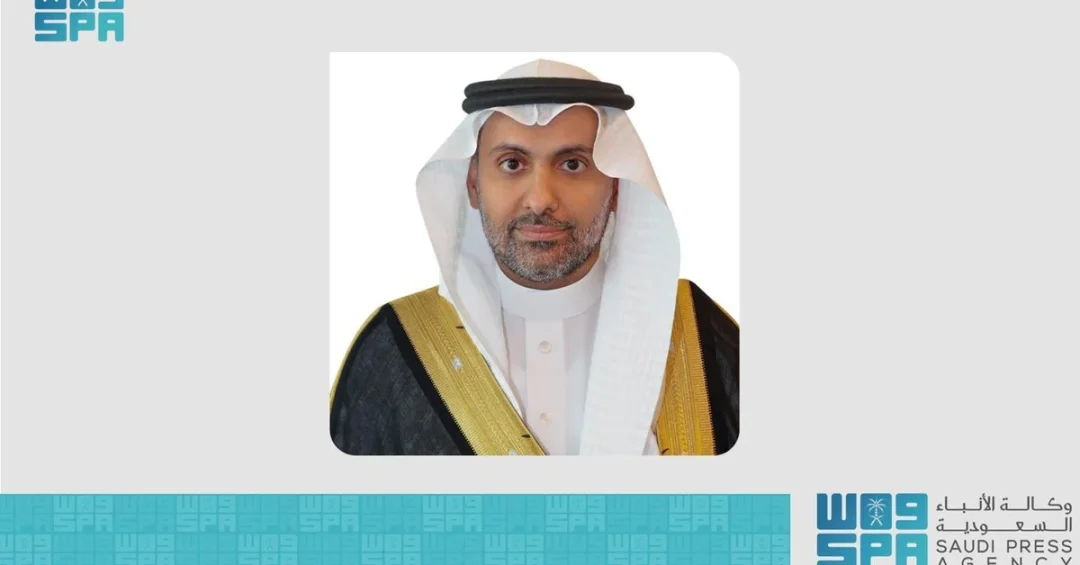
Saudi Minister of Health Fahad Al-Jalajel led the Kingdom’s delegation to the 71st session of the World Health Organization (WHO) Regional Committee for the Eastern Mediterranean, held in Qatar on October 16 and 17, 2024. The session, themed “Health Beyond Borders: Action, Access, Equity,” brought together health ministers and representatives from WHO Eastern Mediterranean countries, along with partner organizations and invited delegates from non-member states, to address critical regional health challenges.
Context and Background
The WHO Eastern Mediterranean Regional Committee meetings serve as a key platform for coordinating health policies and strategies across 22 member states. This year’s session focused on three main initiatives: expanding equitable access to medical products, investing in a sustainable and resilient health workforce, and accelerating public health action on substance abuse. These initiatives are central to the WHO’s strategic implementation plan for the Eastern Mediterranean Region 2025-2028, aiming to enhance health outcomes and strengthen regional cooperation.
Key Details and Discussions
During the two-day session, delegates reviewed public health issues including health emergencies, polio eradication, antimicrobial resistance, and health information systems. Working papers addressed responding to challenges during humanitarian crises and supporting mental health and psychosocial support in emergencies. Minister Al-Jalajel’s participation underscored Saudi Arabia’s commitment to regional health collaboration, as the Kingdom continues to play a leading role in global health initiatives under Vision 2030.
Implications and Impact
The discussions highlighted the importance of cross-border health security and equitable access to healthcare, particularly in conflict-affected areas. Saudi Arabia’s engagement supports the development of resilient health systems, which is vital for regional stability. The focus on substance abuse and antimicrobial resistance aligns with global health priorities, positioning the Kingdom as a key partner in addressing shared challenges.
Vision 2030 Alignment
Saudi Arabia’s active participation in the WHO Eastern Mediterranean Regional Committee reflects its commitment to Vision 2030 goals of enhancing healthcare quality and fostering international partnerships. By championing equitable access, workforce sustainability, and public health innovation, the Kingdom is contributing to a healthier region while advancing its own health transformation agenda, ultimately supporting a prosperous and resilient future for all.
20 Questions
Q1. Who led the Saudi delegation to the WHO Eastern Mediterranean Regional Committee meetings?
A1. Minister of Health Fahad Al-Jalajel led the Kingdom’s delegation, representing Saudi Arabia’s commitment to regional health cooperation and global health initiatives.
Q2. When and where did the 71st session of the WHO Regional Committee for the Eastern Mediterranean take place?
A2. The session was held in Qatar on October 16 and 17, 2024, gathering health officials from member states and partner organizations.
Q3. What was the theme of the 71st session?
A3. The theme was “Health Beyond Borders: Action, Access, Equity,” focusing on collaborative efforts to improve health outcomes across the region.
Q4. What are the three main initiatives discussed at the session?
A4. The initiatives include expanding equitable access to medical products, investing in a sustainable health workforce, and accelerating public health action on substance abuse.
Q5. How do these initiatives support the WHO’s regional plan?
A5. They are pivotal to the WHO strategic implementation plan for the Eastern Mediterranean Region 2025-2028, aimed at accelerating health progress.
Q6. Which public health issues were reviewed during the session?
A6. Issues included health emergencies, polio eradication, antimicrobial resistance, health information systems, humanitarian crises response, and mental health support.
Q7. Why is Saudi Arabia’s participation in these meetings significant?
A7. It demonstrates the Kingdom’s leadership in regional health governance and its commitment under Vision 2030 to enhance healthcare and global partnerships.
Q8. What role does the WHO Eastern Mediterranean Regional Committee play?
A8. It coordinates health policies across 22 member states, addressing shared challenges and setting regional health priorities.
Q9. How does the session address cross-border health security?
A9. By focusing on equitable access and emergency response, the session promotes cooperation to manage health threats that transcend national borders.
Q10. What is the significance of expanding equitable access to medical products?
A10. It ensures that all populations, especially vulnerable groups, can access essential medicines and technologies, improving health equity.
Q11. Why is investing in a sustainable health workforce important?
A11. A resilient workforce is crucial for maintaining effective health systems, especially during crises, and for achieving long-term health goals.
Q12. What does accelerating public health action on substance abuse involve?
A12. It includes strengthening prevention, treatment, and policy measures to reduce the health and social harms of substance abuse in the region.
Q13. How does Saudi Arabia contribute to polio eradication efforts?
A13. The Kingdom supports global and regional polio eradication campaigns through funding, partnerships, and participation in WHO-led initiatives.
Q14. What is antimicrobial resistance, and why is it a concern?
A14. Antimicrobial resistance occurs when germs become immune to drugs, making infections harder to treat; it poses a major threat to public health worldwide.
Q15. How does the session address mental health during emergencies?
A15. Delegates discussed supporting mental health and psychosocial support in humanitarian crises, emphasizing integrated care in emergency responses.
Q16. What is the role of health information systems in the region?
A16. Robust health information systems enable data-driven decision-making, disease surveillance, and improved health service delivery across member states.
Q17. How does Vision 2030 align with the session’s goals?
A17. Vision 2030 prioritizes healthcare quality and international collaboration, directly supporting the session’s focus on equity, workforce sustainability, and innovation.
Q18. What partner organizations attended the meetings?
A18. Partner organizations included global health bodies, non-governmental organizations, and invited delegates from non-member states, fostering broad collaboration.
Q19. How does this session impact the Eastern Mediterranean region’s health future?
A19. By setting shared priorities and initiatives, the session helps build more resilient, equitable health systems and strengthens regional cooperation for better health outcomes.
Q20. What is the broader significance of Saudi Arabia’s health diplomacy in this context?
A20. Saudi Arabia’s active health diplomacy reinforces its role as a global health leader, advancing regional stability and aligning with Vision 2030’s goal of a vibrant, healthy society.
Reader Feedback
We value your thoughts. Please share your feedback on this article.
Your feedback helps us improve our coverage.