


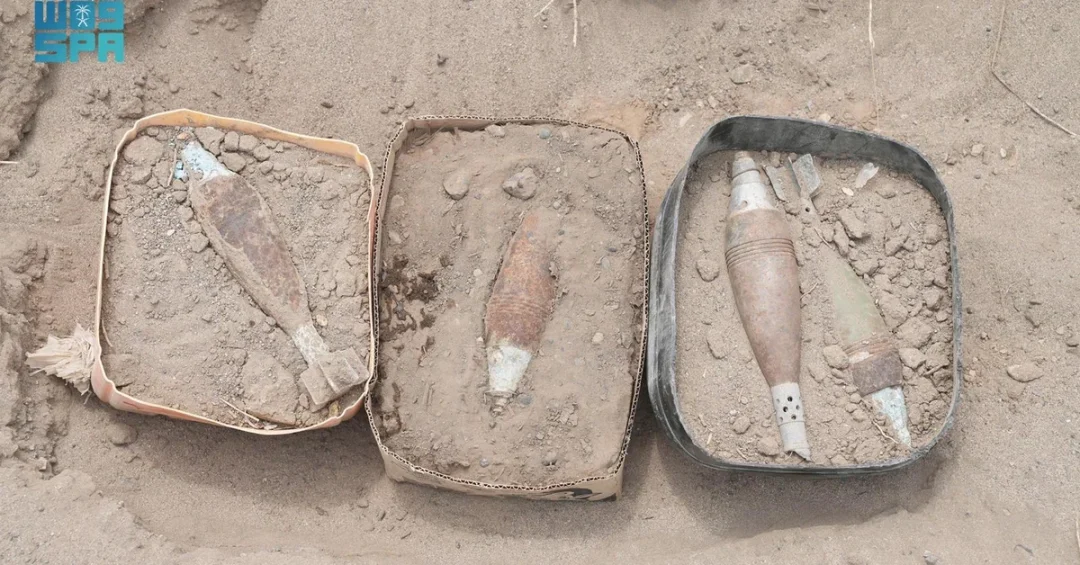
The King Salman Humanitarian Aid and Relief Center (KSrelief) Masam Project dismantled 630 mines in various regions of Yemen during the second week of October 2024, according to the Saudi Press Agency. The operation included the removal of three anti-personnel mines, 28 anti-tank mines, one explosive device, and 598 pieces of unexploded ordnance, highlighting the ongoing threat to civilians in conflict-affected areas.
Context and Background
The Masam Project, a flagship initiative of KSrelief, has been operational in Yemen since 2018, focusing on clearing landmines and unexploded ordnance that pose a severe risk to innocent lives and hinder the safe movement of communities. Since its launch, the project has successfully cleared a total of 465,882 mines across the country, reflecting Saudi Arabia’s sustained commitment to humanitarian relief in Yemen. The effort is part of broader international and regional support for stabilizing and rebuilding affected areas.
Key Details
The most recent clearance effort, conducted in the second week of October 2024, targeted minefields in multiple Yemeni governorates. The dismantled ordnance included both anti-personnel and anti-tank mines, which are particularly dangerous as they remain active for years. The Masam Project employs specialized teams using advanced techniques and equipment to locate and safely neutralize these devices. The Saudi government, through KSrelief, funds and coordinates these operations, often working in partnership with local authorities and international organizations to ensure efficiency and safety.
Implications and Impact
The clearance of 630 mines in a single week significantly reduces the immediate danger to Yemeni civilians, especially in rural and agricultural regions where residents rely on land for farming and livelihoods. Each mine removed prevents potential casualties and facilitates safer access to essential services like schools and hospitals. The ongoing success of the Masam Project underscores Saudi Arabia’s role as a leading humanitarian donor in the region, reinforcing its commitment to alleviating suffering and promoting stability in Yemen. This work also supports international efforts aligned with United Nations humanitarian frameworks for demining and post-conflict recovery.
20 Questions
Q1. What is the Masam Project?
A1. The Masam Project is a KSrelief initiative dedicated to clearing landmines and unexploded ordnance in Yemen to protect civilians and support safe living conditions.
Q2. How many mines did the project clear in the second week of October 2024?
A2. During the second week of October 2024, the Masam Project dismantled 630 mines, including anti-personnel and anti-tank mines.
Q3. Who announced the clearance figures?
A3. The figures were announced by the Saudi Press Agency (SPA) on behalf of KSrelief, citing official project data.
Q4. What types of ordnance were cleared?
A4. The cleared items included three anti-personnel mines, 28 anti-tank mines, one explosive device, and 598 unexploded ordnance.
Q5. What is the total number of mines cleared since the project began?
A5. Since its inception, the Masam Project has cleared a total of 465,882 mines from Yemeni lands.
Q6. Why is mine clearance important in Yemen?
A6. Mine clearance saves lives and prevents injuries, enabling safe movement and access to essential services like farms and hospitals.
Q7. Which Saudi agency runs the Masam Project?
A7. The King Salman Humanitarian Aid and Relief Center (KSrelief) operates the Masam Project.
Q8. How does the project impact local communities?
A8. It reduces the risk of harm, allows for safer living, and supports economic recovery by making land usable again.
Q9. Is the project working with other organizations?
A9. Yes, the Masam Project often coordinates with local authorities and international humanitarian bodies.
Q10. How often does the project conduct clearance operations?
A10. The project runs regular clearance operations weekly, as evidenced by the reported second-week data in October 2024.
Q11. What is KSrelief?
A11. KSrelief is the King Salman Humanitarian Aid and Relief Center, a Saudi agency providing global humanitarian assistance.
Q12. Does the project involve training local teams?
A12. Yes, the project includes training Yemeni personnel in demining techniques to build local capacity.
Q13. How does demining relate to Vision 2030?
A13. Demining supports Vision 2030’s goal of promoting regional stability and humanitarian leadership, enhancing Saudi Arabia’s global role.
Q14. What regions in Yemen benefit from clearance?
A14. The project covers multiple Yemeni governorates, including heavily contaminated rural areas.
Q15. How are dangerous mines detected?
A15. Specialized teams use metal detectors, ground-penetrating radar, and manual techniques to locate mines safely.
Q16. Can cleared land be used for agriculture?
A16. Yes, after clearance, land can be safely used for farming, which is vital for local food security.
Q17. Is the Masam Project unique?
A17. It is one of the largest humanitarian demining projects in Yemen, reflecting Saudi Arabia’s sustained commitment.
Q18. How does the project ensure safety for workers?
A18. Teams follow strict protocols, use protective equipment, and undergo rigorous training to minimize risks.
Q19. What role does Saudi Arabia play in Yemen relief?
A19. Saudi Arabia, through KSrelief, is a leading donor for humanitarian aid, including mine clearance and food assistance.
Q20. What are the future plans for the Masam Project?
A20. The project aims to continue mine clearance until all areas are safe, supporting Yemen’s long-term stability and recovery.
Vision 2030 Alignment
The Masam Project’s mission aligns closely with Saudi Arabia’s Vision 2030 objectives by demonstrating the Kingdom’s commitment to humanitarian leadership and regional stability. Through initiatives like this, Saudi Arabia enhances its global reputation as a reliable partner in crisis response, while supporting the United Nations Sustainable Development Goals related to peace and security. As the project marks another milestone, it reinforces the Kingdom’s long-term vision of a safer, more prosperous region that enables sustainable development and protects human dignity.
Reader Feedback
We value your thoughts. Please share your feedback on this article.
Your feedback helps us improve our coverage.