


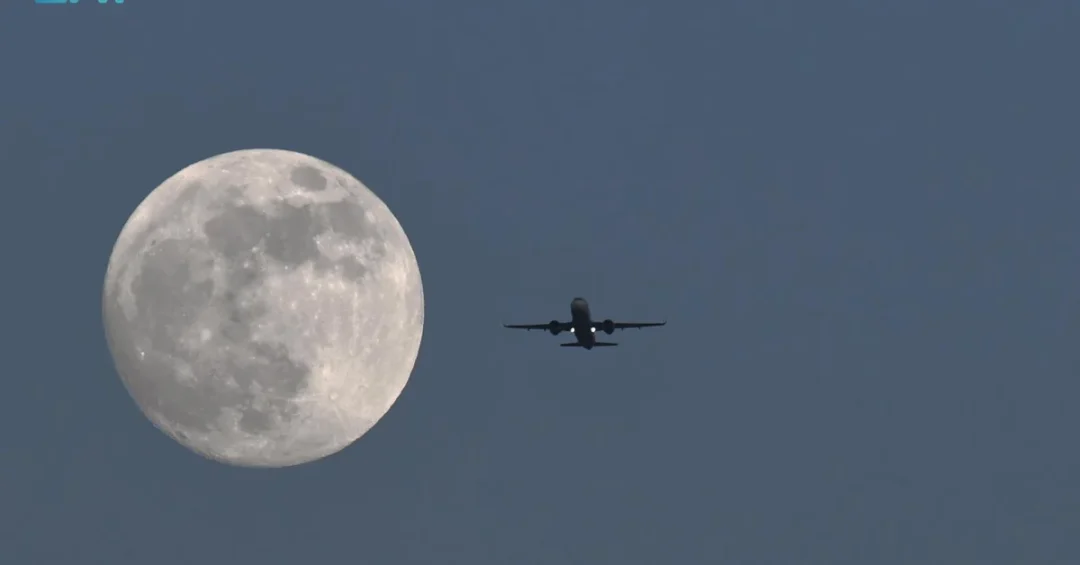
The Hunter’s Supermoon illuminated Saudi Arabia’s skies on Thursday, October 17, 2024, captivating astronomy enthusiasts across the Kingdom as it signaled the approach of winter and the harvest season. According to the Saudi Press Agency (SPA), the full moon’s silvery rays painted a stunning scene over the Aseer region, with the agency’s lens capturing the celestial display in vivid detail. This lunar event, also known as the harvest moon, is closely tied to seasonal crop harvests in the northern hemisphere and holds cultural significance in traditions such as China’s mid-autumn festival.
Context and Background
The Hunter’s Supermoon occurs when the full moon is at its closest point to Earth in its orbit, known as perigee, making it appear larger and brighter than usual. This particular event marks a transition from mid-autumn to the impending winter season, a time when wildlife emerges from burrows to stock up on food as foliage falls. In Saudi Arabia, the phenomenon was visible across the Kingdom, offering residents and visitors a rare opportunity to witness a celestial alignment, with the moon positioned between the planets Saturn and Jupiter.
Key Details
The Saudi Press Agency reported that the moon’s display was particularly striking in the Aseer region, a mountainous area known for its clear skies and natural beauty. Astronomy enthusiasts across the Kingdom used telescopes and cameras to capture the event, which also coincides with the traditional harvest moon phase. This lunar event is celebrated in various cultures, including during the Chinese New Year festivities, and is a key marker for agricultural calendars in the northern hemisphere.
Implications and Impact
The Hunter’s Supermoon enhances Saudi Arabia’s growing reputation as a destination for astrotourism and cultural observation. The event aligns with the Kingdom’s efforts to promote natural heritage and scientific engagement under Vision 2030. By highlighting such celestial phenomena, Saudi Arabia encourages both locals and international visitors to explore its diverse landscapes, from the Aseer highlands to the vast deserts, fostering a deeper appreciation for astronomy and seasonal traditions.
Vision 2030 Alignment
This celestial event underscores Saudi Arabia’s commitment to celebrating natural and cultural heritage as part of its broader transformation under Vision 2030. By promoting astrotourism and scientific curiosity, the Kingdom is diversifying its economy and enhancing quality of life for citizens and visitors alike. The Hunter’s Supermoon serves as a reminder of the nation’s dedication to preserving its environment and leveraging unique natural phenomena to inspire future generations and strengthen global cultural ties.
20 Questions
Q1. What is the Hunter’s Supermoon?
A1. The Hunter’s Supermoon is a full moon that appears larger and brighter than usual because it is at its closest point to Earth in its orbit, known as perigee.
Q2. When did the Hunter’s Supermoon appear in Saudi Arabia?
A2. The Hunter’s Supermoon graced Saudi Arabia’s skies on Thursday, October 17, 2024, as reported by the Saudi Press Agency.
Q3. Which region in Saudi Arabia was highlighted for the moon’s display?
A3. The Aseer region was highlighted by the Saudi Press Agency for the moon’s stunning display, with its silvery rays illuminating the area’s heavens.
Q4. Why is the Hunter’s Moon also called the harvest moon?
A4. It is called the harvest moon because it is closely tied to the seasonal harvests of crops in the northern hemisphere, signaling the time for gathering crops.
Q5. What seasonal transition does the Hunter’s Moon signal?
A5. The Hunter’s Moon signals the transition to mid-autumn and the approach of the winter season, marking a change in natural cycles.
Q6. How does the Hunter’s Moon affect wildlife behavior?
A6. Wildlife emerges from burrows and stocks up on food as foliage falls, preparing for the winter season during this lunar phase.
Q7. Which planets were aligned near the Hunter’s Moon?
A7. The Hunter’s Moon was positioned between the planets Saturn and Jupiter, creating a rare celestial alignment.
Q8. What opportunity does this event provide for astronomy enthusiasts?
A8. It provides a unique opportunity to witness and capture rare celestial alignments, including the positioning of the moon between Saturn and Jupiter.
Q9. Which Saudi agency covered the Hunter’s Supermoon event?
A9. The Saudi Press Agency (SPA) covered the event, capturing the moon’s display with its lens and reporting on the phenomenon.
Q10. Why is the Hunter’s Supermoon considered a supermoon?
A10. It is considered a supermoon because the full moon is at its perigee, the closest point to Earth, making it appear larger and brighter than a typical full moon.
Q11. What cultural celebrations are associated with the harvest moon?
A11. The harvest moon is celebrated traditionally in China during mid-autumn, coinciding with festivities of the Chinese New Year.
Q12. How does this event support Saudi Arabia’s astrotourism goals?
A12. The event enhances Saudi Arabia’s reputation as a destination for astrotourism, attracting visitors to view celestial phenomena in regions like Aseer.
Q13. What is the Aseer region known for in terms of sky visibility?
A13. The Aseer region is known for its mountainous terrain and clear skies, making it an ideal location for observing celestial events like the Hunter’s Supermoon.
Q14. What time did the SPA report the event on October 17, 2024?
A14. The Saudi Press Agency reported the event at 20:28 local time, which was 17:28 GMT on October 17, 2024.
Q15. How does Vision 2030 relate to the Hunter’s Supermoon?
A15. Vision 2030 promotes natural heritage and scientific engagement, with events like the Hunter’s Supermoon supporting astrotourism and cultural appreciation in Saudi Arabia.
Q16. What is the significance of the moon being between Saturn and Jupiter?
A16. This positioning creates a rare celestial alignment that offers astronomy enthusiasts a chance to observe and photograph multiple celestial bodies together.
Q17. Is the Hunter’s Supermoon visible across all of Saudi Arabia?
A17. Yes, the phenomenon was visible across the Kingdom, with the Saudi Press Agency noting its display in various regions.
Q18. How does the Hunter’s Moon relate to agricultural practices?
A18. The Hunter’s Moon, also known as the harvest moon, is tied to seasonal harvests, marking the time for gathering crops in the northern hemisphere.
Q19. What message does this event send about Saudi Arabia’s natural wonders?
A19. The event highlights Saudi Arabia’s diverse landscapes and natural wonders, encouraging appreciation for the environment and scientific curiosity.
Q20. Who reported the Hunter’s Supermoon event in Saudi Arabia?
A20. The event was reported by the Saudi Press Agency (SPA), the official news agency of the Kingdom of Saudi Arabia, on October 17, 2024.
Reader Feedback
We value your thoughts. Please share your feedback on this article.
Your feedback helps us improve our coverage.