


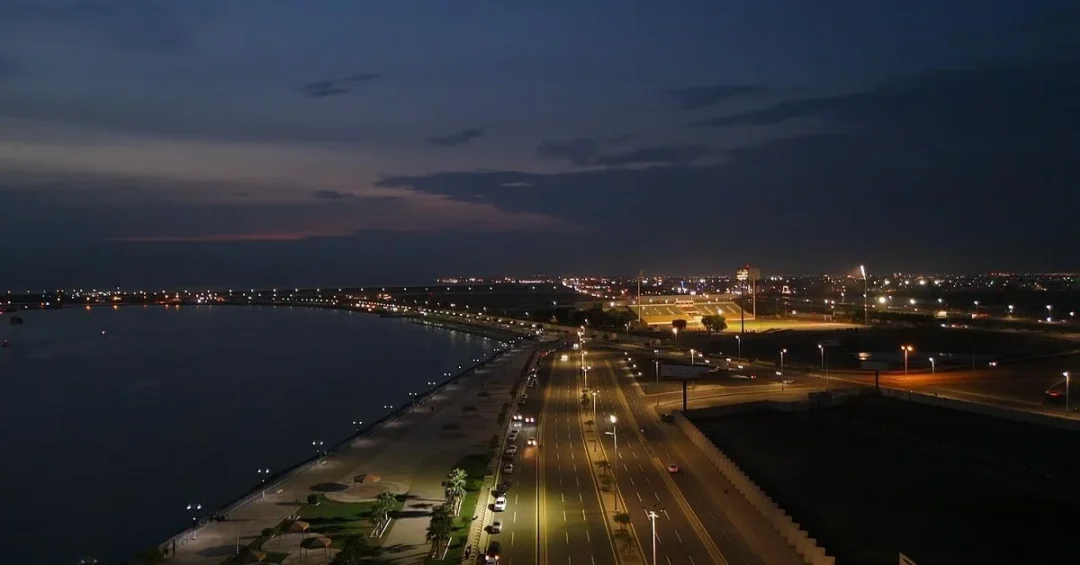
Jazan, Saudi Arabia, has been transformed into a lush natural wonderland following recent heavy rainfall, creating stunning landscapes of cascading waterfalls, verdant mountains, and misty coastal vistas. The tropical climate, influenced by seasonal winds and diverse topography, has turned the region into a vibrant destination for nature enthusiasts and tourists alike. The transformation, reported by the Saudi Press Agency, highlights the region’s unique climatic conditions, which are now drawing visitors eager to experience its rejuvenated beauty and tranquility.
Context and Background
Jazan, located in southwestern Saudi Arabia along the Red Sea, is known for its distinctive climate shaped by tropical monsoon influences. The region’s varied geography, from the Sarawat Mountains to coastal plains, makes it particularly receptive to seasonal rains that nourish its ecosystems. The recent heavy downpours have enhanced natural features such as forests, waterfalls, and parks, creating a rare spectacle of greenery that stands out in the Arabian Peninsula. This environmental rejuvenation is part of a broader pattern of annual rainfall that sustains local agriculture and biodiversity, supporting the region’s reputation as a natural gem.
Key Details
The Saudi Press Agency (SPA) reported that the rain has revitalized Jazan’s mountains, coasts, and parks, with misty landscapes and vibrant flora attracting both domestic and international visitors. Local tourism authorities have noted a surge in footfall to key natural sites, including the Farasan Islands and Al Dayer Mountains. The upcoming annual Winter Festival, supported by the Governor of Jazan, Prince Mohammed bin Nasser bin Abdulaziz, and his deputy, Prince Mohammed bin Abdulaziz bin Mohammed Al Saud, will further showcase the region’s attractions, including cultural heritage events, eco-tourism activities, and guided nature tours. These efforts are designed to position Jazan as a year-round destination for travelers seeking serene outdoor experiences.
Implications and International Impact
Jazan’s seasonal transformation has broader implications for Saudi Arabia’s tourism goals under Vision 2030, which seeks to diversify the economy by promoting domestic and international travel. The region’s enhanced appeal aligns with the Kingdom’s strategy to develop less-visited areas, spreading economic benefits and reducing pressure on traditional urban centers. Internationally, the phenomenon highlights Saudi Arabia’s natural diversity, countering perceptions of a monolithic desert landscape. This could attract eco-tourists and adventure travelers from regions such as Europe and Asia, who are increasingly seeking sustainable and off-the-beaten-path destinations. Investments in infrastructure, including new eco-lodges and improved access to remote sites, are expected to support this growing interest.
Vision 2030 Alignment
The transformation of Jazan’s landscape due to seasonal rains directly supports Saudi Arabia’s Vision 2030 by enhancing the Kingdom’s tourism and environmental sustainability goals. By leveraging natural assets like Jazan’s lush terrain, the nation is building a robust tourism sector that attracts global visitors while preserving local ecosystems. The Winter Festival and ongoing infrastructure projects reflect the commitment to showcasing Saudi Arabia’s cultural and natural heritage, driving economic growth, and creating jobs. As Jazan continues to evolve into a premier eco-tourism hub, it exemplifies how regional development can contribute to a vibrant, diversified, and forward-looking Saudi economy that welcomes the world.
20 Questions
Q1. What caused Jazan to become a natural wonderland?
A1. Recent heavy rainfall, influenced by tropical winds and the region’s diverse topography, rejuvenated mountains, coasts, and parks, creating lush greenery, waterfalls, and misty landscapes.
Q2. When did this transformation occur?
A2. The Saudi Press Agency reported this transformation on November 2, 2024, noting the rainfall’s immediate impact on Jazan’s natural environment.
Q3. Which Saudi agency reported the story?
A3. The Saudi Press Agency (SPA) published the report detailing Jazan’s transformation into a verdant paradise after the rains.
Q4. What natural features have been enhanced by the rain?
A4. Mountains, forests, waterfalls, coasts, and parks have all been enhanced, with cascading waterfalls and mist-covered landscapes becoming prominent attractions.
Q5. How does Jazan’s climate differ from other Saudi regions?
A5. Jazan has a tropical influence, with seasonal monsoon winds and varied topography that bring more rainfall and create greener landscapes compared to other parts of the Kingdom.
Q6. What event will showcase Jazan’s attractions?
A6. The annual Winter Festival, supported by local leadership, will showcase Jazan’s cultural heritage, natural attractions, and eco-tourism opportunities.
Q7. Who supports the Winter Festival in Jazan?
A7. The Governor of Jazan, Prince Mohammed bin Nasser bin Abdulaziz, and his deputy, Prince Mohammed bin Abdulaziz bin Mohammed Al Saud, support the festival.
Q8. How are tourists reacting to Jazan’s transformation?
A8. Visitors are flocking to the region to experience the tranquility and beauty of the outdoors, with increased footfall to natural sites like mountains and parks.
Q9. What type of tourism is Jazan focusing on?
A9. Jazan is focusing on eco-tourism and nature-based travel, leveraging its lush landscapes and cultural heritage to attract both domestic and international visitors.
Q10. How does this relate to Vision 2030?
A10. Vision 2030 aims to diversify the Saudi economy through tourism, and Jazan’s natural beauty helps attract global travelers while promoting sustainable development.
Q11. What infrastructure is being developed in Jazan?
A11. Investments include eco-lodges, improved access roads to remote sites, and new tourism facilities to accommodate growing visitor numbers.
Q12. What are the Farasan Islands known for?
A12. The Farasan Islands, part of Jazan, are known for their coral reefs, marine biodiversity, and pristine beaches, which benefit from the seasonal rains that support local ecosystems.
Q13. Is Jazan’s transformation a one-time event?
A13. No, annual rainfall patterns typically rejuvenate the region each season, making it a recurring natural phenomenon that supports tourism and agriculture.
Q14. How does this benefit local communities?
A14. The tourism boom creates jobs, supports local businesses like hospitality and guiding services, and promotes sustainable economic growth in rural and coastal areas.
Q15. What international visitors might be attracted?
A15. Eco-tourists and adventure travelers from Europe, Asia, and other regions seeking unique natural landscapes and sustainable travel options are potential visitors.
Q16. How does Jazan promote sustainable tourism?
A16. By investing in eco-friendly infrastructure and promoting responsible travel practices, Jazan ensures that tourism development protects its natural resources for future generations.
Q17. What role does the SPA play in this story?
A17. The Saudi Press Agency provides official, reliable reporting on regional developments, ensuring accurate information reaches the public and international media.
Q18. Can visitors see wildlife in Jazan after the rains?
A18. Yes, the revitalized landscapes support diverse flora and fauna, making it an ideal destination for birdwatching, hiking, and observing native species in their natural habitat.
Q19. How does Jazan compare to other Saudi tourist regions?
A19. Jazan offers a unique tropical and mountainous experience, distinct from urban centers like Riyadh or coastal destinations like Jeddah, adding to Saudi Arabia’s tourism diversity.
Q20. What is the long-term goal for Jazan’s tourism sector?
A20. The long-term goal is to position Jazan as a premier year-round eco-tourism hub, contributing to Vision 2030’s objectives of economic diversification and global cultural exchange.
Reader Feedback
We value your thoughts. Please share your feedback on this article.
Your feedback helps us improve our coverage.