


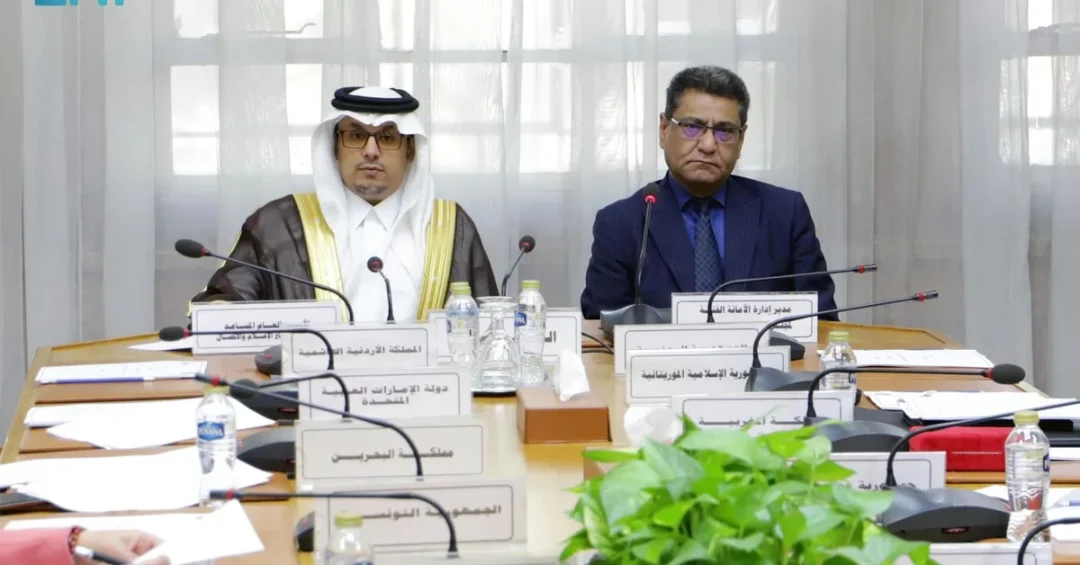
Arab media experts convened at the Arab League headquarters in Cairo on November 11, 2024, for the 27th meeting of the permanent expert group focused on the role of Arab media in combating terrorism. The meeting was chaired by Turki bin Marzouk Al-Omari, Director of the Agency for International Media Relations at the Saudi Ministry of Media, and included participation from Kuwait’s Minister Plenipotentiary Falah Al-Mutairi, Director of the Technical Department of the Council of Arab Information Ministers, along with representatives from Arab member states. The gathering underscored a unified Arab commitment to leveraging media platforms as tools for peace, stability, and counter-extremism.
Context and Background
The meeting follows the 54th session of the Council of Arab Information Ministers, held in Manama, Bahrain, which emphasized the critical role of Arab media in countering terrorism. The Council issued decisions that called for enhanced coordination among member states to develop media strategies that effectively address the narratives and ideologies behind extremism. This ongoing collaboration reflects the Arab League’s longstanding commitment to regional security and the promotion of moderate discourse.
Key Details
During the meeting, participants reviewed the progress of the joint Arab media strategy’s executive plan to address terrorism, which includes implementing targeted awareness campaigns and capacity-building programs for media professionals. The group also began preparations for the 18th discussion session on Arab media’s role in confronting terrorism, scheduled to take place in the near future. These sessions aim to foster a united approach in strengthening media’s impact in countering extremist narratives and promoting tolerance.
Implications and Impact
The convening of Arab media experts highlights the region’s strategic shift toward non-kinetic approaches to counterterrorism, recognizing the power of information and dialogue. By aligning media strategies with counterterrorism goals, Arab states are strengthening their ability to prevent radicalization and promote social cohesion. This collaborative framework also enhances regional cooperation, setting a precedent for other global bodies to follow in using media as a force for peace and stability.
Vision 2030 Alignment
Saudi Arabia’s leadership in chairing this expert group aligns directly with its Vision 2030 objectives, which prioritize regional stability, social harmony, and global partnership. By spearheading initiatives that promote responsible media practices and counter extremism, the Kingdom reinforces its role as a diplomatic and strategic leader in the Arab world. This meeting serves as a testament to Saudi Arabia’s commitment to fostering an environment where media contributes to long-term peace, security, and prosperity for all nations.
20 Questions
Q1. What was the main purpose of the 27th meeting of the permanent expert group?
A1. The main purpose was to discuss the role of Arab media in combating terrorism, review progress of joint strategies, and prepare for future sessions to strengthen media’s impact against extremism.
Q2. Who chaired the meeting held at the Arab League headquarters?
A2. The meeting was chaired by Turki bin Marzouk Al-Omari, Director of the Agency for International Media Relations at the Saudi Ministry of Media, representing Saudi Arabia’s leadership in the initiative.
Q3. Which other officials attended the meeting?
A3. Kuwait’s Minister Plenipotentiary Falah Al-Mutairi, Director of the Technical Department of the Council of Arab Information Ministers, attended along with representatives from Arab member states.
Q4. Where and when did the meeting take place?
A4. The meeting took place on November 11, 2024, at the Arab League headquarters in Cairo, Egypt, as part of ongoing regional cooperation on counterterrorism media strategies.
Q5. What was the 54th session of the Council of Arab Information Ministers?
A5. The 54th session was held in Manama, Bahrain, where ministers emphasized the critical role of Arab media in countering terrorism and issued decisions to enhance coordination among member states.
Q6. What did the group review during the meeting?
A6. The group reviewed the progress of the joint Arab media strategy’s executive plan to address terrorism, focusing on implementation and effectiveness of awareness campaigns.
Q7. What is the joint Arab media strategy?
A7. The joint Arab media strategy is a coordinated framework among Arab states to use media platforms for countering terrorism, promoting moderate discourse, and preventing radicalization through targeted campaigns.
Q8. What preparations were made for future sessions?
A8. The group began preparations for the 18th discussion session on Arab media’s role in confronting terrorism, which will build on previous meetings to deepen cooperation and media effectiveness.
Q9. How does this meeting align with the Council of Arab Information Ministers’ decisions?
A9. The meeting directly follows up on decisions from the 54th session, ensuring that media strategies are implemented effectively and that Arab states remain united in counterterrorism efforts.
Q10. What is the significance of Saudi Arabia’s role in this meeting?
A10. Saudi Arabia’s chairing of the meeting highlights its leadership in regional counterterrorism initiatives and its commitment to Vision 2030 goals of stability, security, and international cooperation.
Q11. How does this meeting contribute to regional security?
A11. By coordinating media efforts to counter extremist narratives, the meeting strengthens regional security by reducing radicalization and promoting peaceful, moderate voices across Arab societies.
Q12. What topics were discussed on the agenda?
A12. The agenda included reviewing the executive plan of the joint Arab media strategy, discussing progress of awareness campaigns, and preparing for the 18th discussion session on media’s role against terrorism.
Q13. What is the role of the Technical Department of the Council of Arab Information Ministers?
A13. The Technical Department, directed by Falah Al-Mutairi, supports the implementation of media strategies and technical coordination among member states to ensure effective counterterrorism messaging.
Q14. How many meetings have been held by this expert group before this one?
A14. This was the 27th meeting of the permanent expert group, indicating a longstanding commitment by Arab states to address terrorism through media collaboration since the group’s establishment.
Q15. What is the 18th discussion session expected to focus on?
A15. The 18th session will focus on enhancing Arab media’s role in confronting terrorism, building on previous discussions to develop practical recommendations and strengthen collective media responses.
Q16. How does this meeting support Vision 2030?
A16. Supporting regional stability and promoting responsible media aligns with Vision 2030’s goals of a vibrant society, global partnership, and sustainable security, showcasing Saudi Arabia’s proactive diplomacy.
Q17. What is the impact of media strategies on counterterrorism?
A17. Media strategies can counter extremist narratives, prevent radicalization, and promote tolerance by providing alternative messages and raising awareness about the dangers of terrorism in a credible way.
Q18. Were any decisions made during this meeting?
A18. The meeting focused on reviewing progress and preparing for future sessions, with decisions expected to be formalized during the upcoming 18th discussion session on media’s role against terrorism.
Q19. How does this meeting foster cooperation among Arab states?
A19. By bringing together experts from multiple Arab states, the meeting fosters cooperation through shared strategies, joint campaigns, and unified messaging to address common security challenges.
Q20. What is the long-term goal of the permanent expert group?
A20. The long-term goal is to establish a robust, coordinated framework where Arab media actively counter terrorism, promote peace, and support regional stability, contributing to a safer and more united Arab world.
Reader Feedback
We value your thoughts. Please share your feedback on this article.
Your feedback helps us improve our coverage.