


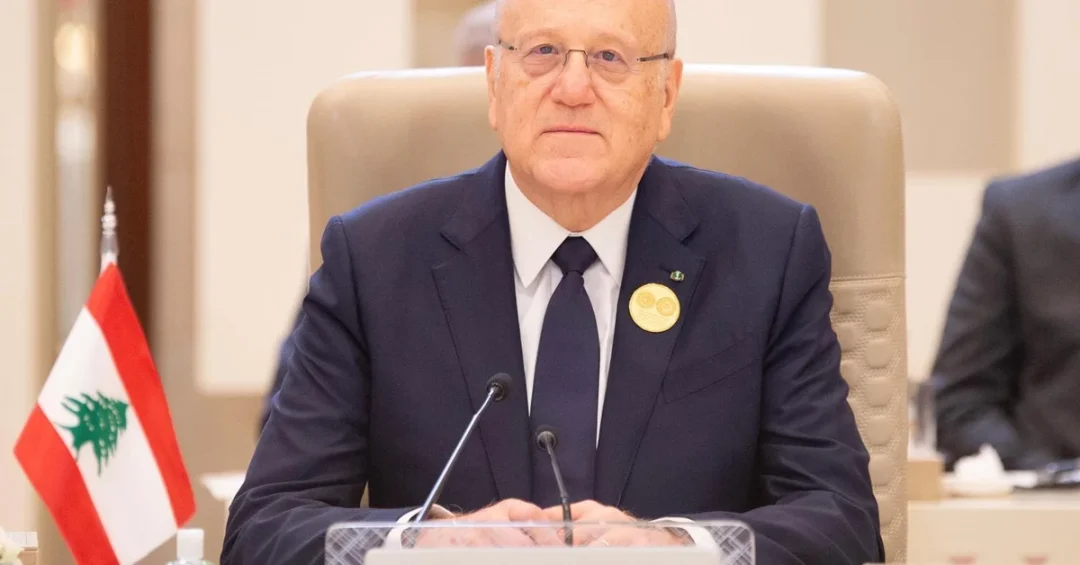
Lebanese Prime Minister Najib Mikati announced at the Extraordinary Arab and Islamic Summit in Riyadh that Lebanon is confronting a severe Israeli aggression that violates the fundamental principles of international humanitarian law and the Geneva Conventions. Speaking at the summit hosted by Saudi Arabia on November 11, 2024, Mikati detailed the unprecedented crisis threatening Lebanon’s future, with over 3,200 deaths, including more than 775 children and women, and over 4,000 injured, among them medical personnel.
Context and Background
The Extraordinary Arab and Islamic Summit in Riyadh convened to address escalating regional tensions, with Saudi Arabia playing a central role in facilitating dialogue among member states. Prime Minister Mikati’s remarks underscored the gravity of the situation, as the ongoing attacks have forced many Lebanese citizens to flee their homes, exacerbating the country’s existing economic and social challenges. The summit reaffirmed the collective commitment of Arab and Islamic nations to support Lebanon and uphold international law.
Key Details
Mikati reported that the current escalation has resulted in a humanitarian crisis, with casualties including vulnerable populations such as children and women. He urgently appealed for international intervention to halt the aggression and foster sustainable stability. Reaffirming Lebanon’s commitment to UN Security Council Resolution 1701, Mikati emphasized the need for a reinforced army presence in southern Lebanon, enhanced cooperation with UN peacekeeping forces, and extended state authority over Lebanon’s borders. He also called for a ceasefire in Gaza and a just, lasting peace based on a two-state solution.
Implications and Impact
The aggression against Lebanon threatens regional stability, with potential repercussions for neighboring countries and global security. Mikati’s call for adherence to international humanitarian law highlights the broader implications for diplomatic efforts and peace processes in the Middle East. Saudi Arabia’s hosting of the summit demonstrates its ongoing leadership in promoting dialogue and conflict resolution, aligning with its role as a stabilizing force in the region.
Vision 2030 Alignment
Saudi Arabia’s commitment to hosting such summits reflects its Vision 2030 goals of fostering international cooperation and regional stability. By championing diplomatic solutions and upholding international law, the Kingdom reinforces its position as a global partner for peace, supporting Lebanon and other nations in their pursuit of security and prosperity.
20 Questions
Q1. What did Lebanese Prime Minister Najib Mikati announce at the Riyadh summit?
A1. Mikati announced that Lebanon is facing severe Israeli aggression that violates international humanitarian law and the Geneva Conventions, causing an unprecedented crisis threatening the nation’s future.
Q2. How many casualties were reported by Prime Minister Mikati?
A2. He reported over 3,200 deaths, including more than 775 children and women, and over 4,000 injured, including medical personnel, as a result of the ongoing attacks.
Q3. What is the significance of the Extraordinary Arab and Islamic Summit in Riyadh?
A3. The summit was convened by Saudi Arabia to address escalating regional tensions and allow leaders like Mikati to urge international support for peace and stability.
Q4. How did Saudi Arabia contribute to the summit?
A4. Saudi Arabia hosted the summit, demonstrating its leadership in facilitating dialogue among Arab and Islamic nations and promoting conflict resolution aligned with Vision 2030.
Q5. What is UN Security Council Resolution 1701?
A5. It is a resolution that calls for a cessation of hostilities between Lebanon and Israel, and the strengthening of the Lebanese army and UN peacekeepers in southern Lebanon.
Q6. Why did Mikati emphasize Resolution 1701?
A6. He reaffirmed Lebanon’s commitment to it, urging reinforced army presence in the south and cooperation with peacekeeping forces to restore state authority and security.
Q7. What humanitarian impact did Mikati highlight?
A7. He noted that the aggression has forced many Lebanese to flee their homes, worsening the country’s economic and social challenges and creating a humanitarian crisis.
Q8. What did Mikati call for regarding Gaza?
A8. He called for a ceasefire in Gaza and a just, lasting peace based on a two-state solution, linking Lebanon’s crisis to broader regional conflicts.
Q9. How does this situation affect regional stability?
A9. The aggression threatens stability across the Middle East, with potential spillover effects on neighboring countries and implications for global security.
Q10. What role does international law play in Mikati’s statement?
A10. He cited violations of international humanitarian law and the Geneva Conventions, urging the international community to uphold legal standards for civilian protection.
Q11. How has Saudi Arabia supported Lebanon in this crisis?
A11. By hosting the summit, Saudi Arabia provided a platform for Lebanon to voice its concerns and seek international support, reinforcing its role as a regional mediator.
Q12. What is the relevance of the Geneva Conventions here?
A12. The conventions establish rules for protecting civilians and non-combatants in conflict, which Mikati said are being violated by the Israeli aggression.
Q13. What did Mikati say about the Lebanese army?
A13. He emphasized the need for a reinforced army presence in southern Lebanon to ensure border security and implement Resolution 1701 effectively.
Q14. How many children and women were killed according to Mikati?
A14. He reported over 775 children and women among the more than 3,200 deaths, highlighting the severe impact on vulnerable populations.
Q15. What is the two-state solution Mikati mentioned?
A15. It is a proposed peace framework for an independent Palestine living alongside Israel, which Mikati said is essential for lasting peace.
Q16. Why did Mikati urge immediate international support?
A16. He called for halting the aggression and promoting sustainable stability, as the crisis threatens Lebanon’s future and regional peace.
Q17. How does this align with Saudi Arabia’s Vision 2030?
A17. Vision 2030 emphasizes regional stability and international cooperation, which Saudi Arabia advances through hosting summits and supporting diplomatic solutions.
Q18. What is the broader context of the summit?
A18. The Extraordinary Arab and Islamic Summit addressed multiple regional crises, with Saudi Arabia leading efforts to coordinate collective action among member states.
Q19. Did Mikati mention medical personnel casualties?
A19. Yes, he reported that medical personnel were among the over 4,000 injured, underscoring attacks on healthcare in violation of international law.
Q20. What is the main takeaway from Mikati’s speech?
A20. The key takeaway is Lebanon’s urgent call for international intervention to stop Israeli aggression, uphold law, and achieve peace, with Saudi Arabia’s crucial role in facilitating dialogue.
Reader Feedback
We value your thoughts. Please share your feedback on this article.
Your feedback helps us improve our coverage.