


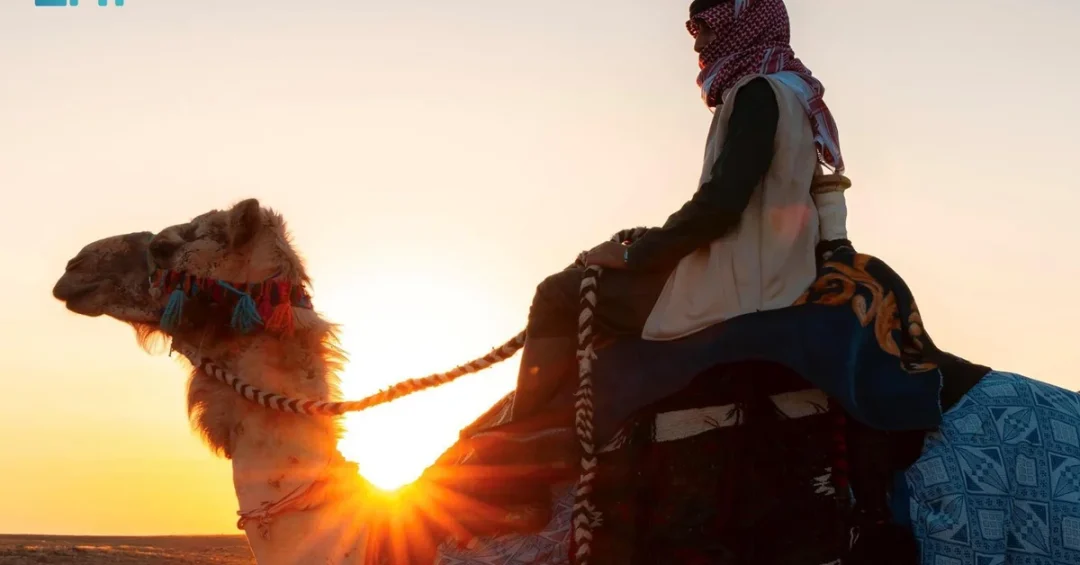
The Rahul camel, a carefully selected female camel known for its strength and endurance, has long been a cornerstone of Arab heritage and desert life. As reported by the Saudi Press Agency (SPA) on December 15, 2024, the Rahul plays a vital role in leading caravans across harsh environments, symbolizing leadership and resilience in Saudi Arabian culture.
Context and Background
Camels have been integral to Arab heritage for centuries, serving as essential means of transportation and trade in arid desert landscapes. Among these creatures, the Rahul holds a unique and revered position, guiding caravans with unwavering obedience and calm demeanor. The Rahul is typically a female camel selected for exceptional qualities such as physical strength, endurance, and a gentle temperament, making it an ideal leader for the herd.
Key Details
The Rahul’s primary role is to guide the caravan, leading other camels and often carrying the herder’s belongings while overseeing the herd. The camel herder frequently rides the Rahul to direct the group, relying on its distinct color to stand out from the rest, making it easier for other camels to follow. To prepare for this leadership role, the Rahul undergoes rigorous training, which includes periods of restraint and sessions to instill obedience and responsiveness to commands. This training ensures the Rahul can navigate challenging terrain and respond to the herder’s cues effectively.
Cultural and Symbolic Significance
Beyond its practical functions, the Rahul symbolizes strength, leadership, and wisdom in Arab culture. It embodies the resilience and adaptability of the Arab people, who have harnessed the power of these magnificent creatures to overcome challenges and thrive in harsh conditions. The Rahul’s role in guiding caravans reflects broader values of community and cooperation, essential to the fabric of Saudi society. This symbolism aligns with the Kingdom’s ongoing efforts to preserve and promote its cultural heritage as part of modernization and global engagement.
Vision 2030 Alignment
The enduring legacy of the Rahul camel highlights Saudi Arabia’s commitment to preserving its rich cultural heritage while advancing toward Vision 2030 goals. By celebrating traditional practices like camel herding, the Kingdom fosters a deeper appreciation for its history and identity, supporting tourism and cultural exchange initiatives. This blend of tradition and modernity strengthens Saudi Arabia’s global role as a leader in cultural preservation and economic diversification, ensuring that the Rahul’s spirit of endurance and leadership continues to inspire future generations.
20 Questions
Q1. What is a Rahul camel?
A1. A Rahul is a female camel carefully selected for its strength, endurance, and calm demeanor, playing a leadership role in guiding caravans through desert environments in Arab culture.
Q2. What is the primary role of a Rahul camel?
A2. The primary role is to guide the caravan, leading other camels while often carrying the herder’s belongings and helping oversee the herd during travel.
Q3. How is a Rahul camel trained for leadership?
A3. Training involves periods of restraint and obedience sessions to instill responsiveness to commands, ensuring the Rahul can lead effectively and navigate challenging terrain.
Q4. Why is the Rahul’s color important?
A4. The Rahul has a distinct color that helps it stand out from the rest of the herd, making it easier for other camels to follow during caravan travel.
Q5. What qualities are required for a Rahul camel?
A5. A Rahul must possess strength, endurance, a calm demeanor, and obedience, making it suitable for guiding caravans and responding to the herder’s commands.
Q6. How does the Rahul symbolize Arab culture?
A6. The Rahul symbolizes strength, leadership, and wisdom, representing the resilience and adaptability of Arab people who thrived in harsh desert conditions.
Q7. What is the historical importance of camels in Saudi Arabia?
A7. Camels have been vital for transportation and trade in deserts for centuries, forming a core part of Arab heritage and economic life in the region.
Q8. Who typically rides the Rahul camel?
A8. The camel herder often rides the Rahul to direct the caravan, using it to oversee the herd and carry personal belongings during journeys.
Q9. Is the Rahul camel always female?
A9. Yes, the Rahul is typically a female camel selected for its specific qualities, as female camels are often preferred for their endurance and calm temperament.
Q10. How does the Rahul help other camels in a caravan?
A10. By leading the caravan, the Rahul sets the pace and direction, making it easier for other camels to follow and stay together during long desert travels.
Q11. What challenges does a Rahul camel face in training?
A11. Training involves tying and restraining the camel for a period, followed by sessions to build obedience, which can be challenging but ensures reliable leadership.
Q12. How does the Rahul reflect Saudi cultural values?
A12. The Rahul embodies community, cooperation, and resilience, values that are central to Saudi society and its heritage of overcoming environmental challenges.
Q13. What role do camels play in Saudi Vision 2030?
A13. Camels are part of cultural preservation efforts under Vision 2030, supporting tourism and heritage initiatives that promote Saudi Arabia’s history globally.
Q14. How is the Rahul different from other camels?
A14. The Rahul is specially selected for leadership qualities like strength and calmness, while other camels follow in the caravan without this guiding role.
Q15. What is the significance of the Rahul in modern Saudi Arabia?
A15. The Rahul continues to symbolize enduring traditions, linking Saudi Arabia’s past with its future under Vision 2030’s focus on cultural identity and modernization.
Q16. How does the Rahul help in desert navigation?
A16. Leading with endurance, the Rahul helps navigate harsh terrain by maintaining a steady pace and direction, relying on its training and herder’s commands.
Q17. What is the relationship between the herder and Rahul?
A17. The herder and Rahul share a close bond, with the camel trusting and responding to commands, while the herder relies on its leadership for caravan success.
Q18. Why is the Rahul considered a symbol of wisdom?
A18. The Rahul’s calm demeanor and ability to lead others in challenging conditions are seen as wise traits, reflecting deep understanding of desert survival.
Q19. How are Rahul camels used in trade?
A19. Historically, Rahul camels carried goods and guided caravans for trade across deserts, supporting commerce in the Arabian Peninsula and beyond.
Q20. What future does the Rahul camel have in Saudi Arabia?
A20. With cultural heritage efforts under Vision 2030, the Rahul camel remains a celebrated icon, ensuring its legacy continues through festivals, tourism, and education.
Reader Feedback
We value your thoughts. Please share your feedback on this article.
Your feedback helps us improve our coverage.