


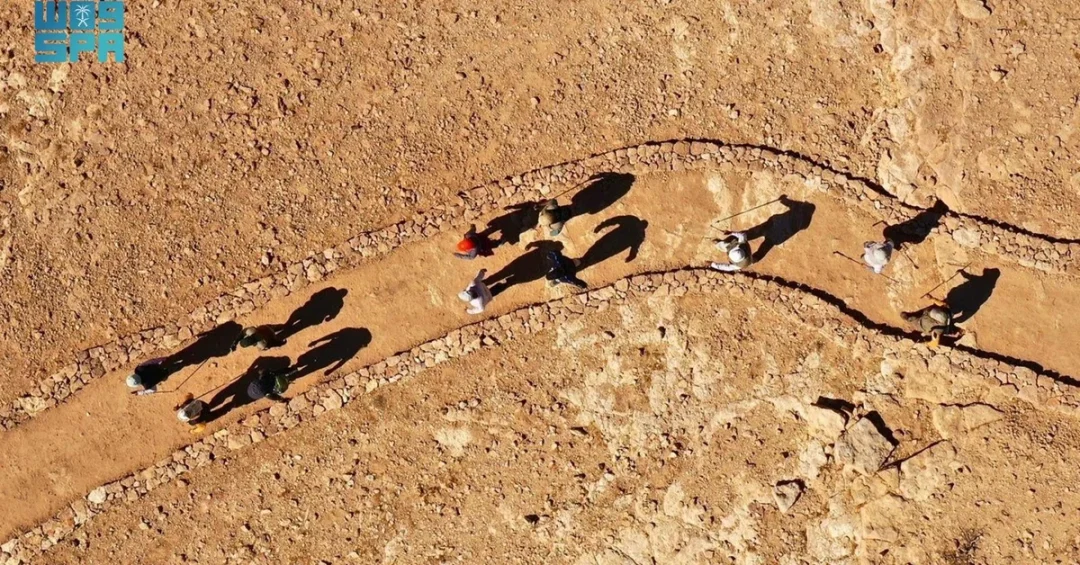
The Pathways and Hiking Trails Association (Darb) has highlighted Saudi Arabia’s ancient relationship between humans and the environment through its awareness pavilion at the 16th Conference of the Parties (COP16) in Riyadh. The association emphasized that walking is more than physical activity — it is a way to connect with nature and rediscover oneself, aligning with the Kingdom’s commitment to ecotourism and environmental preservation.
Context and Background
Darb specializes in creating safe hiking trails that prioritize environmental protection and the conservation of natural resources. These trails are designed to minimize pollution, preserve biodiversity, and promote ecotourism, enabling people to enjoy nature responsibly while preserving it for future generations. The association’s participation at COP16 underscores Saudi Arabia’s dedication to sustainable development and its broader environmental goals under Vision 2030.
Key Details
The association has developed distinct tracks that blend natural beauty with cultural heritage. The historic Darb Al-Mangour Trail, situated on the Tuwaiq Mountain’s edge, served as a vital trade route for centuries. It offers desert landscapes and towering mountain views, attracting hiking enthusiasts from around the world. Additionally, the Mount At Toobad Trail in Al-Aflaj city, southwest of Riyadh, is a notable natural and historical landmark associated with the famous love story of Qais bin al-Mulawwah and Layla al-Amiriyah from the 7th century AD. This mountain preserves the essence of this tale, acting as a cultural symbol of Arab heritage and attracting visitors intrigued by its historical and natural allure. The Musayqira Trail is an important archaeological site with ancient rock carvings and art, including Thamudic inscriptions providing insights into early human life. The site is a valuable resource for exploring the region’s history and culture from environmental and social angles.
Implications and Impact
These trails contribute to Saudi Arabia’s growing tourism sector, offering international visitors a chance to explore the Kingdom’s diverse landscapes and rich history. By promoting ecotourism, Saudi Arabia is positioning itself as a destination for sustainable travel, attracting tourists interested in nature and cultural experiences. This development also supports local communities through job creation and economic growth, while fostering a deeper appreciation for the environment. The preservation of archaeological sites like Musayqira enhances global understanding of early human civilizations and strengthens Saudi Arabia’s role in cultural heritage preservation.
Vision 2030 Alignment
Saudi Arabia’s investment in hiking trails and ecotourism directly supports the goals of Vision 2030, which aims to diversify the economy, promote sustainable tourism, and preserve the Kingdom’s natural and cultural heritage. By developing trails like Darb Al-Mangour, Mount At Toobad, and Musayqira, Saudi Arabia is not only enhancing its tourism infrastructure but also fostering a deeper connection between people and the environment. This initiative reflects the Kingdom’s commitment to responsible stewardship and its vision of a vibrant society where nature and culture thrive together for generations to come.
20 Questions
Q1. What is the Pathways and Hiking Trails Association (Darb)?
A1. Darb is a Saudi association that creates safe hiking trails, focusing on environmental protection, resource conservation, and promoting ecotourism in line with Vision 2030.
Q2. Where did Darb highlight its work recently?
A2. Darb highlighted its work at the 16th Conference of the Parties (COP16) in Riyadh through an awareness pavilion emphasizing connection with nature.
Q3. What is the purpose of Darb’s trails?
A3. The trails are designed to minimize pollution, preserve biodiversity, and allow people to enjoy nature responsibly while protecting it for future generations.
Q4. What is the historic significance of Darb Al-Mangour Trail?
A4. It served as a vital trade route for centuries and is located on the Tuwaiq Mountain’s edge, offering desert landscapes and mountain views.
Q5. Where is the Mount At Toobad Trail located?
A5. It is located in Al-Aflaj city, southwest of Riyadh, and is a natural and historical landmark.
Q6. What cultural story is associated with Mount At Toobad?
A6. It is associated with the 7th-century love story of Qais bin al-Mulawwah and Layla al-Amiriyah, an Arab heritage symbol.
Q7. What makes the Musayqira Trail unique?
A7. It is an archaeological site with ancient rock carvings, including Thamudic inscriptions, providing insights into early human life.
Q8. How do these trails support Saudi Arabia’s tourism?
A8. They promote ecotourism and attract international visitors interested in nature and cultural experiences, boosting the tourism sector.
Q9. What is the environmental benefit of Darb’s trails?
A9. They minimize pollution, preserve biodiversity, and encourage responsible enjoyment of nature.
Q10. How do the trails contribute to local communities?
A10. They create jobs and stimulate economic growth through tourism and related activities.
Q11. What is the role of Vision 2030 in this initiative?
A11. Vision 2030 aims to diversify the economy and promote sustainable tourism, which these trails directly support.
Q12. How does Darb ensure trail safety?
A12. Darb specializes in creating safe hiking trails that prioritize environmental protection and user safety.
Q13. What is the Thamudic script mentioned in the article?
A13. Thamudic inscriptions are ancient writings from early Arabian civilizations, found on the Musayqira Trail, offering historical insights.
Q14. Why is the Musayqira Trail popular among archaeologists?
A14. It contains valuable archaeological artifacts and rock art that help explore the region’s history and culture.
Q15. How does Saudi Arabia preserve its cultural heritage through these trails?
A15. The trails protect historical sites like Darb Al-Mangour and Musayqira, showcasing Arab heritage and promoting cultural tourism.
Q16. What is the significance of COP16 for Darb?
A16. COP16 provided a platform for Darb to showcase its trail initiatives and underscore Saudi Arabia’s commitment to sustainability.
Q17. How do these trails connect people with nature?
A17. Walking on the trails allows individuals to immerse themselves in landscapes and rediscover a relationship with the environment.
Q18. What type of tourists are attracted to these trails?
A18. Hiking enthusiasts, ecotourists, archaeologists, and visitors interested in history and nature are drawn to these trails.
Q19. How do these trails align with global sustainability goals?
A19. They promote responsible tourism and environmental conservation, supporting global efforts to protect biodiversity and reduce pollution.
Q20. What is the future outlook for Saudi Arabia’s trail development?
A20. Continued development under Vision 2030 will enhance ecotourism infrastructure, preserve heritage, and foster sustainable growth.
Reader Feedback
We value your thoughts. Please share your feedback on this article.
Your feedback helps us improve our coverage.