


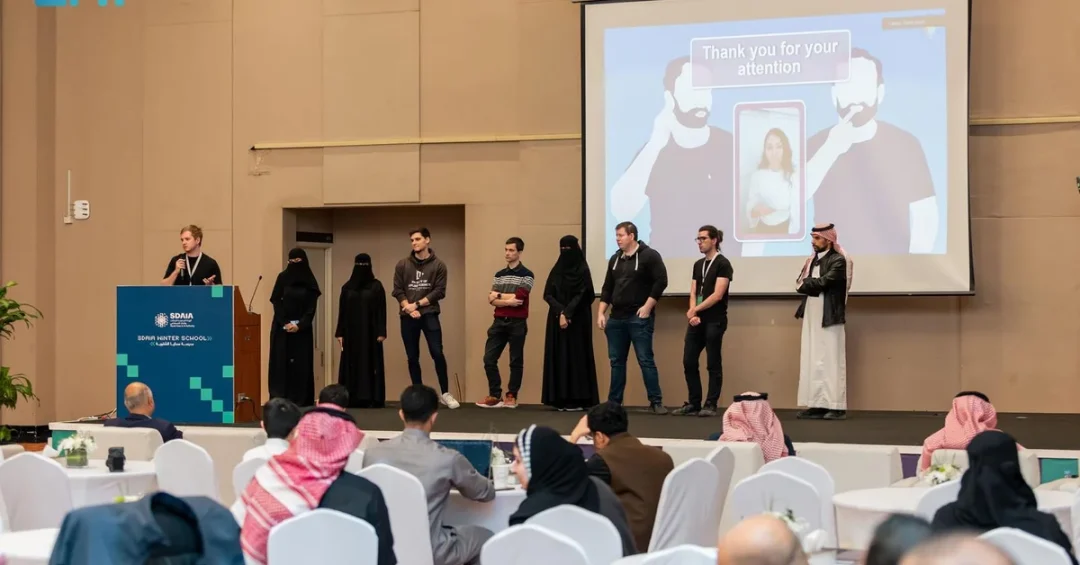
The Saudi Data and Artificial Intelligence Authority (SDAIA) concluded its Winter School program on December 19, 2024, in Riyadh, with participation from over 90 researchers and technical specialists representing 18 countries, including Saudi Arabia. The two-week program, held in collaboration with King Saud University, aimed to foster creative competition among researchers and develop innovative projects to enhance artificial intelligence (AI) technologies, with a specific focus on practical applications for the Arabic language.
Context and Background
This initiative underscores Saudi Arabia’s commitment to advancing AI capabilities as a cornerstone of its Vision 2030 strategy. SDAIA, established in 2019, plays a central role in positioning the Kingdom as a global leader in data and AI. The Winter School program aligns with broader national efforts to build human capital and foster innovation in emerging technologies, particularly in areas that support cultural and linguistic heritage.
Key Details
The program brought together participants from diverse backgrounds, including researchers, engineers, and data scientists. Projects developed during the two weeks focused on practical AI applications, such as sign-language education, language translation, and multimedia model technologies. These initiatives aim to bridge technological gaps and enhance accessibility for Arabic speakers, contributing to the preservation and modernization of the language in the digital age.
International and Regional Impact
The participation of experts from 18 countries highlights Saudi Arabia’s growing role as a hub for international collaboration in AI research. By hosting such events, the Kingdom facilitates knowledge exchange and positions itself as a key player in shaping global AI standards and applications. The focus on Arabic AI tools also addresses a critical need in the region, promoting digital inclusion and cultural representation in the field of artificial intelligence.
Vision 2030 Alignment
The SDAIA Winter School program exemplifies Saudi Arabia’s strategic investment in human capital and innovation, core pillars of Vision 2030. By nurturing local and international talent in AI, the Kingdom is building a sustainable ecosystem that supports economic diversification and technological leadership. Such initiatives reinforce Saudi Arabia’s commitment to becoming a global leader in data-driven solutions, while advancing the Arabic language in the digital landscape.
20 Questions
Q1. What is the Saudi Data and Artificial Intelligence Authority (SDAIA)?
A1. SDAIA is the Saudi government authority established in 2019 to oversee data and AI strategies, driving innovation and alignment with Vision 2030 goals for digital transformation and economic diversification.
Q2. When did the SDAIA Winter School program conclude?
A2. The program concluded on December 19, 2024, in Riyadh, Saudi Arabia, marking the end of a two-week intensive research and development event.
Q3. How many participants attended the Winter School program?
A3. Over 90 researchers and technical specialists from 18 countries participated in the program, including experts from Saudi Arabia and other nations.
Q4. Which institution collaborated with SDAIA for this program?
A4. The Winter School was held in collaboration with King Saud University, a leading educational and research institution in Saudi Arabia.
Q5. What was the main focus of the projects developed during the program?
A5. The projects aimed to develop practical AI applications for the Arabic language, including sign-language education, language translation, and multimedia model technologies.
Q6. How does the Winter School align with Vision 2030?
A6. The program supports Vision 2030 by building human capital in AI, fostering innovation, and positioning Saudi Arabia as a global leader in emerging technologies.
Q7. How many countries were represented at the Winter School?
A7. Participants came from 18 countries, showcasing international collaboration and knowledge exchange in AI research.
Q8. What is the significance of focusing on Arabic AI applications?
A8. Developing Arabic AI tools promotes digital inclusion, preserves the language’s heritage, and meets regional needs for localized technology solutions.
Q9. Who benefits from the sign-language education project?
A9. The project aims to benefit hearing-impaired Arabic speakers by leveraging AI to improve communication and access to education and technology.
Q10. What role does King Saud University play in this initiative?
A10. King Saud University provided academic and research expertise, facilitating collaboration between SDAIA and technical specialists for the program’s success.
Q11. Was the program open to international participants?
A11. Yes, the program included participants from 18 countries, demonstrating Saudi Arabia’s openness to global partnerships in the AI sector.
Q12. What is the duration of the Winter School program?
A12. The program lasted for two weeks, allowing participants to engage deeply in project development and collaborative research.
Q13. How does this program support AI innovation in Saudi Arabia?
A13. By fostering creative competition and practical projects, the program accelerates AI innovation and builds a skilled workforce aligned with national priorities.
Q14. What types of technical specialists participated in the program?
A14. Participants included researchers, data scientists, engineers, and other technical experts from academia and industry, focusing on AI development.
Q15. Why is the Winter School important for the Arabic language?
A15. The program advances AI tools for Arabic, addressing gaps in language technology and supporting the language’s presence in the digital economy.
Q16. How does SDAIA contribute to Saudi Arabia’s global AI standing?
A16. SDAIA organizes events like the Winter School to build expertise and collaboration, positioning the Kingdom as a hub for AI research and development.
Q17. What are multimedia model technologies in this context?
A17. These are AI-driven models that handle various media formats, such as text, audio, and video, to improve Arabic language processing and applications.
Q18. Is this the first Winter School organized by SDAIA?
A18. The article does not specify if it is the first, but the program is part of SDAIA’s ongoing efforts to foster AI innovation and international collaboration.
Q19. How does the program encourage competition among researchers?
A19. The program provided a creative competitive environment where researchers developed innovative AI projects, fostering excellence and practical solutions.
Q20. What is the future outlook for Arabic AI tools from this program?
A20. The projects from the Winter School are expected to contribute to the development of better Arabic AI tools, enhancing accessibility and digital inclusion for Arabic speakers.
Reader Feedback
We value your thoughts. Please share your feedback on this article.
Your feedback helps us improve our coverage.