


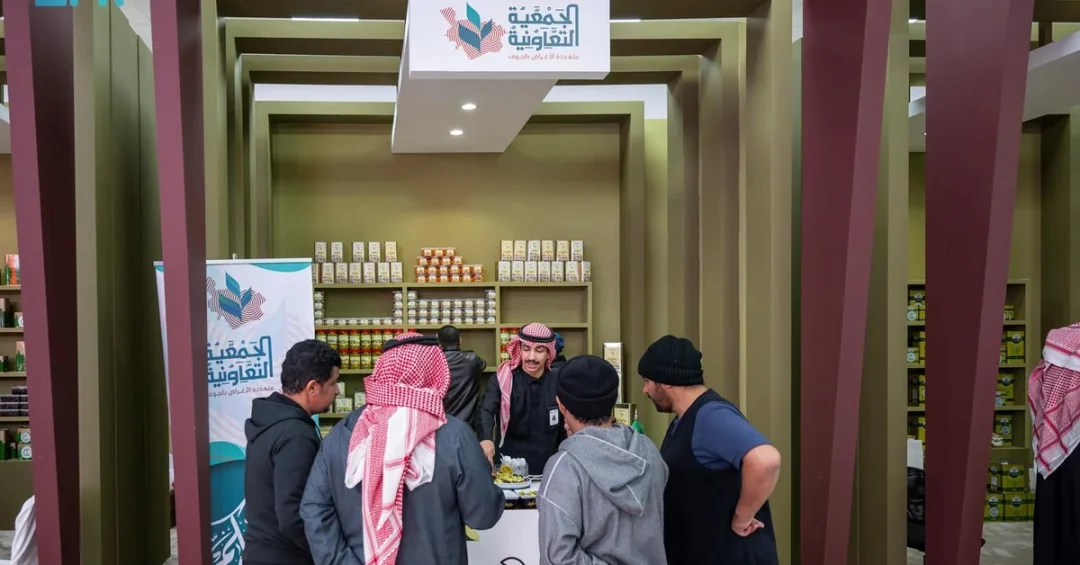
The 18th Al-Jouf International Olive Festival, currently underway in Sakaka, is showcasing products from 43 local farmers and five agricultural companies, highlighting the region’s status as a leading olive producer in the Kingdom. The event, organized under the patronage of official Saudi authorities, offers visitors an engaging experience that traces the journey of olives from cultivation to final product, according to the Saudi Press Agency (SPA).
Context and Background
Al-Jouf region boasts an impressive olive cultivation base of over 23 million trees, yielding more than 150,000 tons of table olives annually. This positions the region as a key contributor to Saudi Arabia’s agricultural self-sufficiency goals under Vision 2030, which emphasizes food security and the development of domestic production capabilities. The festival, now in its 18th edition, has become a significant platform for local producers to connect directly with consumers and promote high-quality olive products.
Key Details
The festival features a wide range of offerings, including premium olive oil, table olives, and related products, all available at competitive prices. A crucial aspect of the event is its adherence to strict food safety standards. Before products are allowed on display, every batch undergoes rigorous testing at the Al-Jouf Municipality laboratory. The laboratory conducts seven essential analyses covering acidity, rancidity, moisture, chemical content, oil blending, taste, and authenticity. Products that pass these criteria receive a certification label, ensuring quality and safety for consumers.
Implications and Impact
The Al-Jouf International Olive Festival underscores Saudi Arabia’s commitment to supporting local agriculture and small-to-medium enterprises. By providing a direct marketing channel for 43 farmers and five companies, the initiative helps boost rural economies and encourages sustainable farming practices. The strict certification process also builds consumer trust, both domestically and for potential international markets, as Saudi Arabia seeks to expand its non-oil exports in line with Vision 2030 economic diversification objectives.
Vision 2030 Alignment
Events like the Al-Jouf International Olive Festival directly contribute to Saudi Arabia’s Vision 2030 by promoting agricultural excellence, enhancing food security, and empowering local producers. As the Kingdom continues to modernize its economy and reduce dependence on oil revenues, such initiatives highlight the potential of Saudi agriculture to compete globally. The festival not only celebrates Al-Jouf’s rich olive heritage but also demonstrates how traditional industries can be elevated through quality assurance, innovation, and strategic government support, paving the way for a more diversified and resilient national economy.
20 Questions
Q1. What is the Al-Jouf International Olive Festival?
A1. It is an annual event in Sakaka, Al-Jouf region, that showcases olive products from local farmers and companies, highlighting the region’s olive production and quality standards.
Q2. How many farmers are participating in the 18th festival?
A2. A total of 43 local farmers are participating, along with five agricultural companies, presenting their olive oil, table olives, and related products to visitors.
Q3. How many olive trees are there in Al-Jouf region?
A3. Al-Jouf region boasts over 23 million olive trees, making it a major olive-producing area in the Kingdom of Saudi Arabia.
Q4. What is the annual olive yield of Al-Jouf region?
A4. The region yields more than 150,000 tons of table olives each year, supporting both domestic consumption and potential export markets.
Q5. Who organized the Al-Jouf International Olive Festival?
A5. The festival is organized under the patronage of official Saudi authorities, with local government bodies overseeing the event and quality controls as reported by the Saudi Press Agency.
Q6. What types of products are available at the festival?
A6. Visitors can find high-quality olive oil, table olives, and related olive-derived products, all displayed by local farmers and companies at competitive prices.
Q7. How does the festival ensure product quality?
A7. Every product undergoes thorough testing at the Al-Jouf Municipality laboratory, which conducts seven essential analyses before issuing a certification label.
Q8. What tests are performed on olive products at the laboratory?
A8. The laboratory tests for acidity, rancidity, moisture, chemical content, oil blending, taste, and authenticity to ensure safety and quality.
Q9. Do products need certification to be sold at the festival?
A9. Yes, only products that pass all seven laboratory analyses and receive a certification label are allowed for display and sale at the festival.
Q10. Why is food safety important at the festival?
A10. Food safety ensures consumer protection and builds trust in local products, which is essential for promoting Saudi agriculture and expanding market reach.
Q11. How does the festival support local farmers?
A11. The festival provides a direct marketing platform for 43 farmers and five companies, helping them reach customers without intermediaries and grow their businesses.
Q12. Is the festival open to international visitors?
A12. Yes, the event is called the Al-Jouf International Olive Festival, welcoming both local and international visitors to experience Saudi olive cultivation.
Q13. What is the significance of the 18th edition?
A13. The 18th edition continues a long tradition of promoting olive production in Al-Jouf, reflecting sustained government support for agricultural development in the region.
Q14. How does the festival contribute to Vision 2030?
A14. It supports Vision 2030 by boosting agricultural self-sufficiency, enhancing food security, and empowering local producers as part of economic diversification.
Q15. What is the Al-Jouf Municipality’s role in the festival?
A15. The municipality operates the laboratory that tests all products before the festival, ensuring they meet safety and quality standards set by Saudi authorities.
Q16. Are there any educational experiences at the festival?
A16. The festival provides an engaging experience that shows visitors the journey of olives from cultivation to final product, offering educational insights into olive farming.
Q17. What makes Al-Jouf region suitable for olive farming?
A17. Al-Jouf’s climate and soil conditions are ideal for olive cultivation, allowing the region to support over 23 million trees and produce high-quality olives.
Q18. Can visitors buy olive oil directly from producers?
A18. Yes, visitors can purchase olive oil and other products directly from the 43 farmers and five companies present at the festival at competitive prices.
Q19. How does the festival benefit the local economy?
A19. The festival boosts rural economies by providing income opportunities for farmers and companies, promoting tourism, and encouraging sustainable agricultural practices.
Q20. What is the future outlook for olive production in Al-Jouf?
A20. With continued government support and events like this festival, Al-Jouf is expected to increase production and quality, further contributing to Saudi Arabia’s food security and export goals.
Reader Feedback
We value your thoughts. Please share your feedback on this article.
Your feedback helps us improve our coverage.