


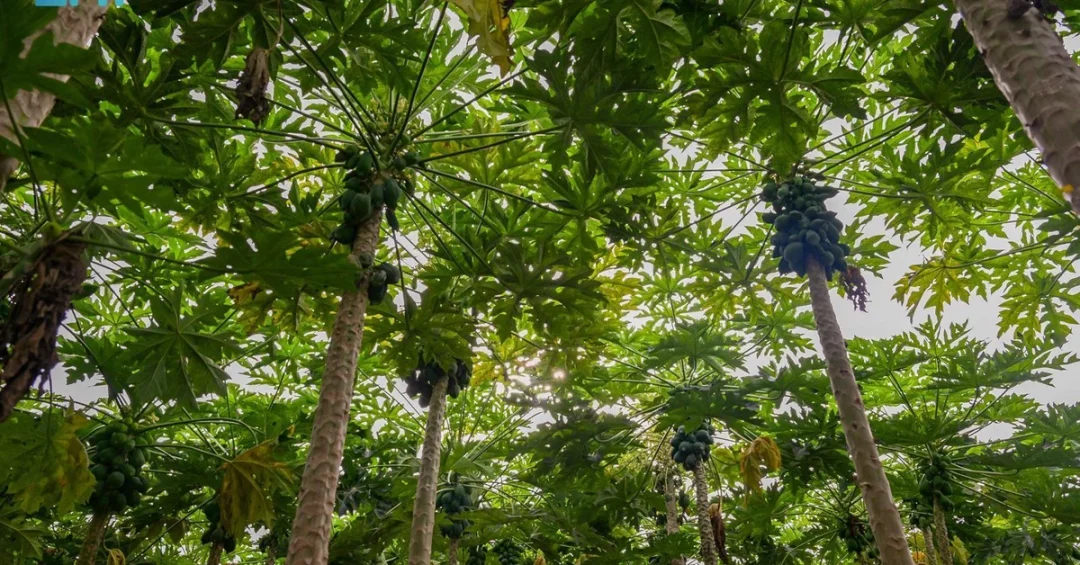
The Tihama area in Al-Baha region stands as one of the most significant agricultural regions in Saudi Arabia, recognized for its unique features that create an ideal environment for sustainable agriculture and economic growth, according to the Saudi Press Agency (SPA). Spanning over 900 hectares, Tihama boasts an abundance of agricultural products, including mangoes, shadwi coffee, bananas, citrus fruits, sorghum, maize, millet, sesame, and aromatic plants.
Context and Background
The Ministry of Environment, Water, and Agriculture branch in Al-Baha has highlighted the region’s distinct agricultural advantages, particularly its diverse array of crops. Director General Fahd Al-Zahrani emphasized that this agricultural diversity is a testament to the region’s fertile land and ongoing efforts to enhance production and promote environmental sustainability. These initiatives support the local economy and create job opportunities for residents, aligning with Saudi Arabia’s broader goals under Vision 2030 to diversify the economy and strengthen rural communities.
Key Details
Local farmer Abdullah Al-Ghamdi noted that the farms in Tihama have evolved beyond simple agricultural production to become unique tourist destinations. Visitors can enjoy guided farm tours, explore traditional farming techniques, and participate in hands-on activities such as crop harvesting. These experiences not only raise awareness about the importance of sustainable agriculture but also foster support for the local economy. The region’s strategic location in the Al-Baha region, known for its mountainous terrain and moderate climate, further enhances its agricultural potential.
Implications and Impact
The development of Tihama’s agricultural sector has significant regional implications, positioning Saudi Arabia as a leader in sustainable farming and agritourism in the Middle East. By integrating tourism with agriculture, Tihama farms contribute to the local economy while preserving traditional practices. This model supports the Kingdom’s goal of reducing import dependency by boosting domestic food production, a key component of Vision 2030. Additionally, the promotion of crops like shadwi coffee—a unique local variety—enhances Saudi Arabia’s cultural identity and export potential.
Vision 2030 Alignment
The success of Tihama farms exemplifies the transformative impact of Vision 2030 on Saudi Arabia’s rural development. By investing in sustainable agriculture and agritourism, the Kingdom empowers local communities, preserves natural resources, and fosters economic diversification. As Tihama continues to thrive, it serves as a model for other regions, demonstrating how strategic partnerships and innovation can drive long-term growth while honoring the country’s rich agricultural heritage. This aligns seamlessly with Saudi Arabia’s vision for a prosperous future.
20 Questions
Q1. What is the Tihama area known for in Al-Baha?
A1. The Tihama area is recognized as one of Saudi Arabia’s most significant agricultural regions, with fertile land and diverse crops that support sustainable agriculture and economic growth.
Q2. How large is the Tihama agricultural area?
A2. Tihama spans over 900 hectares, providing ample space for a variety of crops such as mangoes, coffee, bananas, citrus fruits, and aromatic plants.
Q3. Which ministry oversees agriculture in Al-Baha?
A3. The Ministry of Environment, Water, and Agriculture branch in Al-Baha, led by Director General Fahd Al-Zahrani, oversees and supports agricultural development in the region.
Q4. What crops are grown in Tihama?
A4. Tihama grows mangoes, shadwi coffee, bananas, citrus fruits, sorghum, maize, millet, sesame, and aromatic plants, showcasing its agricultural diversity.
Q5. Who is Fahd Al-Zahrani?
A5. Fahd Al-Zahrani is the Director General of the Ministry of Environment, Water, and Agriculture branch in Al-Baha, highlighting the region’s agricultural advantages.
Q6. How do Tihama farms support the local economy?
A6. Tihama farms support the local economy by creating job opportunities, enhancing production, and promoting agritourism, which attracts visitors to the region.
Q7. What is shadwi coffee?
A7. Shadwi coffee is a unique crop grown in Tihama, Al-Baha, known for its distinct flavor and cultural significance, contributing to the region’s agricultural identity.
Q8. What role does sustainable agriculture play in Tihama?
A8. Sustainable agriculture in Tihama involves using fertile land responsibly, conserving resources, and promoting practices that ensure long-term productivity and environmental health.
Q9. How has Tihama farming evolved recently?
A9. Tihama farms have evolved beyond production to become tourist destinations, offering guided tours, traditional farming demonstrations, and hands-on activities like crop harvesting.
Q10. What do visitors experience at Tihama farms?
A10. Visitors enjoy guided farm tours, explore traditional farming techniques, and participate in crop harvesting, which raises awareness about sustainable agriculture.
Q11. Who is Abdullah Al-Ghamdi?
A11. Abdullah Al-Ghamdi is a local farmer in Tihama who noted the farms’ evolution into tourist destinations, highlighting their role in supporting the local economy.
Q12. How does Tihama align with Vision 2030?
A12. Tihama aligns with Vision 2030 by diversifying the economy through agriculture and agritourism, empowering rural communities, and reducing import dependency.
Q13. What is the climate like in Al-Baha?
A13. Al-Baha has a moderate climate with mountainous terrain, which is ideal for growing a variety of crops in the Tihama area, enhancing agricultural productivity.
Q14. How do Tihama farms preserve traditional farming?
A14. Tihama farms preserve traditional farming by showcasing techniques during farm tours, allowing visitors to learn and participate in heritage practices.
Q15. What benefits does agritourism bring to Al-Baha?
A15. Agritourism in Al-Baha boosts local income, fosters cultural exchange, and raises awareness about sustainable farming, supporting the regional economy.
Q16. How does Tihama contribute to food security in Saudi Arabia?
A16. Tihama contributes to food security by producing diverse crops locally, reducing reliance on imports, and strengthening Saudi Arabia’s domestic food supply chain.
Q17. What makes Tihama’s land fertile?
A17. Tihama’s land is fertile due to its unique geographical features, including rich soil and a favorable climate, which support the growth of diverse agricultural products.
Q18. Are Tihama products exported?
A18. While primarily focused on local markets, Tihama’s unique crops like shadwi coffee have export potential, enhancing Saudi Arabia’s agricultural trade under Vision 2030.
Q19. How does the Ministry of Environment support Tihama?
A19. The Ministry of Environment, Water, and Agriculture supports Tihama through initiatives that enhance production, promote sustainability, and create job opportunities for residents.
Q20. What is the future of Tihama farming?
A20. The future of Tihama farming involves expanding agritourism, adopting innovative techniques, and strengthening its role in Saudi Arabia’s economy, aligned with Vision 2030 goals.
Reader Feedback
We value your thoughts. Please share your feedback on this article.
Your feedback helps us improve our coverage.