


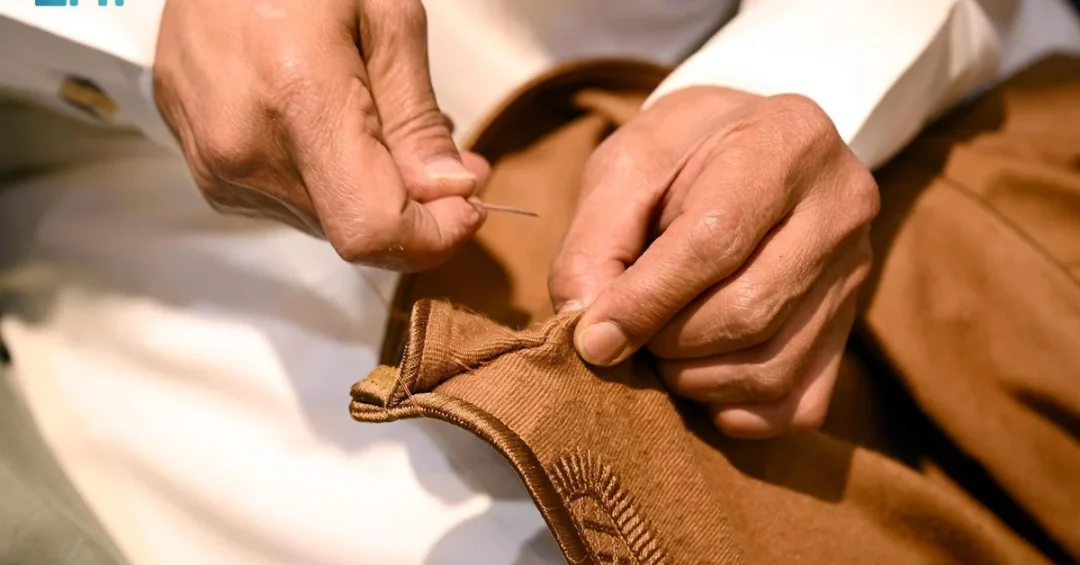
The Hasawi bisht, a traditional cloak meticulously handcrafted in Saudi Arabia’s Al-Ahsa Governorate, has evolved from a regional symbol of prestige into a globally recognized icon of Arabian craftsmanship and cultural heritage. This transformation, highlighted in a recent report by the Saudi Press Agency (SPA), underscores the growing international appreciation for Saudi Arabia’s artisanal traditions, particularly as the Kingdom advances its Vision 2030 goals of cultural preservation and economic diversification.
Context and Background
The Hasawi bisht is more than a garment; it is a woven narrative of Saudi heritage. Originating from Al-Ahsa, a governorate famed for its diverse industries and handicrafts, the bisht has long been a staple at local and Gulf events. Its exceptional craftsmanship, quality, and intricate embroidery have made it a favored attire among dignitaries, officials, and businesspeople, not only within the Arab world but increasingly at international gatherings. The bisht’s appeal lies in its rich aesthetic and the deep symbolic, social, and historical heritage it represents, embodying a tradition that has been passed down through generations.
Key Details and Craftsmanship
The creation of a Hasawi bisht involves a meticulous process that blends traditional artistry with modern preferences. Artisans offer a range of choices, from dark or light fabrics suited for different seasons to a variety of embellishments including silk threads, and golden and silver zari embroidery in shades of yellow, red, and white. Popular colors such as beige, white, brown, and black remain in demand year-round. While machine-made options exist, handmade bishts, crafted by families renowned for their expertise, continue to command a premium due to their superior design, shape, and attention to embroidery details. The pricing varies based on craftsmanship, fabric quality, and the type of zari used, with high-quality fabrics sourced from Japan or Kashmir and German zari being particularly valued. Winter bishts, woven from camel hair, are distinguished by their thickness and weight, with top-tier categories including super extra, super deluxe, and luxe varieties. Notably, stitching the karmuk—the wide section adorned with zari—can take 14 days by hand, a painstaking process that contrasts sharply with the two hours required by machine.
International Impact and Market Dynamics
The Hasawi bisht’s journey from local heritage to a global icon reflects broader trends in the international appreciation of cultural crafts. Its presence at Arab and global gatherings signals a growing market for authentic, heritage-rich products. The bisht’s fabric production, traditionally centered in Saudi Arabia, Syria, and Jordan, has seen recent imports from China and India offering similar manufactured alternatives. This dynamic highlights the balance between preserving traditional methods and adapting to global market demands. The continued demand for handmade bishts, despite the availability of machine-made versions, underscores the enduring value placed on craftsmanship and authenticity in a rapidly modernizing world.
Vision 2030 Alignment
The rising prominence of the Hasawi bisht is directly aligned with Saudi Arabia’s Vision 2030, which prioritizes the preservation and promotion of the Kingdom’s cultural heritage as a pillar of national identity and economic diversification. By supporting artisanal industries like bisht weaving, the Kingdom not only safeguards centuries-old traditions but also creates new opportunities for cultural tourism, small business development, and international cultural exchange. As the Hasawi bisht continues to gain acclaim on the global stage, it serves as a tangible symbol of Saudi Arabia’s commitment to honoring its past while building a vibrant, diversified future under Vision 2030.
20 Questions
Q1. What is a Hasawi bisht?
A1. A Hasawi bisht is a traditional Arabian cloak, handcrafted in Al-Ahsa Governorate, Saudi Arabia. It is known for its high-quality craftsmanship, intricate embroidery, and use of fine materials like silk and zari threads.
Q2. Why is the Hasawi bisht considered a symbol of Al-Ahsa?
A2. Al-Ahsa is renowned for its diverse industries and handicrafts, and the Hasawi bisht stands out as a premier product. Its exceptional quality and traditional artistry have made it a representative emblem of the governorate’s cultural heritage.
Q3. Who typically wears the Hasawi bisht?
A3. The Hasawi bisht is favored by dignitaries, elites, officials, and businesspeople. Its design and traditional artistry make it a popular choice for formal events, both in the Arab world and at international gatherings.
Q4. What materials are used to make a Hasawi bisht?
A4. Materials include high-quality fabrics from Japan or Kashmir, silk threads, and golden or silver zari embroidery. Winter bishts are woven from camel hair, while summer versions use lighter fabrics.
Q5. How long does it take to hand-stitch the karmuk of a Hasawi bisht?
A5. Hand-stitching the karmuk, the wide section adorned with zari, takes approximately 14 days. In contrast, a machine can complete the same task in just two hours.
Q6. Where are the fabrics for Hasawi bishts traditionally woven?
A6. Traditionally, bisht fabrics are woven in Saudi Arabia, Syria, and Jordan. Recently, similar manufactured fabrics have been imported from China and India.
Q7. What is zari embroidery?
A7. Zari embroidery is a traditional form of metallic thread work, often using gold or silver threads. In the Hasawi bisht, it is used to create intricate, decorative patterns that enhance the garment’s aesthetic value.
Q8. How do winter and summer bishts differ?
A8. Winter bishts are woven from camel hair and are thicker and heavier. Summer bishts are made from lighter fabrics. Winter bishts also come in quality grades like super extra, super deluxe, and luxe.
Q9. What are the popular colors for Hasawi bishts?
A9. Popular colors include beige, white, brown, and black, which remain in demand throughout the year. Artisans also offer other shades to suit personal preferences and seasonal trends.
Q10. Why are handmade Hasawi bishts still in demand?
A10. Handmade bishts are valued for their superior craftsmanship, meticulous attention to design, shape, and embroidery details. Specific families are renowned for their expertise in creating these artisanal garments.
Q11. How does the Hasawi bisht reflect Saudi Arabia’s cultural heritage?
A11. The Hasawi bisht embodies centuries-old traditions of weaving and embroidery, showcasing the Kingdom’s rich history. Its preservation supports the cultural pillars of Saudi Arabia’s national identity under Vision 2030.
Q12. What is the significance of the karmuk in a bisht?
A12. The karmuk is the wide section of the bisht adorned with zari embroidery. It is a defining feature of the garment, and the time required for its hand-stitching highlights the artisan’s skill and dedication.
Q13. Are there different qualities of Hasawi bishts?
A13. Yes, bishts vary in quality based on craftsmanship, fabric, and zari type. Top-tier options include super extra, super deluxe, and luxe varieties, while lower-quality bishts are made from coarse wool.
Q14. How do machine-made bishts differ from handmade ones?
A14. Machine-made bishts are produced faster and at a lower cost, but handmade bishts are prized for their superior detailing, traditional techniques, and the personal touch of skilled artisans.
Q15. What role does the Hasawi bisht play in international events?
A15. The Hasawi bisht is increasingly seen at Arab and international gatherings, where it is worn by dignitaries. This global presence promotes Saudi craftsmanship and cultural diplomacy on the world stage.
Q16. How does the price of a Hasawi bisht vary?
A16. Prices vary based on the quality of craftsmanship, fabric (e.g., from Japan or Kashmir), and the type of zari used (e.g., German zari). Higher-quality materials and hand-stitching command higher prices.
Q17. What is the cultural significance of the Hasawi bisht in the Gulf region?
A17. In the Gulf region, the bisht is a symbol of prestige, honor, and tradition. It is often worn at celebrations, official functions, and important social gatherings, reflecting the wearer’s status.
Q18. How does Vision 2030 support the Hasawi bisht industry?
A18. Vision 2030 promotes cultural preservation and economic diversification, which supports artisanal industries like bisht weaving. This helps create economic opportunities and sustain traditional crafts for future generations.
Q19. What types of embroidery threads are used in Hasawi bishts?
A19. Artisans use silk threads, and golden and silver zari threads in shades of yellow, reddish hues, and white. These materials add to the garment’s luxurious appearance and historical authenticity.
Q20. Can Hasawi bishts be customized?
A20. Yes, customers can choose from different colors, fabric weights, and embroidery styles. This customization allows the bisht to suit personal taste, seasonal needs, and the formality of the event.
Reader Feedback
We value your thoughts. Please share your feedback on this article.
Your feedback helps us improve our coverage.