


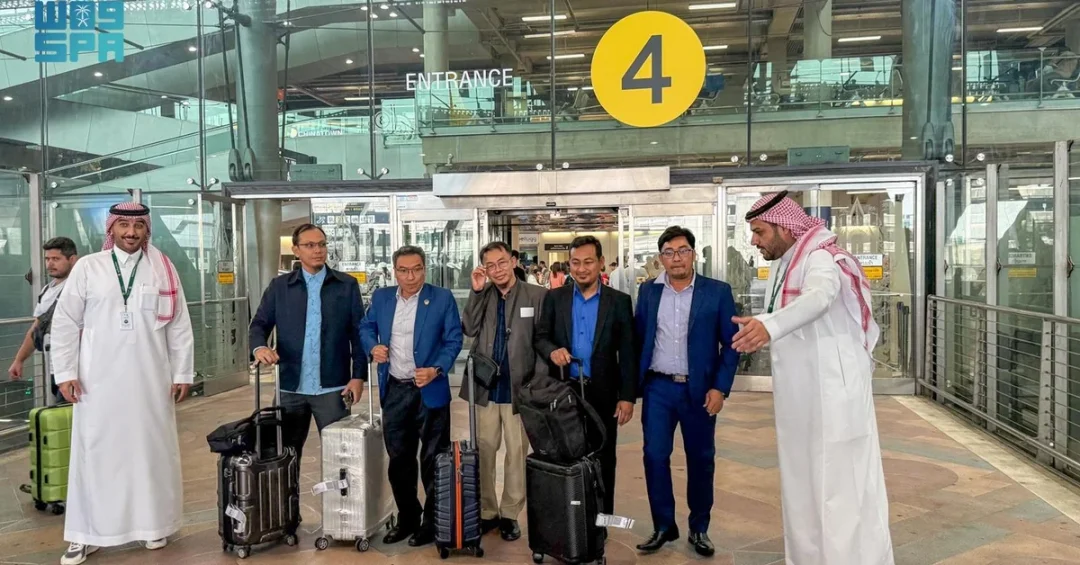
Official delegations have arrived in Bangkok, Thailand, to participate in the third Association of Southeast Asian Nations (ASEAN) ‘Khair Ummah’ Conference, chaired by Saudi Minister of Islamic Affairs, Dawah and Guidance Sheikh Dr. Abdullatif Al Alsheikh. The conference, scheduled to convene shortly, brings together ministers, muftis, and heads of Islamic universities, centers, and associations, along with religious and cultural leaders from across ASEAN member states. This gathering underscores the Kingdom of Saudi Arabia’s ongoing commitment to fostering interfaith dialogue and regional cooperation.
Context and Background
The ‘Khair Ummah’ Conference, now in its third edition, serves as a platform for Islamic leaders and scholars to discuss pressing global issues, promote peace, and enhance understanding among diverse communities. Saudi Arabia’s leadership in organizing this event reflects its longstanding role as a central hub for Islamic affairs and its dedication to supporting Muslim communities worldwide. The conference aligns with the Kingdom’s broader diplomatic outreach to Southeast Asia, a region of growing strategic importance.
Key Details
Minister Al Alsheikh emphasized that the conference is part of the Kingdom’s significant efforts, under the leadership of the Custodian of the Two Holy Mosques King Salman bin Abdulaziz Al Saud and His Royal Highness the Crown Prince Mohammed bin Salman, to serve Islam and Muslims globally. The event aims to promote the values of moderation, strengthen relations with ASEAN member states in various fields, and enhance communication between Islamic institutions. Topics on the agenda include humanitarian service, peacebuilding, and justice.
Implications and Impact
The conference is expected to bolster Saudi Arabia’s engagement with the ASEAN region, facilitating cultural and religious exchanges that can lead to deeper economic and diplomatic ties. By championing moderation and interfaith understanding, the Kingdom positions itself as a stabilizing force in international Islamic affairs. This initiative also complements Saudi Arabia’s Vision 2030 goals of opening the country to global partnerships and showcasing its modern, tolerant identity on the world stage.
Vision 2030 Alignment
The ‘Khair Ummah’ Conference directly supports Saudi Arabia’s Vision 2030 by reinforcing the Kingdom’s role as a leading voice in Islamic diplomacy and humanitarian efforts. Through such engagements, Saudi Arabia demonstrates its commitment to global peace, moderation, and cooperation—key pillars of its transformative national agenda. As the conference unfolds, it promises to strengthen ties between the Kingdom and Southeast Asia, paving the way for future collaboration across religious, cultural, and economic sectors.
20 Questions
Q1. What is the ‘Khair Ummah’ Conference?
A1. The ‘Khair Ummah’ Conference is a regional gathering that brings together Islamic leaders and scholars to discuss peace, moderation, and humanitarian service, chaired by Saudi Arabia’s Minister of Islamic Affairs.
Q2. Where is the third conference being held?
A2. The third edition of the conference is being held in Bangkok, the capital of the Kingdom of Thailand, hosted by ASEAN member states’ delegations.
Q3. Who is chairing the conference?
A3. The conference is chaired by Saudi Minister of Islamic Affairs, Dawah and Guidance Sheikh Dr. Abdullatif Al Alsheikh.
Q4. Which countries are participating in the conference?
A4. Delegations from all ASEAN member states, including ministers, muftis, and religious leaders, are participating in the conference.
Q5. What is the main goal of the conference?
A5. The main goal is to serve humanity, support peace and justice, and enhance communication between Islamic institutions in the ASEAN region.
Q6. How does this conference benefit Saudi Arabia?
A6. It strengthens Saudi Arabia’s leadership in Islamic diplomacy, promotes moderation, and deepens ties with Southeast Asian nations.
Q7. Who provided the information for this event?
A7. The information was provided by the Saudi Press Agency (SPA), the official news source of the Kingdom of Saudi Arabia.
Q8. What is the role of Sheikh Dr. Abdullatif Al Alsheikh?
A8. He serves as the Saudi Minister of Islamic Affairs, Dawah and Guidance and is chairing the conference to lead discussions on Islamic cooperation.
Q9. Is this the first edition of the conference?
A9. No, this is the third edition, building on previous successful gatherings that promoted interfaith dialogue and regional collaboration.
Q10. What topics are discussed at the conference?
A10. Topics include humanitarian service, peacebuilding, justice, and promoting values of moderation among Islamic communities.
Q11. How does the conference support Vision 2030?
A11. It aligns with Vision 2030 by showcasing Saudi Arabia’s commitment to global partnerships, moderation, and humanitarian leadership.
Q12. Why is Thailand hosting the conference?
A12. Thailand, as an ASEAN member, provides a neutral and welcoming venue for regional Islamic leaders to convene and collaborate.
Q13. Who are the attendees besides ministers?
A13. Attendees include muftis, heads of Islamic universities, centers, associations, and religious and cultural leaders from ASEAN states.
Q14. What is the significance of moderation in the conference?
A14. Promoting moderation helps counter extremism and fosters a balanced, peaceful interpretation of Islamic teachings globally.
Q15. How does the conference affect Saudi-Thai relations?
A15. It strengthens bilateral ties by facilitating cultural and religious exchanges, enhancing mutual understanding and cooperation between the two nations.
Q16. What is the length of the conference?
A16. The specific duration is not detailed, but the conference involves several days of meetings and discussions among delegations.
Q17. Is the conference open to the public?
A17. No, it is a closed event for official delegations and invited religious and cultural leaders from ASEAN countries.
Q18. What is Saudi Arabia’s role in Islamic affairs?
A18. Saudi Arabia serves as a central hub for Islam, hosting the Two Holy Mosques and leading initiatives to support Muslim communities worldwide.
Q19. How does the conference promote peace?
A19. By facilitating dialogue between Islamic leaders, the conference encourages collaborative efforts to resolve conflicts and support humanitarian causes.
Q20. What are the expected outcomes of the conference?
A20. Expected outcomes include strengthened Islamic institutional ties, joint initiatives for peace, and enhanced cooperation between Saudi Arabia and ASEAN members.
Reader Feedback
We value your thoughts. Please share your feedback on this article.
Your feedback helps us improve our coverage.