


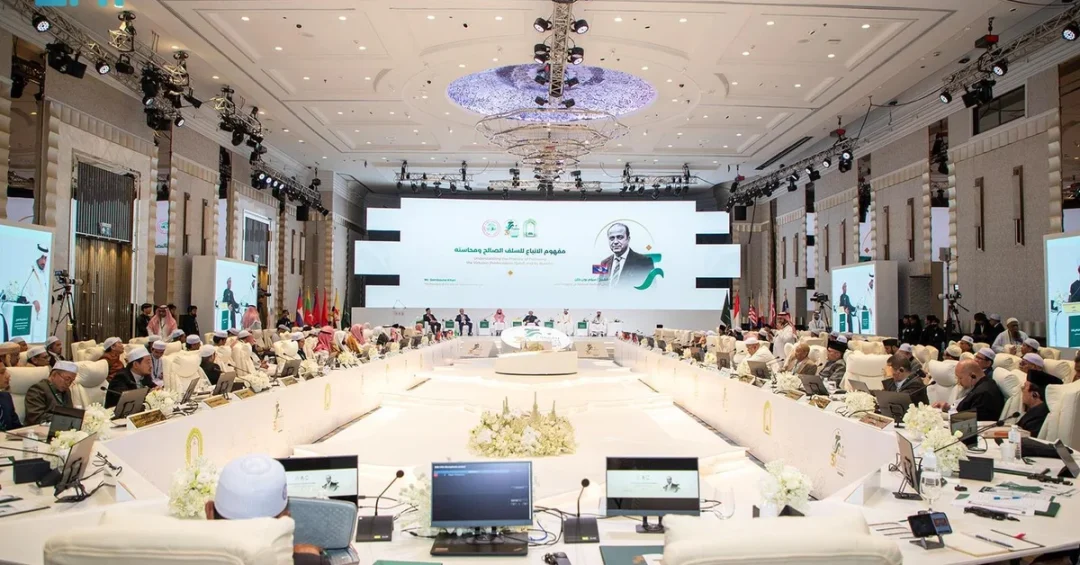
The third session of the Association of Southeast Asian Nations (ASEAN) ‘Khair Ummah’ Conference commenced today in Bangkok, organized by the Ministry of Islamic Affairs, Dawah and Guidance of the Kingdom of Saudi Arabia. The two-day conference brings together ministers, muftis, and heads of Islamic universities, centers, and associations, alongside religious and cultural leaders from ASEAN member states to discuss enhancing Islamic values and strengthening communication between Islamic institutions.
Context and Background
The ‘Khair Ummah’ Conference is a flagship initiative under the patronage of the Saudi Ministry of Islamic Affairs, Dawah and Guidance, aimed at fostering interfaith dialogue and promoting moderate Islamic principles. This third edition builds on previous gatherings in 2023 and 2024, reflecting Saudi Arabia’s ongoing commitment to supporting Islamic unity and cultural exchange within the ASEAN region. The conference aligns with the Kingdom’s role as a global leader in Islamic affairs, leveraging its historical significance as the birthplace of Islam.
Key Details
Delegates at the conference will address topics centered on enhancing Islamic values and improving communication between Islamic institutions. The participation of high-level officials, including ministers and muftis, underscores the importance of the event in shaping regional religious discourse. The conference is hosted in Bangkok, Thailand, a key ASEAN member, highlighting the collaborative spirit between Saudi Arabia and Southeast Asian nations.
Implications and Impact
This conference reinforces Saudi Arabia’s diplomatic and religious engagement with ASEAN countries, which are home to significant Muslim populations. By promoting moderate Islamic teachings and fostering dialogue, the Kingdom contributes to regional stability and mutual understanding. The event also strengthens bilateral ties with ASEAN members, supporting broader economic and cultural cooperation under the framework of Vision 2030’s outward-looking policies.
Vision 2030 Alignment
The ‘Khair Ummah’ Conference directly supports Saudi Vision 2030 by enhancing the Kingdom’s global role in Islamic affairs and promoting cultural exchange. It reflects the vision’s goal of building a vibrant society with strong religious and cultural foundations, while also fostering international partnerships that drive economic and social progress.
20 Questions
Q1. What is the ASEAN ‘Khair Ummah’ Conference?
A1. The ASEAN ‘Khair Ummah’ Conference is a gathering organized by the Saudi Ministry of Islamic Affairs, Dawah and Guidance, focusing on enhancing Islamic values and communication between Islamic institutions in Southeast Asia.
Q2. When did the third session of the conference begin?
A2. The third session of the conference commenced on January 25, 2025, in Bangkok, Thailand, and is scheduled to run for two days.
Q3. Who organized the conference?
A3. The conference was organized by the Ministry of Islamic Affairs, Dawah and Guidance of the Kingdom of Saudi Arabia.
Q4. Where is the conference being held?
A4. The conference is taking place in Bangkok, the capital city of Thailand, a member state of the Association of Southeast Asian Nations.
Q5. Who are the participants of the conference?
A5. Participants include several ministers, muftis, heads of Islamic universities, centers, and associations, as well as religious and cultural leaders from ASEAN member states.
Q6. What is the main goal of the conference?
A6. The main goal is to enhance Islamic values and improve communication between Islamic institutions across ASEAN countries.
Q7. Why is the conference called ‘Khair Ummah’?
A7. ‘Khair Ummah’ means ‘the best community’ in Arabic, reflecting the conference’s aim to promote the best Islamic practices and unity among Muslims.
Q8. How does this conference benefit ASEAN member states?
A8. It provides a platform for dialogue on Islamic values, helping to foster moderate religious discourse and cultural cooperation among ASEAN nations.
Q9. What role does Saudi Arabia play in this conference?
A9. Saudi Arabia, through its Ministry of Islamic Affairs, organizes and sponsors the conference, demonstrating its leadership in Islamic affairs and commitment to global religious dialogue.
Q10. Is this the first edition of the conference?
A10. No, this is the third edition, following successful sessions in previous years, indicating growing interest and impact in the region.
Q11. What topics are being discussed?
A11. Topics relate to enhancing Islamic values and improving communication between Islamic institutions, promoting moderation and cultural exchange.
Q12. How does the conference relate to Saudi Vision 2030?
A12. It aligns with Vision 2030 by strengthening Saudi Arabia’s global role in Islamic affairs and fostering international partnerships that support cultural and economic growth.
Q13. Which Saudi ministry is involved?
A13. The Ministry of Islamic Affairs, Dawah and Guidance is the key Saudi entity organizing and leading the conference.
Q14. How many days does the conference last?
A14. The conference is a two-day event, starting on January 25, 2025.
Q15. What is the significance of holding the conference in Bangkok?
A15. Bangkok is a major ASEAN hub, allowing for broad participation from member states and highlighting the collaborative relationship between Saudi Arabia and Southeast Asia.
Q16. Does the conference include non-ASEAN partners?
A16. The primary focus is on ASEAN member states, but Saudi Arabia’s involvement brings a global perspective to the discussions.
Q17. How does the conference promote moderate Islam?
A17. By focusing on enhancing Islamic values and communication, the conference encourages dialogue based on moderation and mutual respect among diverse Islamic communities.
Q18. What is the Saudi Press Agency’s role?
A18. The Saudi Press Agency (SPA) reported on the conference’s commencement, providing official coverage and ensuring transparency about the event.
Q19. Are there any expected outcomes from the conference?
A19. Expected outcomes include strengthened ties between Islamic institutions in ASEAN, increased cooperation on religious education, and shared initiatives to promote Islamic values.
Q20. Why is this conference important for the Muslim world?
A20. It reinforces Saudi Arabia’s role in guiding Islamic discourse, fostering unity among diverse Muslim communities in Southeast Asia, and supporting the global vision of a cohesive Ummah.
Reader Feedback
We value your thoughts. Please share your feedback on this article.
Your feedback helps us improve our coverage.