


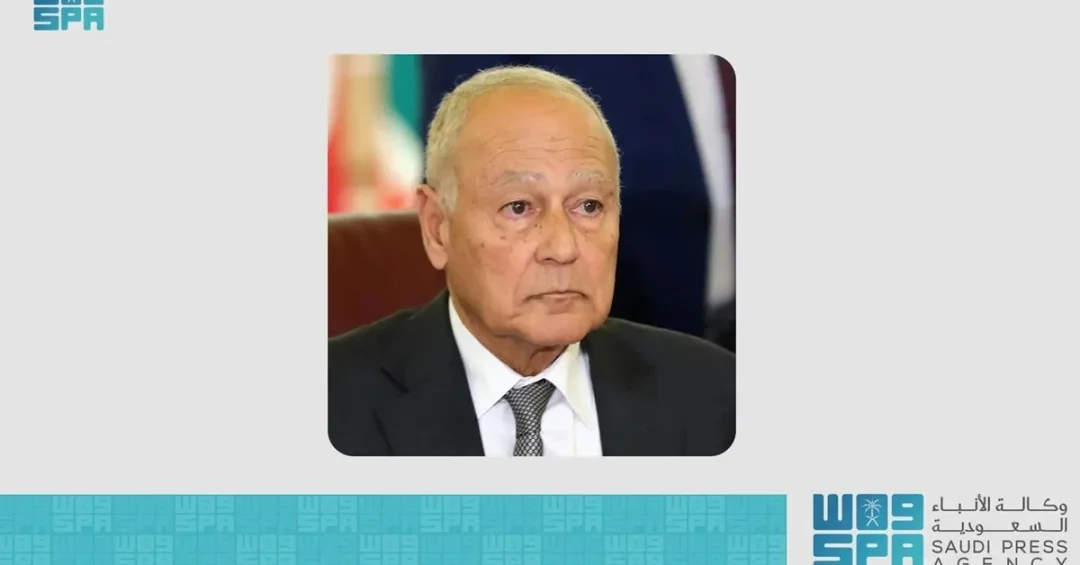
The Arab League has strongly condemned the recent attack on a Saudi hospital in El Fasher, Sudan, which resulted in the deaths of innocent civilians, as well as the arson of the Al-Jaili oil refinery north of Khartoum. Secretary General Ahmed Aboul Gheit issued a statement on January 26, 2025, denouncing these actions as blatant violations of international and humanitarian law. The condemnation underscores the Arab League’s commitment to protecting civilians and vital infrastructure amid ongoing conflict in Sudan.
Context and Background
The attack on the Saudi hospital in El Fasher, a facility providing critical medical care in the Darfur region, represents a grave breach of medical neutrality and international humanitarian law. Hospitals and medical personnel are entitled to special protection under the Geneva Conventions, and any attack on such facilities is considered a war crime. Similarly, the arson at the Al-Jaili oil refinery, a key energy infrastructure asset, threatens to worsen Sudan’s already fragile economic situation and disrupt essential fuel supplies for civilians. These incidents occur within the broader context of the conflict between the Sudanese Armed Forces and the Rapid Support Forces, which began in April 2023.
Key Details
Secretary General Aboul Gheit emphasized the need for all parties to adhere to the Jeddah Declaration for Ceasefire and Humanitarian Arrangements, signed in May 2023. This declaration explicitly calls for the protection of public facilities, including medical centers, hospitals, and water and electricity infrastructure, and prohibits their use for military purposes. The Arab League’s statement serves as a reminder of the international community’s expectations for compliance with humanitarian norms. Saudi Arabia, a key mediator in the Sudan conflict, has consistently advocated for de-escalation and the protection of civilians, and its hospital in El Fasher is a testament to its humanitarian commitment in the region.
Implications and Impact
The attacks have immediate and long-term implications for Sudan. The targeting of a Saudi-run medical facility undermines international humanitarian efforts and could deter other nations from providing aid in conflict zones. The destruction of the Al-Jaili refinery exacerbates economic hardship, driving up fuel prices and disrupting daily life for millions of Sudanese citizens. Regionally, these actions threaten to further destabilize an already volatile area, potentially leading to increased displacement and humanitarian crises. The Arab League’s condemnation signals a unified stance among member states, urging restraint and adherence to international law. It also highlights the need for renewed diplomatic efforts to achieve a sustainable ceasefire.
20 Questions
Q1. What did the Arab League condemn regarding Sudan?
A1. The Arab League condemned the attack on the Saudi hospital in El Fasher and the arson of the Al-Jaili oil refinery, both in Sudan, as violations of international and humanitarian law.
Q2. Who issued the condemnation?
A2. Arab League Secretary General Ahmed Aboul Gheit issued the condemnation on January 26, 2025, through an official statement.
Q3. Where is the Saudi hospital located?
A3. The Saudi hospital is located in El Fasher, a city in the Darfur region of Sudan.
Q4. What happened at the Al-Jaili oil refinery?
A4. The Al-Jaili oil refinery, located north of Khartoum, was set on fire in an arson attack, damaging vital civilian infrastructure.
Q5. Why is the attack on the hospital significant?
A5. The attack claimed innocent civilian lives and violates international humanitarian law, which specifically protects medical facilities during conflict.
Q6. What is the Jeddah Declaration?
A6. The Jeddah Declaration is a ceasefire and humanitarian agreement signed in May 2023, calling for the protection of public facilities and prohibiting their military use.
Q7. How does the arson affect Sudan’s economy?
A7. The arson worsens Sudan’s dire economic conditions by disrupting fuel supplies, increasing prices, and deepening the suffering of the Sudanese people.
Q8. What is Saudi Arabia’s role in the Sudan conflict?
A8. Saudi Arabia has been a key mediator, hosting talks in Jeddah and providing humanitarian aid, including the Saudi hospital in El Fasher.
Q9. What international laws were violated?
A9. The attacks violated international humanitarian law and the Geneva Conventions, which protect civilians and civilian infrastructure during armed conflict.
Q10. How did the Arab League describe the attack on the hospital?
A10. The Arab League described it as a blatant violation of international and humanitarian law, targeting innocent civilians.
Q11. What is the significance of the hospital being Saudi-run?
A11. The hospital reflects Saudi Arabia’s humanitarian commitment in Sudan, and its targeting undermines international aid efforts in conflict zones.
Q12. What is the broader conflict in Sudan?
A12. The conflict involves the Sudanese Armed Forces and the Rapid Support Forces, which began in April 2023, leading to widespread violence and displacement.
Q13. How does the Arab League’s statement aim to help?
A13. The statement urges all parties to comply with the Jeddah Declaration and reaffirms the League’s commitment to protecting civilians and infrastructure.
Q14. What is Al-Jaili oil refinery’s importance?
A14. It is a key energy infrastructure asset in Sudan, providing fuel for transportation and industry, and its destruction exacerbates economic hardship.
Q15. Can the attacks be considered war crimes?
A15. Yes, targeting medical facilities and civilian infrastructure can be considered war crimes under international humanitarian law.
Q16. What is the role of the international community?
A16. The international community is called upon to support humanitarian efforts and press for compliance with ceasefire agreements and international law.
Q17. How does this affect civilian safety?
A17. The attacks endanger civilians by destroying healthcare and energy resources, increasing risks of displacement and health crises.
Q18. What is the Arab League’s stance on Sudan?
A18. The League supports a unified Arab position for peace, condemning violence and advocating for the protection of civilians and infrastructure.
Q19. Has Saudi Arabia responded to the attack?
A19. Saudi Arabia, through official channels, has not directly responded, but its humanitarian role in Sudan remains active despite such incidents.
Q20. What is the next step for Arab League?
A20. The Arab League will likely continue diplomatic efforts to enforce the Jeddah Declaration and coordinate humanitarian aid with member states.
Vision 2030 Alignment
This incident reinforces Saudi Arabia’s Vision 2030 goals of promoting regional stability and global humanitarian cooperation. By condemning attacks on its hospital and infrastructure, the Kingdom demonstrates its leadership in protecting civilian life and enabling peaceful development. Saudi Arabia’s mediation in Sudan and support for the Jeddah Declaration align with its strategic objective of fostering secure, prosperous communities across the region. As Vision 2030 continues to shape the Kingdom’s foreign policy, such actions affirm the nation’s role as a hub for diplomacy and humanitarian aid, contributing to a more stable and cooperative Middle East.
Reader Feedback
We value your thoughts. Please share your feedback on this article.
Your feedback helps us improve our coverage.