


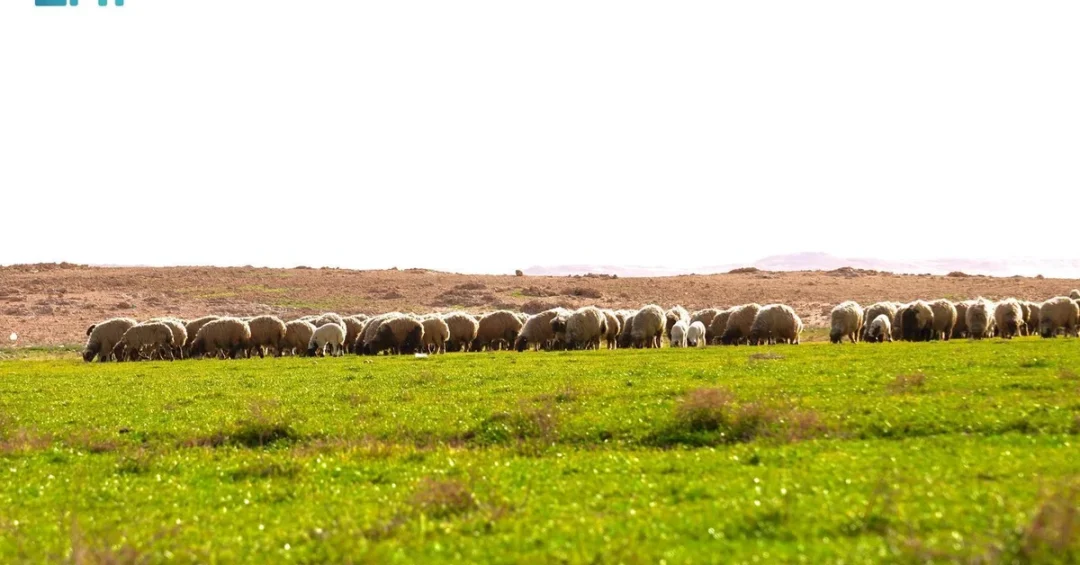
The lush pastures east of the historic village of Zubala, south of Rafha Governorate, are attracting livestock breeders and tourists alike. This seasonal transformation, driven by recent rains, has turned the area into a vibrant hub for sheep farming and ecotourism, as reported by the Saudi Press Agency (SPA).
Context and Background
Zubala was a key stop on the ancient Zubaydah Trail, a historic pilgrimage route connecting Iraq to Makkah. The village’s preserved monuments now complement its natural beauty, making it a destination for both cultural heritage and outdoor recreation. The spring rains each year regenerate the pastures, providing abundant forage for livestock.
Key Details
The flourishing vegetation reduces feed costs for sheep breeders, enhancing milk and meat production and boosting the local economy. Families and hikers flock to the area to enjoy the rural scenery, where grazing sheep set against historical landmarks create a unique experience. The village’s monuments offer insights into its role as a vital station on the Zubaydah pilgrimage trail.
Implications and Impact
This seasonal cycle supports sustainable agriculture and rural tourism, aligning with Saudi Arabia’s goals to diversify the economy and promote heritage sites. The integration of livestock farming with tourism helps preserve traditional practices while providing economic opportunities for local communities.
Vision 2030 Alignment
Zubala’s flourishing pastures exemplify Saudi Arabia’s commitment to sustainable rural development and heritage tourism under Vision 2030. By enhancing agricultural productivity and attracting visitors to historical sites, the Kingdom fosters economic growth while preserving its cultural and natural assets for future generations.
20 Questions
Q1. What is Zubala?
A1. Zubala is a historic village in northern Saudi Arabia, south of Rafha Governorate, known for its role as a stop on the ancient Zubaydah pilgrimage trail.
Q2. Where is Zubala located?
A2. Zubala is located east of the historic village of Zubala, south of Rafha Governorate, in the Northern Borders Region of Saudi Arabia.
Q3. Why are the pastures near Zubala flourishing?
A3. The pastures are flourishing due to seasonal rains that have brought lush vegetation, creating ideal grazing conditions for sheep.
Q4. How does this benefit sheep breeders?
A4. The abundant forage reduces feed costs and enhances milk and meat production, boosting the profitability of sheep farming and supporting the local economy.
Q5. What historical significance does Zubala hold?
A5. Zubala was an important stop on the Zubaydah Trail, a historic pilgrimage route used by travelers from Iraq to Makkah.
Q6. What is the Zubaydah Trail?
A6. The Zubaydah Trail is an ancient pilgrimage route linking Kufa in Iraq to Makkah, featuring wells and rest stops built under the patronage of Zubaydah bint Ja’far.
Q7. How does the spring season affect Zubala?
A7. Spring transforms Zubala into a haven for sheep farmers and a scenic destination for tourists, with lush greenery and grazing livestock.
Q8. What economic impact do the pastures have?
A8. The pastures reduce feed costs for breeders, increase livestock productivity, and attract tourists, thereby boosting the local economy through agriculture and ecotourism.
Q9. Who visits Zubala during spring?
A9. Families, hikers, and tourists seeking rural scenery and historical experiences visit Zubala during spring.
Q10. What attractions does Zubala offer?
A10. Zubala offers preserved historical monuments from the Zubaydah Trail, combined with natural landscapes of grazing sheep and verdant fields.
Q11. How does Zubala support tourism?
A11. The village’s historical landmarks and seasonal pastures create a unique tourist experience, promoting heritage and ecotourism in Saudi Arabia.
Q12. What role does the Saudi Press Agency play?
A12. The Saudi Press Agency reported on Zubala’s flourishing pastures, highlighting the positive impact of seasonal rains on livestock and tourism.
Q13. How does this relate to Vision 2030?
A13. Zubala’s development supports Vision 2030 goals by promoting sustainable agriculture, rural tourism, and preservation of cultural heritage.
Q14. What is the Zubaydah Trail’s cultural importance?
A14. The trail is a UNESCO-listed heritage site symbolizing centuries of pilgrimage, trade, and cultural exchange in the Islamic world.
Q15. How does Zubala preserve its heritage?
A15. Zubala maintains its preserved monuments, offering visitors a glimpse into its past as a vital station, while integrating modern tourism.
Q16. What activities can tourists enjoy in Zubala?
A16. Tourists can enjoy hiking, picnicking, photography, and exploring historical ruins, all while observing sheep grazing in natural pastures.
Q17. How does seasonal rain affect the region?
A17. Seasonal rain regenerates vegetation, supporting livestock grazing and enhancing the aesthetic appeal for tourists across northern Saudi Arabia.
Q18. What is the economic benefit of reduced feed costs?
A18. Lower feed costs increase profit margins for breeders, allowing them to invest in better livestock care and expand their operations sustainably.
Q19. How does Zubala contribute to local employment?
A19. The combination of farming and tourism creates seasonal jobs in shepherding, guiding, hospitality, and conservation for local residents.
Q20. What future developments are planned for Zubala?
A20. While no specific plans are mentioned, the area’s alignment with Vision 2030 suggests potential for enhanced tourism infrastructure and sustainable farming initiatives.
Reader Feedback
We value your thoughts. Please share your feedback on this article.
Your feedback helps us improve our coverage.