


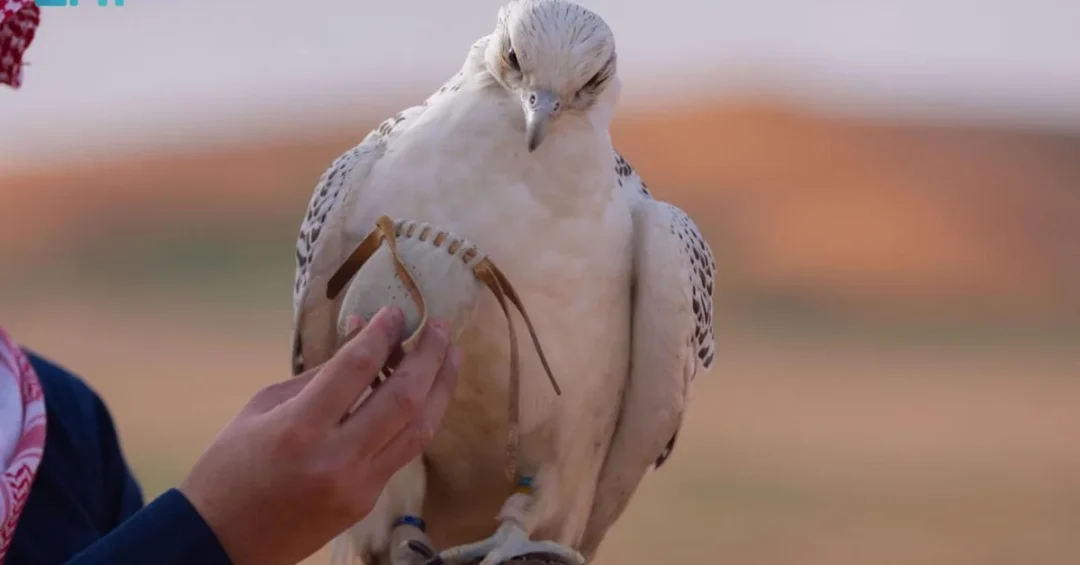
The Imam Turki bin Abdullah Royal Reserve Development Authority has established the Northern Reserve for Sustainable Hunting in Rafha, Saudi Arabia, to regulate hunting activities under strict environmental controls. This initiative, announced by the Saudi Press Agency on February 8, 2025, aims to balance the revival of national heritage with wildlife preservation, ensuring the continuity of sustainable hunting for future generations.
Context and Background
Hunting with falcons and dogs is one of the oldest traditions in Saudi heritage, deeply intertwined with identity and passed down through generations. This practice remains cherished by nature enthusiasts and adventurers. However, to maintain ecological equilibrium, the Northern Reserve for Sustainable Hunting implements regulations that prioritize environmental sustainability, limiting overhunting and promoting the sustainability of natural resources.
Key Details
The authority has established equipped camps designed to meet the needs of sustainable hunting enthusiasts, providing a safe environment aligned with the principles of this hobby. Regulations regarding allowable prey are determined by carefully considered seasons aimed at maintaining the ecosystem and preserving biodiversity. Hunting enthusiasts use trained falcons or adhere to traditional methods within structured systems that uphold sustainable hunting standards.
Implications and Impact
This initiative reinforces sustainable hunting practices and raises awareness about environmental balance. By integrating cultural heritage with modern conservation, the Northern Reserve serves as a model for responsible hunting that supports local communities and protects wildlife. It also enhances Saudi Arabia’s global reputation as a leader in environmental stewardship.
Vision 2030 Alignment
The Northern Reserve for Sustainable Hunting aligns with Saudi Vision 2030’s goals of preserving natural resources, promoting sustainable tourism, and safeguarding cultural heritage. By fostering a balance between tradition and environmental responsibility, the initiative contributes to the Kingdom’s long-term vision of a vibrant society and a thriving economy.
20 Questions
Q1. What is the Northern Reserve for Sustainable Hunting?
A1. It is a regulated hunting area established by the Imam Turki bin Abdullah Royal Reserve Development Authority in Rafha, Saudi Arabia, to promote sustainable hunting practices while preserving wildlife and cultural heritage.
Q2. Who announced the establishment of the reserve?
A2. The Saudi Press Agency (SPA) announced the establishment of the Northern Reserve for Sustainable Hunting on February 8, 2025.
Q3. Why was the Northern Reserve created?
A3. It was created to balance the revival of traditional hunting heritage with environmental sustainability, controlling overhunting and preserving biodiversity.
Q4. What traditional hunting methods are regulated in the reserve?
A4. Hunting with trained falcons and dogs, which are centuries-old traditions in Saudi culture, are regulated under strict environmental controls.
Q5. How does the reserve ensure environmental balance?
A5. It limits overhunting, determines allowable prey based on seasons, and provides equipped camps that align with sustainability principles.
Q6. What facilities does the reserve offer to hunters?
A6. Equipped camps are set up to meet the needs of sustainable hunting enthusiasts, ensuring a safe and environmentally responsible experience.
Q7. How are hunting seasons determined?
A7. Seasons are carefully considered to maintain the ecosystem and preserve biodiversity, aligning with scientific and environmental standards.
Q8. What role does the Imam Turki bin Abdullah Royal Reserve Development Authority play?
A8. The authority regulates sustainable hunting activities, enforces environmental controls, and provides infrastructure to support responsible hunting.
Q9. How does hunting contribute to Saudi heritage?
A9. Hunting is a traditional skill passed down through generations, reflecting Saudi identity and cultural heritage.
Q10. What are the penalties for violating hunting regulations?
A10. While not specified, regulations are enforced to ensure compliance with sustainability standards and protect wildlife.
Q11. Can international tourists participate in hunting in the reserve?
A11. The reserve is open to hunting enthusiasts, likely including tourists, under the same strict environmental regulations.
Q12. What species are allowed for hunting?
A12. Allowable prey is determined by season and species, following ecological guidelines to maintain biodiversity.
Q13. How does the reserve raise awareness about sustainability?
A13. Through educational programs and the reserve’s operational model, it promotes the importance of environmental balance among hunters and the public.
Q14. How does this initiative support Saudi Vision 2030?
A14. It aligns with Vision 2030 by preserving natural resources, promoting sustainable tourism, and safeguarding cultural heritage.
Q15. What is the significance of Rafha as the location?
A15. Rafha is in the northern region, rich in biodiversity and traditional hunting practices, making it ideal for a sustainable reserve.
Q16. Are there any similar reserves in Saudi Arabia?
A16. The Imam Turki bin Abdullah Royal Reserve itself includes multiple zones, but the Northern Reserve is specifically focused on sustainable hunting.
A17. The reserve directly impacts local communities by promoting ecotourism and providing regulated hunting opportunities.
Q18. How does the reserve prevent overhunting?
A18. Strict controls, limited seasons, and designated prey species prevent overhunting and ensure long-term resource sustainability.
Q19. What feedback has been received from hunting enthusiasts?
A19. The initiative is expected to be well-received as it combines heritage preservation with modern conservation practices.
Q20. What does the future hold for the Northern Reserve?
A20. The reserve is a model for sustainable hunting, likely to be expanded or replicated across Saudi Arabia as part of Vision 2030 environmental goals.
Reader Feedback
We value your thoughts. Please share your feedback on this article.
Your feedback helps us improve our coverage.