


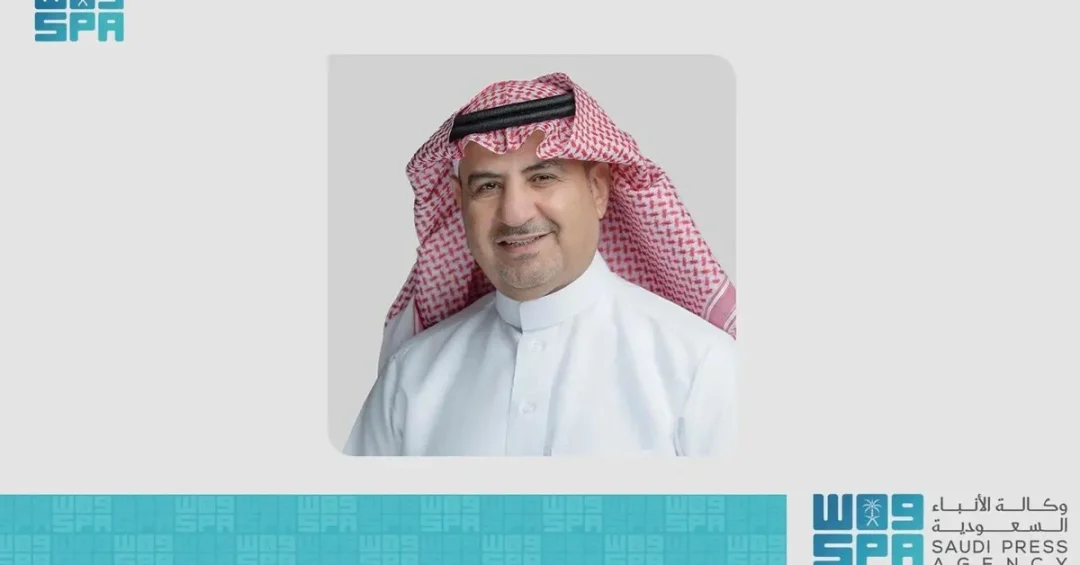
Vice Minister for Mining Affairs at the Ministry of Industry and Mineral Resources Khalid Al-Mudaifer called for urgent global collaboration to expand mineral infrastructure corridors across Africa during Mining Indaba 2025 in Cape Town, South Africa, on February 9, 2025. Speaking at the premier mining conference, Al-Mudaifer emphasized the critical role of infrastructure in securing minerals essential for the global energy transition and highlighted the Lobito Corridor as a successful model for unlocking Africa’s mineral potential.
Context and Background
The call comes as global demand for critical minerals rises, driven by the energy transition and the need for electric vehicle batteries, renewable energy storage, and other clean energy technologies. Africa holds vast reserves of these minerals, but inadequate infrastructure has hindered development. The Lobito Corridor, a strategic transport link connecting Angola, the Democratic Republic of the Congo, and Zambia, has demonstrated how investment in logistics can accelerate mineral trade and regional development.
Key Details
Al-Mudaifer noted that five of the seven mineral corridors identified at the fourth Future Minerals Forum’s (FMF) Ministerial Roundtable are in Africa, underscoring the continent’s pivotal role in global supply chains. “These mineral corridors will be our top priority for fostering development through infrastructure and ensuring a secure and timely supply of the minerals essential for the energy transition,” he said. Saudi Arabia, through FMF, has committed to supporting African mining via investment, knowledge-sharing, and partnerships. Initiatives include nine Centers of Excellence in Africa and Asia for technical training, an International Critical Minerals Framework to empower supplier nations, and extended investment in mineral infrastructure corridors.
Implications and Impact
Al-Mudaifer urged international financial institutions and multilateral organizations to unlock investments in Africa’s mining infrastructure, stressing that successful corridors like Lobito strengthen global supply chains. He met with government and private sector representatives to explore strategies for strengthening the African alliance on minerals. “The energy transition requires bold action, and Africa holds the key. We must ensure that mineral-rich nations benefit from the industry’s growth while securing a stable supply for the world,” he added. This collaboration aims to create a secure, responsible, and equitable supply of critical minerals.
Vision 2030 Alignment
Saudi Arabia’s engagement in Africa’s mineral infrastructure aligns with Vision 2030’s goals of economic diversification and global partnership. By fostering mineral supply chain resilience and investing in African mining, the Kingdom positions itself as a key player in the global energy transition while supporting sustainable development across the continent, reinforcing its role as a bridge between resource-rich regions and international markets.
20 Questions
Q1. What is the Lobito Corridor?
A1. The Lobito Corridor is a strategic mineral transport route connecting Angola, the Democratic Republic of the Congo, and Zambia, facilitating mineral trade and development across the region.
Q2. Why did Vice Minister Al-Mudaifer call for collaboration?
A2. He urged global collaboration to expand mineral infrastructure corridors in Africa, essential for securing critical minerals needed for the global energy transition.
Q3. How many mineral corridors are in Africa according to FMF?
A3. Five of the seven mineral corridors identified at the fourth Future Minerals Forum’s Ministerial Roundtable are located in Africa.
Q4. What is the Future Minerals Forum?
A4. The Future Minerals Forum (FMF) is a Saudi-led platform driving global collaboration in the mining sector, focusing on critical minerals, regional infrastructure, and sustainability.
Q5. What initiatives has FMF launched for Africa?
A5. FMF launched nine Centers of Excellence for technical training, an International Critical Minerals Framework to empower supplier nations, and investment in mineral corridors.
Q6. Where were the Centers of Excellence established?
A6. The nine Centers of Excellence were established across Africa and Asia to build technical capacity and train young talent.
Q7. What is the International Critical Minerals Framework?
A7. It is a framework to empower supplier nations in the global critical minerals supply chain, ensuring equitable and sustainable practices.
Q8. Which countries benefit from the Lobito Corridor?
A8. The Lobito Corridor benefits Angola, the Democratic Republic of the Congo, and Zambia by improving mineral transport and trade.
Q9. What is Saudi Arabia’s role in African mining?
A9. Saudi Arabia is committed to supporting African mining through investment, knowledge-sharing, strategic partnerships, and platforms like FMF.
Q10. Why are critical minerals important for the energy transition?
A10. Critical minerals are essential for producing electric vehicle batteries, renewable energy storage, and other clean energy technologies.
Q11. Who did Al-Mudaifer meet at Mining Indaba?
A11. He met with government and private sector representatives to explore strategies for strengthening the African alliance on minerals.
Q12. What did Al-Mudaifer urge international financial institutions to do?
A12. He urged them to unlock investments and funding in Africa’s mining infrastructure to support mineral corridor development.
Q13. How does the Lobito Corridor serve as a model?
A13. It demonstrates how investment in transport and logistics can enhance mineral development, trade, and regional economic growth.
Q14. What is the global energy transition?
A14. The global energy transition refers to the shift from fossil fuels to renewable energy sources to reduce carbon emissions.
Q15. How does Saudi Arabia contribute to Vision 2030 through mining?
A15. By investing in global mineral supply chains and African infrastructure, Saudi Arabia diversifies its economy and strengthens international partnerships.
Q16. What did Al-Mudaifer say about Africa’s role in the energy transition?
A16. He stated that Africa holds the key to the energy transition due to its vast mineral resources and that mineral-rich nations must benefit from industry growth.
Q17. How many corridors were identified at the FMF roundtable?
A17. Seven mineral corridors were identified at the fourth Future Minerals Forum’s Ministerial Roundtable.
Q18. What is the purpose of the FMF Ministerial Roundtable?
A18. It brings together ministers and stakeholders to discuss critical minerals, infrastructure, and sustainable supply chain development.
Q19. What kind of collaboration did Al-Mudaifer call for?
A19. He called for collaboration among governments, investors, and industry leaders to unlock Africa’s mineral wealth responsibly.
Q20. What is the expected outcome of stronger mineral corridors in Africa?
A20. Stronger corridors will secure a stable, timely supply of critical minerals for the global energy transition while boosting African economic development.
Reader Feedback
We value your thoughts. Please share your feedback on this article.
Your feedback helps us improve our coverage.