


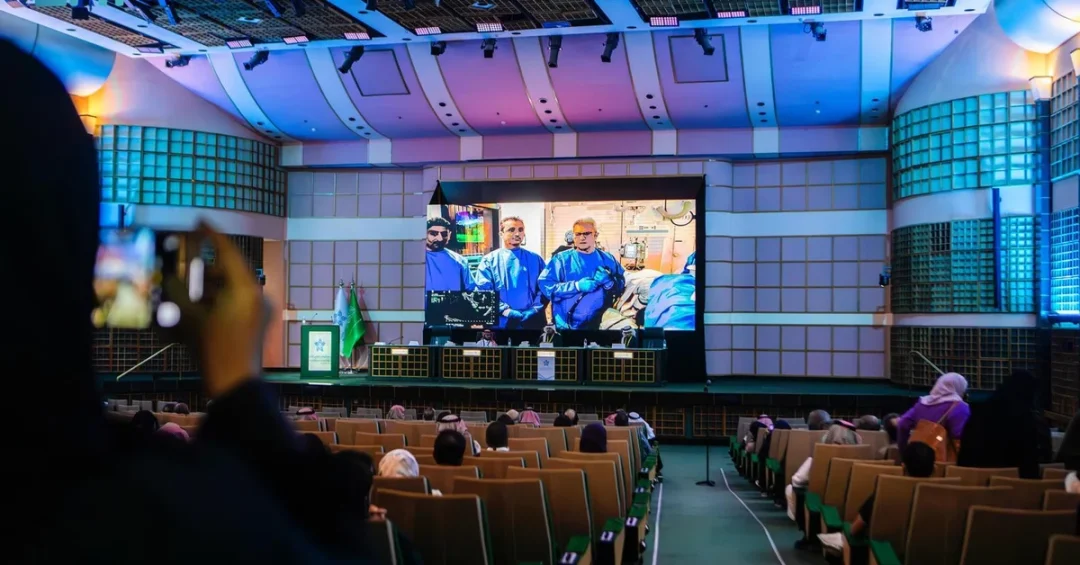
The 8th International Symposium on Live Endoscopy, held in Riyadh from February 13 to 15, 2025, brought together 50 international and local experts to explore the latest advancements in live endoscopy. Organized by the Riyadh Second Health Cluster, the symposium featured interactive discussions, live medical case demonstrations, and specialized workshops, showcasing Saudi Arabia’s commitment to medical innovation and global collaboration.
Context and Background
The symposium marks the eighth edition of a key event in the medical calendar, reflecting Saudi Arabia’s ongoing investment in healthcare as part of its broader modernization efforts. By hosting experts from around the world, the event underscores the Kingdom’s role as a regional hub for medical excellence and knowledge exchange.
Key Details
Dr. Abed Al-Lehibi, head of the symposium’s organizing committee and chief of gastroenterology and endoscopy at King Fahad Medical City, highlighted that the event featured real-time transmission of 60 medical cases. These livestreamed cases were discussed by specialists while procedures were being performed, fostering an immediate exchange of expertise and the integration of cutting-edge medical technologies. The program included in-depth discussions on specialized fields such as pancreatic endoscopy, ultrasound endoscopy, and advanced polyp removal, ensuring the highest standards of medical practice. The Riyadh Second Health Cluster facilitated live broadcasts from King Fahad Medical City’s operating rooms, allowing specialists to actively engage in the latest diagnostic and treatment techniques.
Implications and Impact
The symposium enhances Saudi Arabia’s reputation as a destination for medical tourism and advanced healthcare. By enabling real-time collaboration among experts, the event accelerates the adoption of innovative techniques, benefiting patients both locally and globally. The knowledge shared is expected to improve outcomes in gastroenterology and endoscopy across the region.
Vision 2030 Alignment
This initiative aligns with Vision 2030’s goal of developing a world-class healthcare system. By fostering international partnerships and promoting medical excellence, Saudi Arabia continues to build a vibrant society where citizens and residents have access to the highest quality care, contributing to the Kingdom’s long-term prosperity.
20 Questions
Q1. What was the 8th International Symposium on Live Endoscopy?
A1. It was a three-day medical symposium held in Riyadh from February 13 to 15, 2025, organized by the Riyadh Second Health Cluster, focusing on advancements in live endoscopy.
Q2. How many experts participated in the symposium?
A2. The symposium brought together 50 international and local experts specializing in gastroenterology and endoscopy.
Q3. Who organized the event?
A3. The event was organized by the Riyadh Second Health Cluster, a key healthcare entity in Saudi Arabia.
Q4. What was the role of Dr. Abed Al-Lehibi?
A4. Dr. Abed Al-Lehibi served as head of the symposium’s organizing committee and chief of gastroenterology and endoscopy at King Fahad Medical City.
Q5. How many medical cases were transmitted in real time?
A5. A total of 60 medical cases were transmitted in real time during the symposium.
Q6. What were the live broadcasts used for?
A6. The live broadcasts allowed specialists to discuss procedures as they were performed, facilitating immediate exchange of expertise.
Q7. Which hospital provided the live broadcasts?
A7. The live broadcasts were transmitted from operating rooms at King Fahad Medical City.
Q8. What specialized fields were discussed at the symposium?
A8. The symposium covered pancreatic endoscopy, ultrasound endoscopy, and advanced polyp removal, among other topics.
Q9. How did the symposium ensure high medical standards?
A9. By focusing on cutting-edge technologies and interactive learning, the symposium promoted best practices in endoscopy.
Q10. What is the significance of the symposium for Saudi Arabia?
A10. It highlights Saudi Arabia’s commitment to medical innovation and its role as a hub for global healthcare collaboration.
Q11. How does the symposium support Vision 2030?
A11. It aligns with Vision 2030’s goal of developing a world-class healthcare system through international partnerships.
Q12. What is live endoscopy?
A12. Live endoscopy involves real-time transmission of endoscopic procedures for educational and collaborative purposes.
Q13. Who benefited from the symposium?
A13. Medical professionals gained hands-on insights, ultimately benefiting patients through improved diagnostic and treatment techniques.
Q14. Was the symposium open to international participation?
A14. Yes, the symposium featured both international and local experts, fostering global knowledge exchange.
Q15. What technologies were highlighted at the event?
A15. The event showcased the latest in endoscopic technology, including advanced imaging and therapeutic devices.
Q16. How did the symposium facilitate immediate expertise exchange?
A16. Through real-time case discussions during live procedures, allowing instant feedback and learning.
Q17. What role did the Riyadh Second Health Cluster play?
A17. It organized the symposium and facilitated live broadcasts from King Fahad Medical City’s operating rooms.
Q18. Is this the first such symposium?
A18. No, it was the 8th edition, indicating a sustained commitment to advancing endoscopy education.
A19. The symposium enhances Saudi Arabia’s reputation as a destination for medical tourism and advanced healthcare.
Q20. What are the expected outcomes of the symposium?
A20. The knowledge shared is expected to improve medical practices and patient outcomes in gastroenterology regionally and globally.
Reader Feedback
We value your thoughts. Please share your feedback on this article.
Your feedback helps us improve our coverage.