


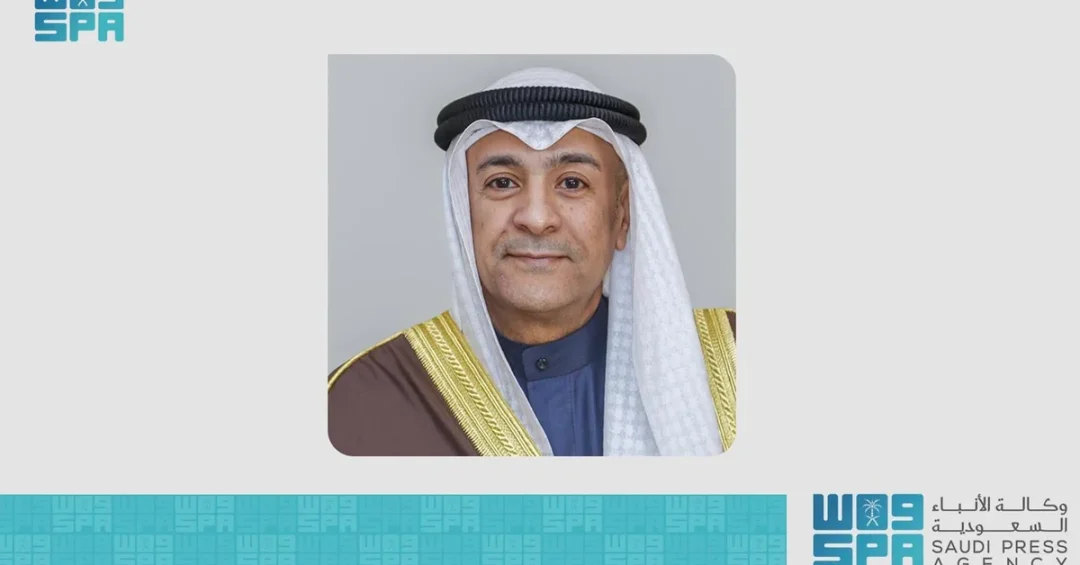
Secretary General of the Gulf Cooperation Council (GCC) Jasem Albudaiwi met with World Food Programme (WFP) Executive Director Cindy Hensley McCain on February 15, 2025, on the sidelines of the 61st Munich Security Conference in Germany. The meeting focused on strengthening cooperation in food security and humanitarian aid amid rising regional and global crises.
Context and Background
The meeting took place as global hunger and food insecurity continue to escalate due to conflicts, climate change, and economic disruptions. The GCC and WFP have long collaborated on humanitarian efforts, with GCC countries being among the largest donors to the WFP. This engagement underscores the GCC’s commitment to addressing food security as a strategic priority.
Key Details
During the discussions, Albudaiwi and McCain reviewed WFP initiatives such as the “Changing Lives” program, which aims to improve living conditions for the most vulnerable populations. They explored ways to enhance collaboration between the GCC and WFP, emphasizing the need for coordinated global efforts to deliver humanitarian and relief assistance effectively. Albudaiwi commended the WFP’s vital role in urgent aid delivery and reaffirmed the GCC’s support for all food security initiatives. McCain acknowledged the significant contributions of GCC countries to humanitarian challenges regionally and internationally.
Implications and Impact
The meeting reinforces the GCC’s role as a key partner in global humanitarian efforts. By strengthening ties with the WFP, the GCC can help improve aid delivery mechanisms and address food insecurity in conflict-affected regions such as Yemen, Sudan, and Gaza. This collaboration also supports stability and development in the Middle East and beyond.
Vision 2030 Alignment
Saudi Arabia, as a leading GCC member, aligns its humanitarian efforts with Vision 2030 goals of fostering global partnerships and sustainable development. By supporting initiatives like Changing Lives, the Kingdom contributes to food security and resilience, reinforcing its role as a responsible global actor committed to long-term stability and prosperity.
20 Questions
Q1. Who met with the WFP Executive Director at the Munich Security Conference?
A1. GCC Secretary General Jasem Albudaiwi met with WFP Executive Director Cindy Hensley McCain on February 15, 2025, during the Munich Security Conference.
Q2. What was the main topic of discussion between the GCC Secretary General and the WFP Executive Director?
A2. They discussed enhancing cooperation in food security and humanitarian aid, focusing on initiatives to combat hunger and improve aid delivery.
Q3. Where did the meeting take place?
A3. The meeting occurred on the sidelines of the 61st Munich Security Conference in Germany.
Q4. What is the “Changing Lives” initiative mentioned in the meeting?
A4. The Changing Lives initiative is a WFP program designed to improve living conditions for the most vulnerable populations affected by food insecurity.
Q5. How did the GCC Secretary General view the WFP’s role?
A5. Albudaiwi commended the WFP for its vital role in delivering urgent humanitarian assistance to those in need.
Q6. What acknowledgment did the WFP Executive Director make?
A6. McCain acknowledged the significant and invaluable contributions of GCC countries to addressing regional and international humanitarian challenges.
Q7. Why is food security a priority for the GCC?
A7. Food security is critical due to escalating regional and global crises, including conflicts and climate change, that threaten food supplies.
Q8. How does the meeting relate to the Munich Security Conference?
A8. The conference provided a platform for high-level discussions on security issues, including humanitarian and food security challenges.
Q9. What are the goals of the collaboration between the GCC and WFP?
A9. The collaboration aims to improve coordination in delivering humanitarian aid and restore food security in affected regions.
Q10. Which regions could benefit from this GCC-WFP cooperation?
A10. Regions such as Yemen, Sudan, and Gaza, where conflict and hunger are prevalent, could benefit from enhanced aid efforts.
Q11. How does this meeting support Vision 2030?
A11. It aligns with Vision 2030’s goals of global partnership and sustainable development, reinforcing Saudi Arabia’s humanitarian role.
Q12. What is the role of GCC countries in global humanitarian aid?
A12. GCC countries are among the largest donors to humanitarian organizations, including the WFP, providing critical support for food security.
Q13. What challenges in aid delivery were discussed?
A13. They discussed challenges such as ensuring that humanitarian and relief assistance reaches those in need effectively.
Q14. Who is Cindy Hensley McCain?
A14. Cindy Hensley McCain is the Executive Director of the World Food Programme, the UN’s food assistance agency.
Q15. How does the GCC support WFP initiatives?
A15. The GCC supports WFP initiatives through funding, coordination, and diplomatic backing for food security programs.
Q16. What was the date of the meeting?
A16. The meeting took place on February 15, 2025.
Q17. What is the significance of the Munich Security Conference for this meeting?
A17. The conference is a key international forum for discussing security and humanitarian issues, making it an ideal venue for this meeting.
Q18. How did the meeting address global hunger?
A18. The meeting focused on strengthening collaboration to combat hunger and food insecurity through coordinated efforts.
Q19. What is the long-term goal of the GCC-WFP partnership?
A19. The long-term goal is to build resilient food systems and ensure sustainable access to food for vulnerable populations.
Q20. How does this meeting reflect Saudi Arabia’s foreign policy?
A20. It reflects Saudi Arabia’s commitment to humanitarian diplomacy and its leadership in addressing global challenges under Vision 2030.
Reader Feedback
We value your thoughts. Please share your feedback on this article.
Your feedback helps us improve our coverage.