


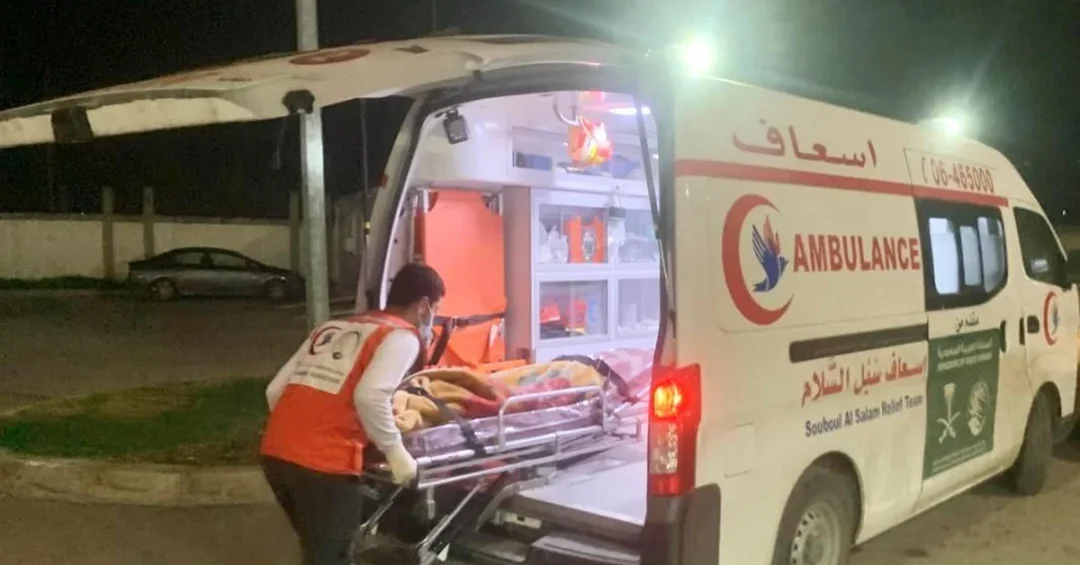
The King Salman Humanitarian Aid and Relief Center (KSrelief) funded 61 emergency medical missions carried out by the Subul Al-Salam Social Association ambulance service in northern Lebanon last week, benefiting Syrian and Palestinian refugees and host community members. According to the Saudi Press Agency (SPA), the missions included patient transport to and from hospitals and treatment of burn injuries in the Miniyeh District, reflecting ongoing Saudi humanitarian engagement in Lebanon.
Context and Background
KSrelief, Saudi Arabia’s flagship humanitarian agency, has supported healthcare and infrastructure projects across Lebanon for years, particularly in areas hosting refugee populations. The ambulance service project in Miniyeh is part of a broader program to strengthen emergency medical transport in underserved communities, aligning with Saudi Arabia’s global humanitarian commitments under Vision 2030. Lebanon continues to face economic and social pressures, with over one million Syrian refugees and a significant Palestinian refugee population, making such support critical.
Key Details
The 61 missions conducted last week involved transporting patients to medical facilities and providing emergency care for burns. The initiative targets both refugees and local residents, ensuring equitable access to emergency services. KSrelief’s funding covers operational costs, vehicle maintenance, and training for ambulance staff, enhancing the capacity of local organizations like Subul Al-Salam. The project also supplements Lebanon’s overstretched healthcare system, which has been strained by prolonged economic crisis.
International and Humanitarian Impact
This assistance underscores Saudi Arabia’s role as a leading humanitarian donor in the region. By focusing on host communities alongside refugees, KSrelief helps reduce tensions and promotes social stability. The project also aligns with international humanitarian principles, providing life-saving services without discrimination. Similar KSrelief initiatives in Lebanon include school rehabilitation, food security programs, and healthcare support, demonstrating a comprehensive approach to crisis response.
Vision 2030 Alignment
These missions directly support Vision 2030’s goal of enhancing Saudi Arabia’s humanitarian leadership globally. By funding efficient, targeted aid in Lebanon, KSrelief embodies the Kingdom’s commitment to regional stability and human dignity. Looking ahead, the success of this ambulance project paves the way for expanded healthcare partnerships, reinforcing Saudi Arabia’s role as a reliable partner in humanitarian action.
20 Questions
Q1. Who funded the ambulance missions in northern Lebanon last week?
A1. The King Salman Humanitarian Aid and Relief Center (KSrelief) funded the missions, as reported by the Saudi Press Agency.
Q2. Which organization carried out the 61 missions?
A2. The ambulance service of the Subul Al-Salam Social Association in the Miniyeh District carried out the missions.
Q3. What types of missions were included?
A3. Missions included transporting patients to and from hospitals and treating burn injuries in the Miniyeh District.
Q4. Who benefited from these ambulance services?
A4. Syrian and Palestinian refugees, as well as members of the host community in Miniyeh, benefited from the services.
Q5. Where is the Miniyeh District located?
A5. Miniyeh District is located in northern Lebanon, within the area covered by the Subul Al-Salam Social Association.
Q6. Is this project part of a larger initiative?
A6. Yes, it is part of a broader project aimed at supporting ambulance services and medical transport in refugee areas and host communities across Lebanon.
Q7. What is KSrelief?
A7. KSrelief is the King Salman Humanitarian Aid and Relief Center, Saudi Arabia’s official humanitarian aid agency, established in 2015.
Q8. Why is Saudi Arabia providing aid to Lebanon?
A8. Saudi Arabia provides aid to Lebanon to support humanitarian needs, promote stability, and fulfill its Vision 2030 goal of global humanitarian leadership.
Q9. How does this project help local healthcare?
A9. It helps by supplementing Lebanon’s overstretched healthcare system, providing emergency transport and care that might otherwise be unavailable.
Q10. How many missions were carried out last week?
A10. A total of 61 missions were carried out last week, according to the Saudi Press Agency.
Q11. What date was the announcement made?
A11. The announcement was made on February 15, 2025, as per the SPA report.
Q12. Does the project only serve refugees?
A12. No, it serves both refugees (Syrian and Palestinian) and the host community in Miniyeh.
Q13. What specific medical treatment was mentioned?
A13. Treatment of burn injuries was specifically mentioned as part of the missions.
Q14. How does KSrelief ensure equitable access?
A14. By funding services for both refugees and host communities, KSrelief ensures no discrimination in access to emergency medical care.
Q15. What other KSrelief projects exist in Lebanon?
A15. KSrelief has supported school rehabilitation, food security programs, and healthcare projects in Lebanon.
Q16. How does this align with Vision 2030?
A16. It aligns by enhancing Saudi Arabia’s humanitarian leadership and contributing to regional stability, a key Vision 2030 goal.
Q17. Who operates the Subul Al-Salam ambulance service?
A17. The Subul Al-Salam Social Association operates the ambulance service, using KSrelief funding.
Q18. What is the duration of the broader project?
A18. The specific duration was not stated, but the project is ongoing to support ambulance services in refugee areas.
Q19. How does this help Lebanon’s economy?
A19. By reducing the burden on Lebanon’s healthcare system, it helps allocate limited resources more efficiently, indirectly supporting economic resilience.
Q20. What is the significance of burn injury treatment?
A20. Burn injuries often require specialized care; providing this treatment in Miniyeh reduces the need for long-distance travel to larger hospitals, saving lives.
Reader Feedback
We value your thoughts. Please share your feedback on this article.
Your feedback helps us improve our coverage.