


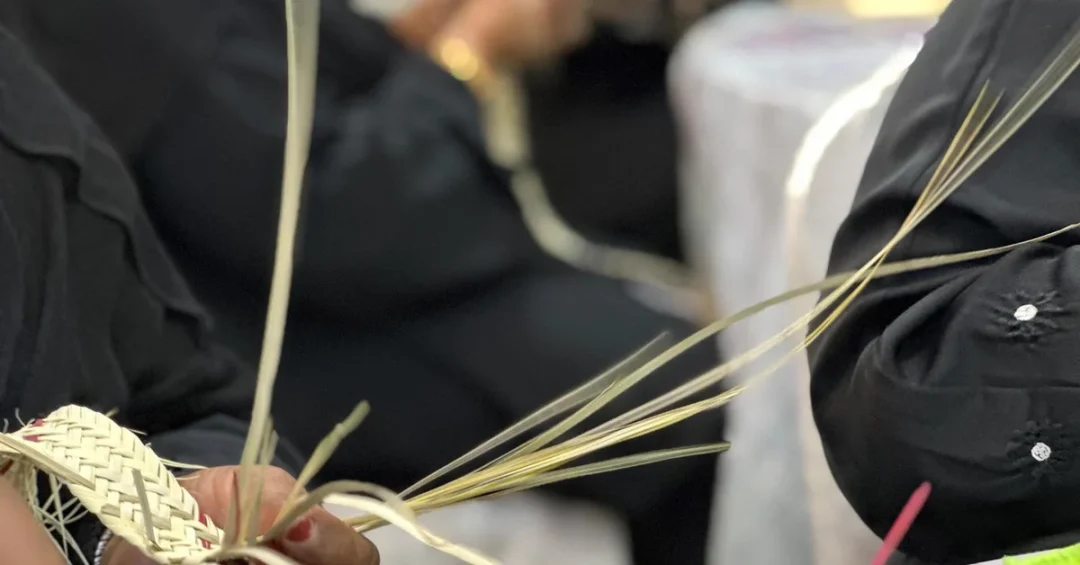
A group of 15 women in Najran is mastering the art of wicker weaving through a training program organized by the Herfa institute of handicrafts, running until August 27, 2024. The month-long course, reported by the Saudi Press Agency, aims to preserve and promote this traditional craft while equipping participants with skills for economic independence.
Context and Background
Wicker weaving has deep roots in Najran, a region in southern Saudi Arabia known for its abundant palm trees. For centuries, locals have used palm fibers to create functional and decorative items. This cultural heritage is experiencing a revival due to government-backed initiatives and growing global demand for sustainable, handmade products.
Key Details
Trainees have honed their skills in producing a variety of wicker products, including baskets, bags, and decorative items. Instructor Masouma Al-Hamdan emphasized the craft’s cultural and economic significance, stating, “We are teaching women the entire process, from harvesting palm fibers to weaving intricate designs.” She added that the goal is to empower these women as entrepreneurs and revitalize this ancient craft.
Implications and Impact
This initiative supports Saudi Arabia’s broader strategy to diversify its economy and promote cultural heritage. By providing women with practical skills and entrepreneurial training, programs like this contribute to local economic development and align with global trends toward sustainability. The resurgence of wicker weaving also preserves traditional knowledge for future generations.
Vision 2030 Alignment
The wicker weaving program in Najran exemplifies the Kingdom’s commitment to Vision 2030, which emphasizes economic diversification, cultural preservation, and women’s empowerment. By enabling women to become skilled artisans and entrepreneurs, the initiative supports the National Transformation Program’s goals of boosting non-oil sectors and enhancing community development. This forward-looking approach ensures that Saudi Arabia’s rich heritage continues to thrive in a modern economy.
20 Questions
Q1. What is the wicker weaving program in Najran?
A1. It is a month-long training course organized by the Herfa institute of handicrafts, teaching 15 women the art of wicker weaving to preserve cultural heritage and promote economic empowerment.
Q2. Who organized the training program?
A2. The Herfa institute of handicrafts organized the program, which focuses on traditional crafts and skill development for women in Saudi Arabia.
Q3. How long does the course last?
A3. The course lasts one month, running until August 27, 2024, as reported by the Saudi Press Agency.
Q4. What products do the women learn to make?
A4. The trainees learn to create wicker products such as baskets, bags, and decorative items using traditional weaving techniques.
Q5. Who is the instructor of the program?
A5. The instructor is Masouma Al-Hamdan, who guides the women through the entire process from harvesting palm fibers to weaving designs.
Q6. Why is wicker weaving significant in Najran?
A6. Wicker weaving has deep historical roots in Najran, utilizing the region’s abundant palm trees for centuries to create functional and artistic items.
Q7. How does the program support women’s empowerment?
A7. It provides women with practical skills and entrepreneurial training, enabling them to start their own businesses and achieve economic independence.
Q8. What materials are used in wicker weaving?
A8. The primary material is palm fibers, which are harvested from the abundant palm trees in the Najran region for weaving purposes.
Q9. How does this program align with Vision 2030?
A9. It supports Vision 2030 by promoting cultural preservation, economic diversification, and women’s empowerment through skills training and entrepreneurship.
Q10. What is the Herfa institute of handicrafts?
A10. Herfa is a Saudi institute focused on preserving and promoting traditional handicrafts through training programs and support for artisans.
Q11. How does wicker weaving contribute to sustainability?
A11. It uses natural, renewable palm fibers and promotes handmade products, supporting environmentally friendly practices and reducing waste.
Q12. Are there economic benefits from wicker weaving?
A12. Yes, the craft offers economic potential by enabling women to create sellable products and develop entrepreneurial ventures in local markets.
Q13. What is the role of the Saudi Press Agency in this story?
A13. The Saudi Press Agency reported the program, highlighting its cultural and economic importance as part of official Saudi news channels.
Q14. How many women are participating in the training?
A14. A total of 15 women are participating in the month-long training program organized by the Herfa institute.
Q15. What skills do the women learn?
A15. They learn the entire process from harvesting palm fibers to weaving intricate designs for baskets, bags, and decorative items.
Q16. Is wicker weaving a revived tradition in Saudi Arabia?
A16. Yes, it has experienced a resurgence due to government support and growing interest in sustainable, handmade cultural products.
Q17. How does the program affect local communities in Najran?
A17. It fosters community development by providing economic opportunities, preserving cultural identity, and encouraging local entrepreneurship.
Q18. What are the goals of the program according to the instructor?
A18. The goals are to empower women as entrepreneurs, preserve the ancient craft of wicker weaving, and revitalize this cultural tradition.
Q19. Can the wicker products be sold internationally?
A19. Yes, the products can appeal to international markets seeking sustainable, handmade crafts, supporting Saudi Arabia’s economic diversification goals.
Q20. What future impact might this program have?
A20. It could inspire more such initiatives, expand women’s economic participation, and strengthen Saudi Arabia’s cultural heritage sector under Vision 2030.
Reader Feedback
We value your thoughts. Please share your feedback on this article.
Your feedback helps us improve our coverage.