


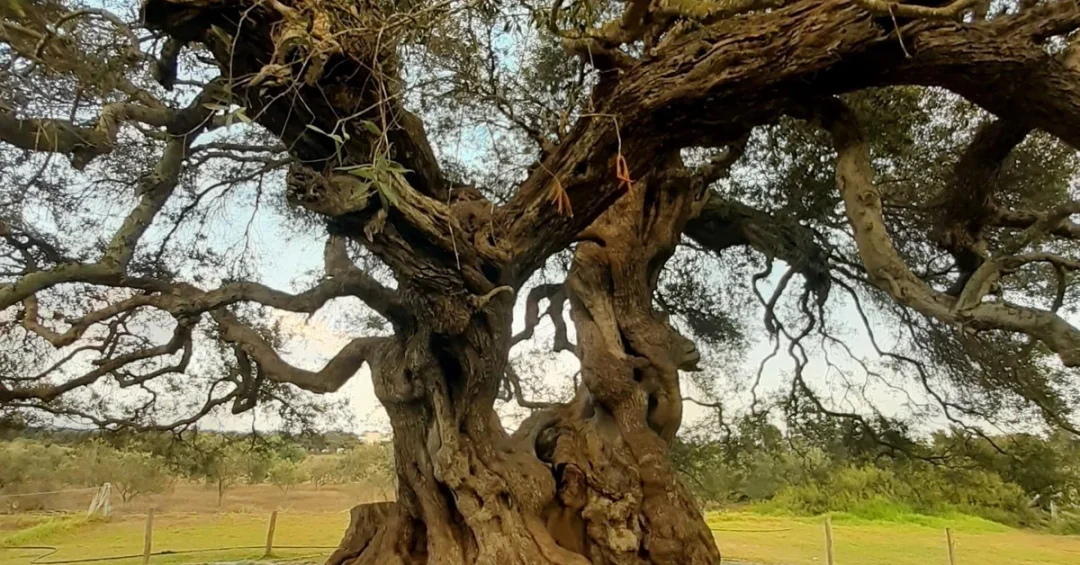
A majestic olive tree in the northern Tunisian town of Echraf, El Haouaria, has been officially recognized as Africa’s oldest olive tree by the Tunisian Olive Institute, dating back to the Phoenician era. Covering an impressive 220 square meters and standing ten meters tall, the tree’s roots delve 21 meters underground, and its branches spread an astonishing 12 meters, making it a living monument to the region’s ancient agricultural heritage.
Context and Background
The Echraf olive tree surpasses the previously recognized oldest tree, the 900-year-old Akkarit olive tree in southern Tunisia, according to a report by the Saudi Press Agency. This recognition highlights Tunisia’s deep-rooted history in olive cultivation, a tradition that spans millennia and remains central to the country’s cultural and economic identity. The tree’s age, estimated at over 2,000 years, connects it to the Phoenician civilization, which introduced olive farming to the Mediterranean basin.
Key Details
Despite its ancient age, the Echraf tree continues to produce olives, though yields have declined due to drought and climate change. Residents report that its olive oil has a unique almond-like flavor. Production has dropped sharply, from around 600 kilograms of oil 15 years ago to just 250 kilograms last year. In some years, the tree yields no olives at all. The Tunisian Olive Institute has documented these trends, underscoring the challenges facing traditional agriculture in the region.
Implications and Impact
The recognition of the Echraf olive tree as Africa’s oldest underscores the importance of preserving ancient agricultural heritage amid modern environmental pressures. The tree’s declining production due to drought and climate change serves as a call for sustainable farming practices and international cooperation. Such landmarks also promote eco-tourism, attracting visitors interested in history and nature, which can boost local economies and raise awareness about climate resilience.
Vision 2030 Alignment
This story of preservation and heritage aligns with Saudi Arabia’s Vision 2030, which emphasizes sustainability, cultural preservation, and agricultural innovation. By celebrating such natural treasures, the Kingdom supports regional efforts to protect ancient resources and promote responsible tourism. As Saudi Arabia leads in green initiatives and heritage conservation, initiatives like recognizing Africa’s oldest olive tree inspire global action toward environmental stewardship and sustainable development.
20 Questions
Q1. What is the name of Africa’s oldest olive tree?
A1. The Echraf olive tree, located in the northern Tunisian town of Echraf in El Haouaria, holds the title of Africa’s oldest olive tree according to the Tunisian Olive Institute.
Q2. How old is the Echraf olive tree?
A2. The tree is believed to date back to the Phoenician era, making it over 2,000 years old, surpassing the 900-year-old Akkarit olive tree in southern Tunisia.
Q3. Which organization officially recognized the tree as the oldest?
A3. The Tunisian Olive Institute officially recognized the Echraf olive tree as the continent’s oldest olive tree, based on its age and size.
Q4. How large is the Echraf olive tree?
A4. The tree covers an area of 220 square meters, stands ten meters tall, has roots extending 21 meters underground, and branches spreading 12 meters wide.
Q5. Does the tree still produce olives?
A5. Yes, despite its age, the tree continues to produce olives, though in declining quantities due to drought and climate change.
Q6. What is unique about the oil from this tree?
A6. Residents say the olive oil from the Echraf tree has a distinct almond-like flavor, setting it apart from other olive oils in the region.
Q7. How has olive production from the tree changed over time?
A7. Production has plummeted from approximately 600 kilograms of oil 15 years ago to just 250 kilograms last year, with some years yielding no olives at all.
Q8. What factors are causing the decline in olive production?
A8. Drought and climate change are the primary factors causing the decline in olive production from the Echraf tree.
Q9. Where is the Echraf olive tree located?
A9. The tree is located in the northern Tunisian town of Echraf in El Haouaria, a region known for its natural beauty and agricultural history.
Q10. What historical era does the tree date back to?
A10. The tree dates back to the Phoenician era, connecting it to ancient civilizations that introduced olive cultivation to the Mediterranean.
Q11. How does this tree compare to other old olive trees in Africa?
A11. It surpasses the 900-year-old Akkarit olive tree in southern Tunisia, making it the continent’s oldest known olive tree.
Q12. Who reported on the recognition of the Echraf olive tree?
A12. The Saudi Press Agency (SPA) reported on the recognition of the Echraf olive tree as Africa’s oldest based on official information.
Q13. What is the significance of the Phoenician era for olive cultivation?
A13. The Phoenicians were instrumental in spreading olive farming across the Mediterranean, and this tree stands as a living legacy of their agricultural practices.
Q14. How does the tree’s recognition promote tourism?
A14. The tree’s status as Africa’s oldest can attract eco-tourists and history enthusiasts, boosting local tourism and economic opportunities in El Haouaria.
Q15. What environmental challenges does the tree face?
A15. The tree faces challenges from drought and climate change, which reduce its olive yield and threaten its long-term health.
Q16. How does this story relate to Saudi Arabia’s Vision 2030?
A16. It aligns with Vision 2030’s goals of sustainability, cultural preservation, and agricultural innovation, promoting heritage conservation and climate action.
Q17. What role does the Tunisian Olive Institute play?
A17. The Tunisian Olive Institute officially certified the tree’s age and status, highlighting its expertise in agricultural heritage documentation.
Q18. Can visitors see the Echraf olive tree?
A18. Yes, the tree is located in a public area in Echraf, making it accessible to visitors interested in history and natural landmarks.
Q19. What is the tree’s height in meters?
A19. The tree stands ten meters tall, with a branch spread of 12 meters and root depth of 21 meters underground.
Q20. How does the tree symbolize resilience?
A20. Despite being over 2,000 years old and facing climate challenges, the tree continues to produce olives, showcasing nature’s endurance and the importance of preservation.
Reader Feedback
We value your thoughts. Please share your feedback on this article.
Your feedback helps us improve our coverage.