


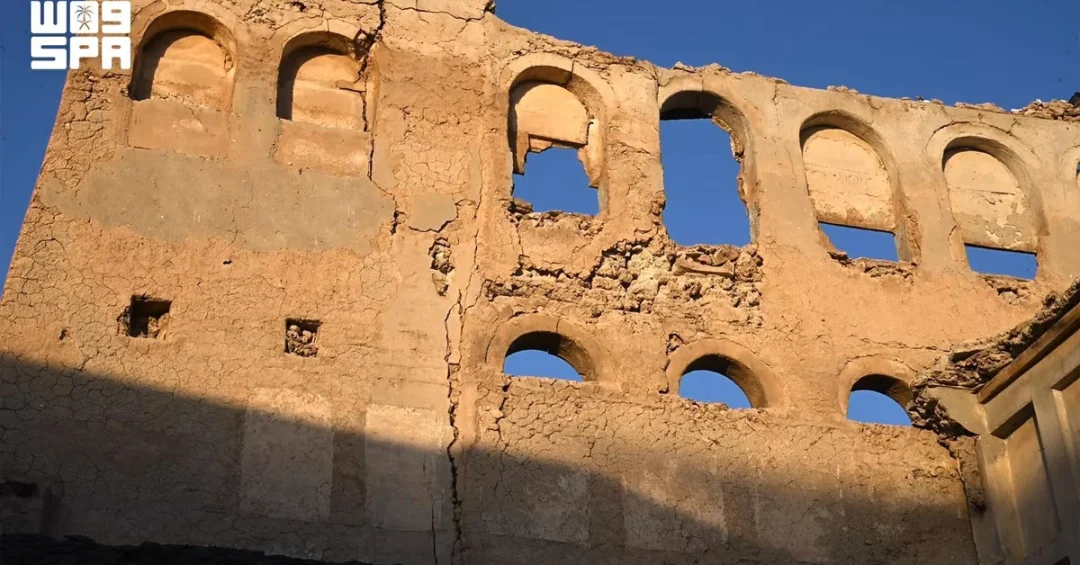
Al Qatif Oasis, a historic gem in Saudi Arabia’s Eastern Province, continues to captivate visitors with its traditional architecture that blends coastal and agricultural influences. The oasis stands as a testament to the region’s rich heritage, showcasing sustainable design principles and a unique dual identity shaped by centuries of trade and cultural exchange.
Context and Background
Historically, Al Qatif served as a vital hub for commercial and maritime trade, connecting caravans across the Arabian Peninsula. The oasis’ architecture reflects this legacy, with master builders achieving a remarkable balance between locally sourced materials and climate adaptation. Today, these structures remain enduring landmarks, preserving the story of a civilization while coexisting with modern urban development.
Key Details
Local heritage researcher Mohammed Almusaly highlighted the innovative use of materials like limestone and coral stones from the Arabian Gulf, which provided natural thermal insulation. Sticky clay from freshwater springs was used as flexible mortar, while gypsum and lime plaster coatings reflected sunlight and repelled insects. Builders also incorporated woven Haseer textiles for dust insulation beneath ceilings.
Implications and Impact
Al Qatif’s architecture offers valuable insights into sustainable building practices that harmonize with the environment. The oasis’ preservation efforts contribute to Saudi Arabia’s cultural tourism sector, attracting visitors interested in heritage and traditional craftsmanship. This aligns with global trends toward eco-conscious design and adaptive reuse of historic structures.
Vision 2030 Alignment
The preservation of Al Qatif’s architectural heritage supports Saudi Vision 2030 goals of cultural preservation and sustainable tourism development. By maintaining these historic structures, Saudi Arabia reinforces its commitment to protecting national identity while creating new economic opportunities through heritage tourism and cultural exchange.
20 Questions
Q1. Where is Al Qatif Oasis located?
A1. Al Qatif Oasis is situated in Saudi Arabia’s Eastern Province, near the coast of the Arabian Gulf.
Q2. What makes Al Qatif’s architecture unique?
A2. It uniquely blends coastal and agricultural influences using locally sourced materials adapted to the climate.
Q3. What historical role did Al Qatif play?
A3. It served as a vital center for commercial and maritime trade across the Arabian Peninsula.
Q4. What materials were used in construction?
A4. Builders used coral stones, limestone, clay, gypsum, lime plaster, palm trunks, and woven textiles.
Q5. How did coral stones provide insulation?
A5. Their porous nature absorbed daytime humidity and released cool vapor at night naturally.
Q6. What was the purpose of clay mortar?
A6. Flexible clay mortar withstood ground movement and weather changes without cracking.
Q7. Why were walls coated with gypsum?
A7. The bright white finish reflected sunlight and kept interiors insect-free.
Q8. What was Haseer textile used for?
A8. Woven Haseer prevented dust from falling through ceilings into rooms below.
Q9. How does the architecture reflect sustainability?
A9. It demonstrates passive cooling and use of locally available, eco-friendly materials.
Q10. What is the dual identity mentioned?
A10. It refers to the blend of coastal and agricultural influences in design and materials.
Q11. How are modern developments affecting the oasis?
A11. Historic structures are being preserved amid urban development, maintaining cultural continuity.
Q12. What can visitors see at Al Qatif today?
A12. Visitors can explore traditional buildings with distinctive structural forms and decorative details.
Q13. Who is Mohammed Almusaly?
A13. A local heritage researcher who has documented the oasis’ architectural techniques.
Q14. Where were coral stones sourced from?
A14. From the Arabian Gulf seabed and shallow coastal waters near Al Qatif.
Q15. Why is lime plaster effective in this climate?
A15. Its reflective properties and insect-repelling qualities suit the hot coastal environment.
Q16. How does the architecture adapt to humidity?
A16. Materials like coral stones naturally regulate moisture through absorption and release.
Q17. What makes these buildings earthquake-resistant?
A17. Flexible clay mortar allows structures to withstand ground movement without damage.
Q18. How does this heritage benefit Saudi Arabia?
A18. It preserves cultural identity while supporting tourism and sustainable design knowledge.
Q19. Are there preservation efforts underway?
A19. Yes, the structures are being maintained as important cultural landmarks.
Q20. How does this align with Vision 2030?
A20. It supports cultural preservation and sustainable tourism development goals.
Reader Feedback
We value your thoughts. Please share your feedback on this article.
Your feedback helps us improve our coverage.